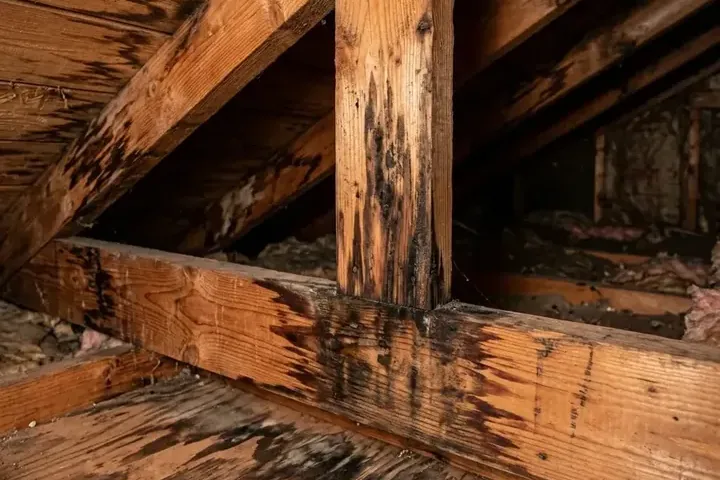
Roofs rarely fail during a light shower. They fail when rain keeps coming for days and every weak spot gets tested. The November 2024 atmospheric river put more than 4.5 inches of rain on the Tiburon Peninsula over several days, and this article explains how to spot the damage after a storm like that and how wet ceilings are dried.
Key takeaways
- More than 4.5 inches of rain fell on the peninsula over several days in the November 2024 atmospheric river.
- The National Weather Service said the North Bay would see more than a month's worth of rain in 3 to 4 days.
- Ceiling stains, damp insulation and drips near light fixtures are common first signs.
- Protect belongings and keep power off near wet ceilings.
- Wet insulation and drywall need removal or drying; painting over a stain does not fix it.
What the November 2024 storm did
In the November 2024 atmospheric river, more than 4.5 inches of rain fell on the Tiburon Peninsula over several days. The National Weather Service said the North Bay would see more than a month's worth of rain in 3 to 4 days, with possible small creek and stream flooding.
In that storm 1,017 peninsula customers lost power, including lower Main Street and Old Tiburon. Days of steady rain with wind put long stress on roofs, flashing and gutters.
A roof under a long storm faces more than rain. Wind drives water sideways under shingles and into joints that stay dry in ordinary weather.
The peninsula reaches into San Francisco Bay and Richardson Bay surrounds much of the town, so exposed homes can take weather from several directions.
Signs of a roof leak inside the house
Water often travels along rafters or insulation before it shows up. The stain may be well away from the actual hole.
Look in the days after the storm, not just during it.
Check closets and the corners of upper rooms, where a stain tends to sit unnoticed. A flashlight held at an angle across a ceiling shows slight sagging or bubbling.
If power went out during the storm, check ceilings once it returns, in case water settled during the outage.
- Brown or yellow rings on a ceiling that spread after rain
- Paint that bubbles, peels or feels soft
- Drips around a light fixture, vent or skylight
- A damp smell in a closet or upper hallway
- Damp insulation if an attic can be viewed safely
Protecting the room until repairs happen
A leaking roof cannot be fixed in the rain, so the goal is limiting the spread inside. Treat a bulging ceiling as dangerous because it can release a lot of water at once.
The roof leak water damage page describes how the source is traced after the weather clears.
Moisture can ride along a rafter for a long distance before it drops onto a ceiling. A stain over the bed may start at a vent pipe or a chimney far across the roof.
Tracing takes patience. The team uses moisture meters and, where possible, thermal imaging to follow the wet path back to its source.
Immediate steps
- Move furniture and electronics away from the stain.
- Place a bucket under any drip and a towel around it.
- Turn off the breaker for lights and fans on that ceiling.
- Photograph the stain with a coin or ruler for scale.
What to avoid
Do not climb onto a wet or steep roof to look for the leak. Do not poke a hole in a bulging ceiling without the drying team nearby, since wiring may be above it.
Town advice that helps before the next storm
The town advises cleaning out ditches, drains and gutters so water flows away from the structure. It also warns homeowners to check for land movement, retaining wall failure and drainage ditch or downspout problems.
Residents report drainage failure and significant flooding to the Tiburon Police Department, and the town's AlertMarin system sends emergency notifications. Sand and sandbags are set out at the Blackie's Pasture and Teather Park parking lots.
Construction sites must use erosion control and winterization from October 15 through May 1. For a homeowner that period is a handy reminder to check the roof and drainage before the season starts.
Permanent backup generator installation may need extra permitting through the Tiburon Building Division, which is worth knowing for owners who plan for outages.
- Clear gutters and downspouts before the rainy season
- Check flashing around chimneys and vents
- Sign up for AlertMarin notices
- Keep drainage ditches free of leaves and debris
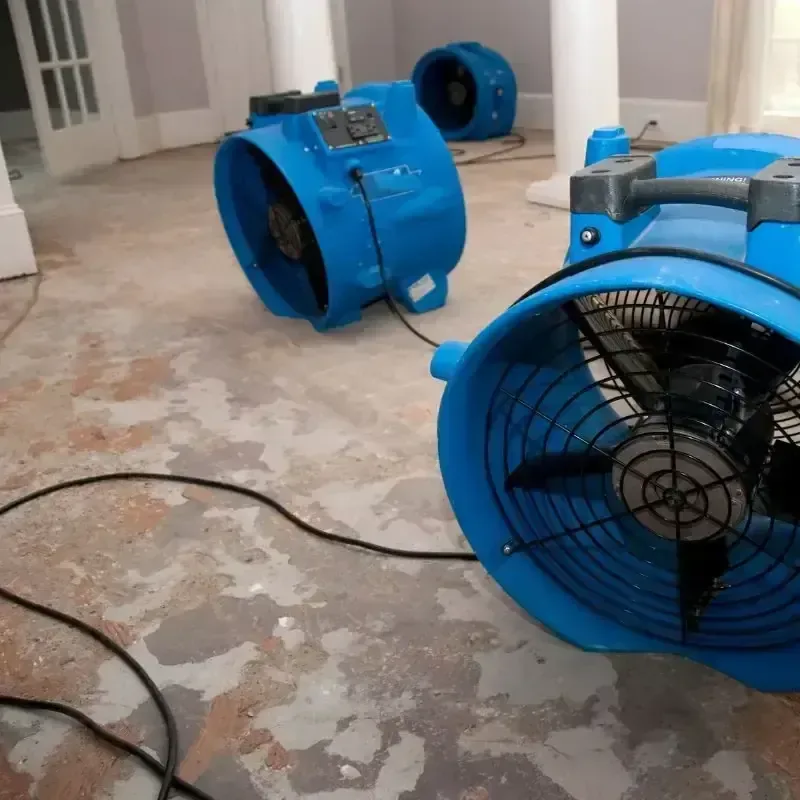
How wet ceilings and insulation are dried
Once the weather clears, the drying team measures moisture in the ceiling, walls and floors below. Drywall that sags or crumbles is removed, and soaked insulation is pulled because it holds water against framing.
The cavity is left open to air while drying equipment runs. Readings are repeated until the wood framing and remaining drywall return to normal levels.
Damp material left sealed in a ceiling can grow mold, which is why the checks matter more than how the surface looks.
The upper floors of a house often show a leak first, but water can travel down walls into rooms below. The team checks each level, not just the room with the stain.
After the structure is dry, insulation is replaced and the ceiling is repaired. A good order is to fix the roof first, dry the structure second and rebuild last, so new work is not soaked again.
Homes near the water also face salt air and wind, which can wear flashing and sealants. Roofers can advise on that, while the restoration side focuses on the interior.
When rain and drainage both cause problems
A big storm can bring a roof leak and ground water at the same time. If water also enters at doors or low rooms, storm and flood cleanup covers the contaminated water side.
The hub page lists both services, so an owner can match each problem to the right page.
Records worth keeping after a storm
Photos taken during and after the storm help show when the damage started. Record the date, the weather and the rooms involved.
Keep notes on any temporary measures taken, such as a tarp or buckets, along with receipts for materials.
- Dated photos of every stain and drip
- A note of when rain started and stopped
- Receipts for tarps, buckets and emergency supplies
- Names and dates for any contractor visits
- A list of belongings that got wet
Questions
How can I tell if a ceiling stain is from the roof?
A stain that grows after rain and shows up near the top floor or exterior walls usually points to the roof.
Should I wait for the rain to stop before calling someone?
Protecting the room can start right away. A repair to the roof itself generally waits for safe conditions.
What happens to wet insulation?
It is usually removed because it holds water against the framing and dries slowly.
Can I paint over the stain once it stops dripping?
Paint covers the stain but not the water inside. The ceiling needs to be dried first.
Who do I tell about drainage failure or flooding in town?
Residents report drainage failure and significant flooding to the Tiburon Police Department.