Water Damage Restoration San Pablo, CA
Water damage in San Pablo can start with a winter storm, a burst pipe or a failed appliance. The restoration team pulls out standing water, dries wet framing and floors, and documents the loss for your insurance claim.
(888) 774-9605Speak to a drying specialist now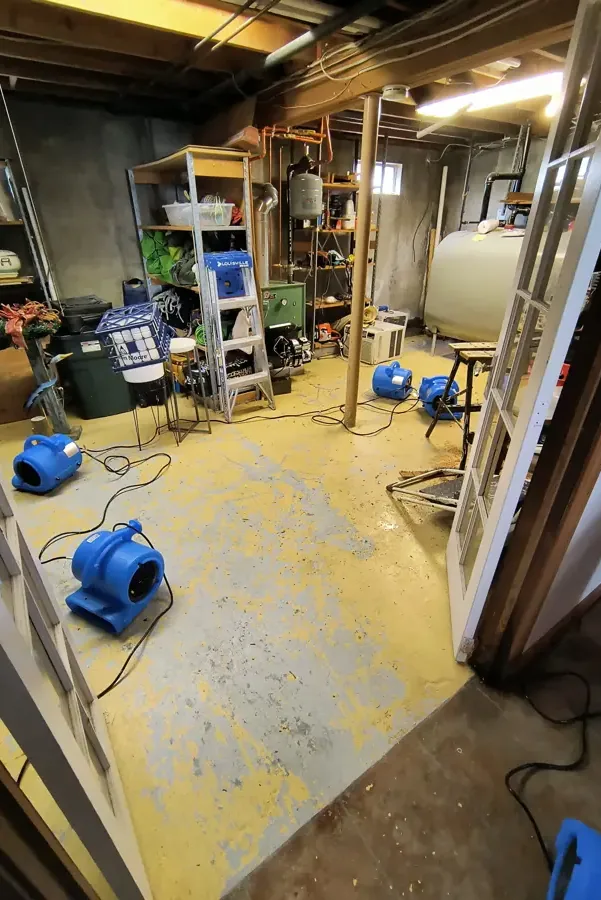
What puts local homes at risk of water damage
San Pablo is a dense enclave city in Contra Costa County, with about 12,243.5 people per square mile. When water gets loose in one home, the neighbors often feel it too, so quick action matters.
Creek floodplains
FEMA mapped 100-year floodplains run mainly along San Pablo Creek and Wildcat Creek, and along Rheem Creek on the west side, so low spots can collect storm runoff.
Flood zone labels
Special Flood Hazard Areas here carry Zone A, Zone AE and Zone AO labels, and a federally regulated lender can require flood insurance inside them.
Wet season rain
About 90 percent of Contra Costa County rainfall arrives from November to April, so roof, ceiling and ground water problems cluster in those months.
Atmospheric rivers
The National Weather Service lists a historic Bay Area atmospheric river on October 24-25, 2021 and another series from late December 2022 to mid January 2023.
Water main breaks
East Bay Municipal Utility District crews respond when mains fail, but water that has already entered a home still needs extraction and drying.
Sewer backups
West County Wastewater runs the public sanitary sewer in the city and Tara Hills, yet a backup inside a home is a contamination job that needs trained cleanup.
Close neighbors
With so many homes and units close together, a leak from an appliance, water heater or toilet can reach next door before anyone notices.
July 7, 2024
A large water main broke along Kevin Road and Tara Hills Drive in Tara Hills, damaged five homes and buckled nearby roads.
Water Damage Restoration Services in San Pablo, CA
Each type of loss needs its own method, so the work is split by cause, from emergency extraction to commercial dry-outs in shops and offices.
Water Extraction and Removal
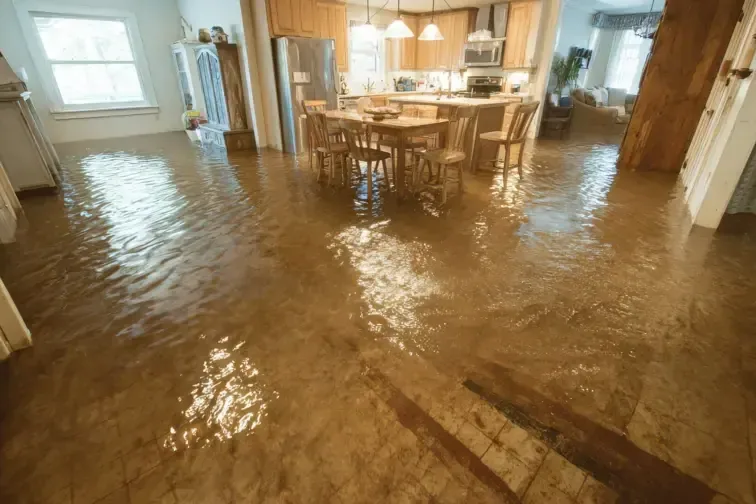
Pumps and extractors remove standing water from floors and carpet quickly, before it wicks into baseboards, cabinets and the framing behind them.
See how it is handled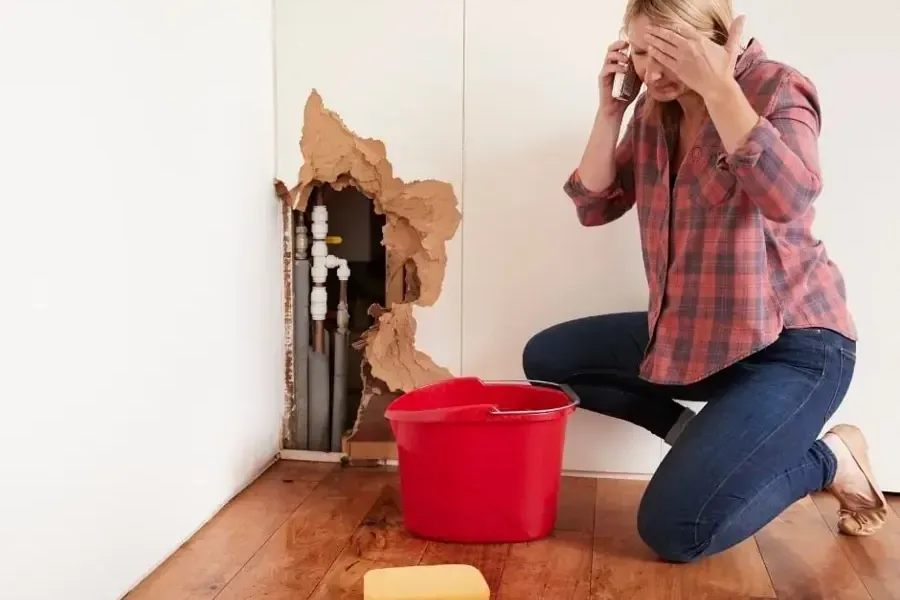
Burst Pipe Water Damage
A split supply pipe can soak walls, ceilings and floors fast, so the shutoff, extraction and opening of wet cavities all come first.
See how it is handled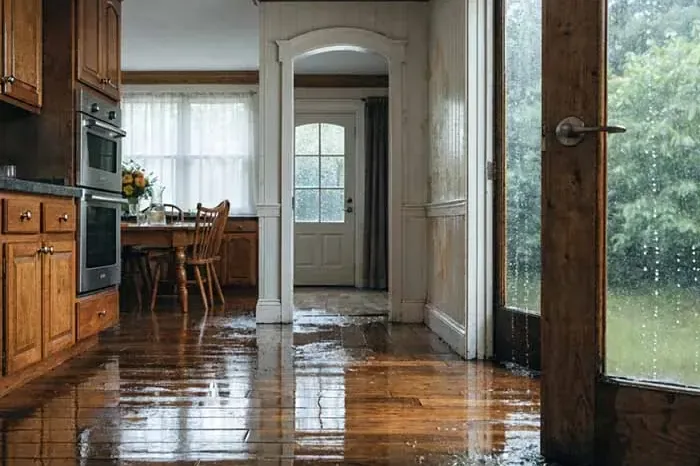
Slab Leak Water Damage
Hidden water under the floor can lift flooring and keep concrete damp. Leak detection, extraction and drying are planned around the cause.
See how it is handled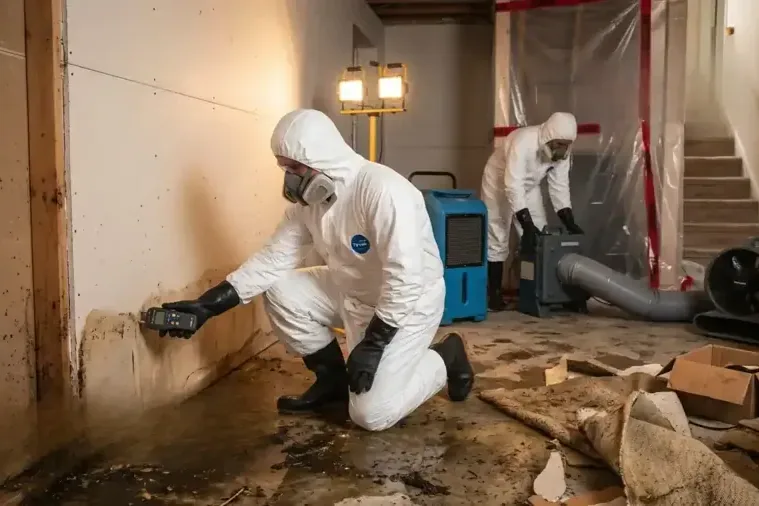
Sewage Backup Cleanup
Backed-up drains bring contaminated water indoors. Crews in protective gear remove it, clean affected surfaces and dry the space under containment.
See how it is handled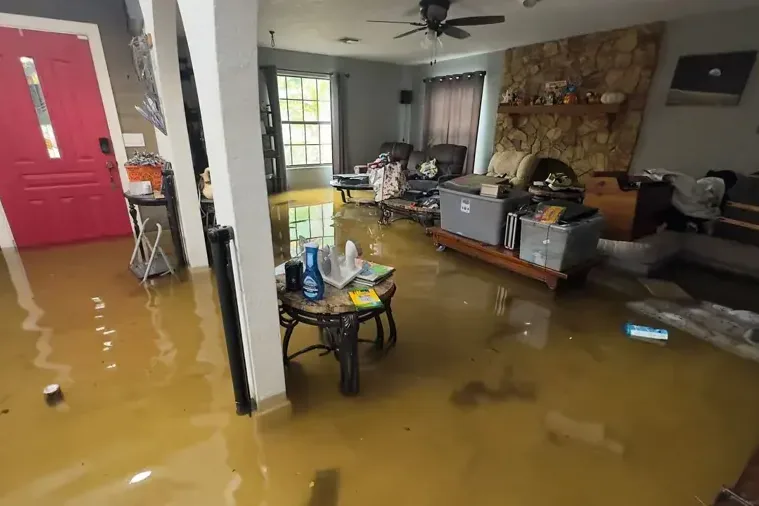
Storm and Flood Water Cleanup
Heavy rain and creek overflow can push water into garages, lower levels and ground floor rooms, where it needs extraction and thorough cleaning.
See how it is handled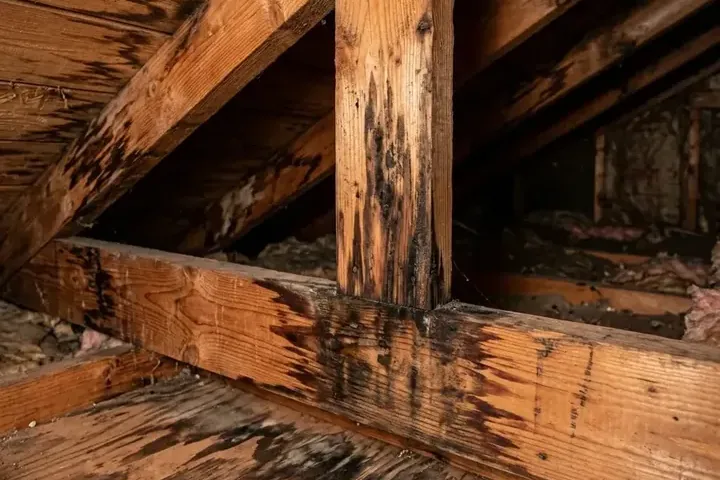
Roof Leak Water Damage
Roof leaks soak attic insulation and decking long before a stain shows. The work covers ceiling water, wet insulation and drying the structure.
See how it is handled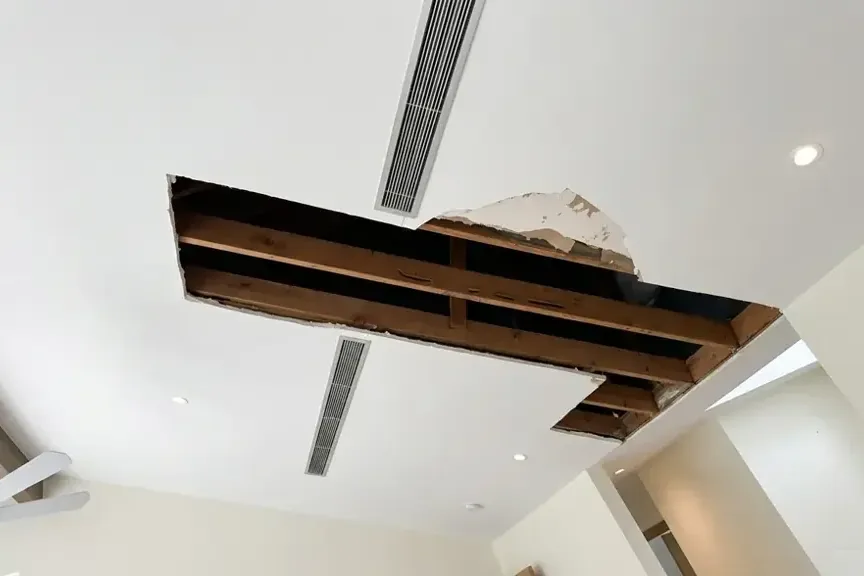
Ceiling Leak Water Damage
A stained or sagging ceiling signals water above. Wet drywall and insulation come down where needed, and the cavity is dried.
See how it is handled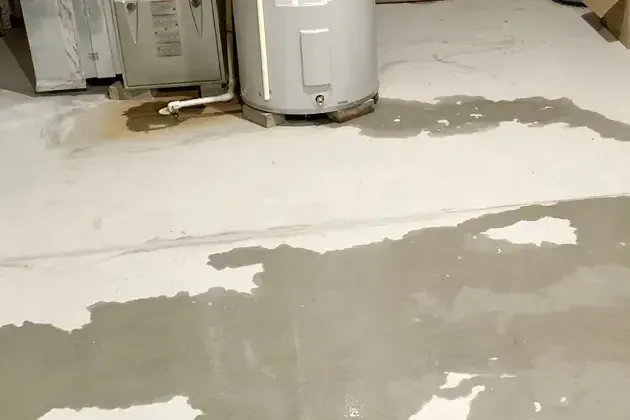
Water Heater Leak Cleanup
A failed tank can spill a full load of water across a closet, garage or hall. Extraction and targeted drying follow quickly.
See how it is handled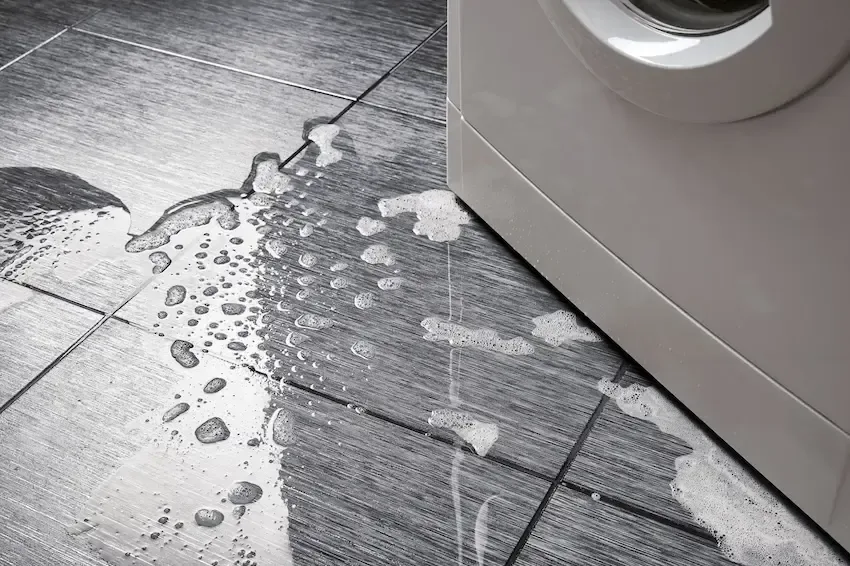
Appliance Leak Water Damage
Washers, dishwashers and refrigerator supply hoses leak under cabinets and floors. Moisture mapping finds how far the water traveled.
See how it is handled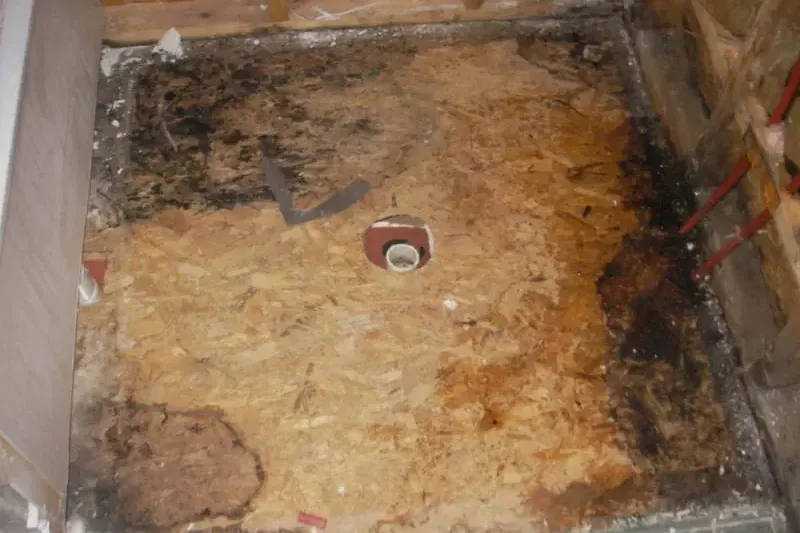
Toilet Overflow Cleanup
Overflow water from a toilet counts as contaminated, so cleanup includes extraction, disinfecting and drying of floors and subfloors.
See how it is handled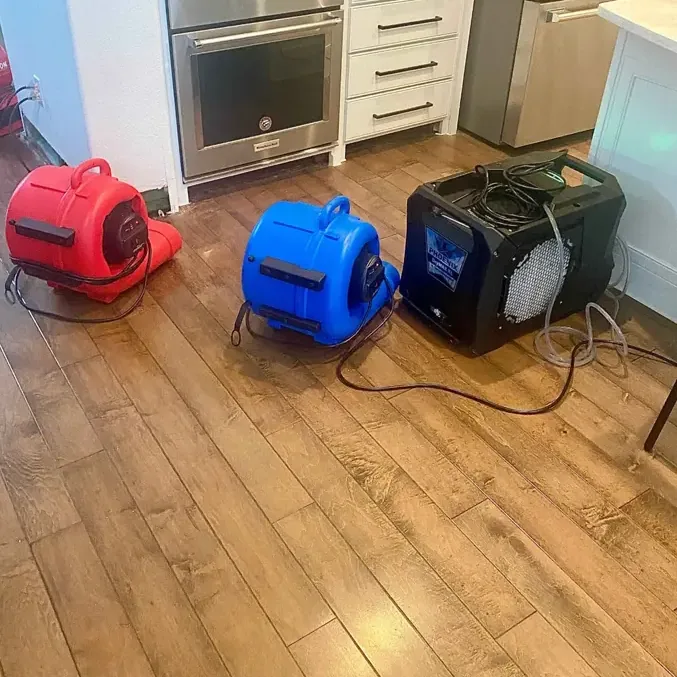
Structural Drying and Dehumidification
Air movers and dehumidifiers dry framing, subfloors and walls, with readings logged until materials reach their dry goals.
See how it is handled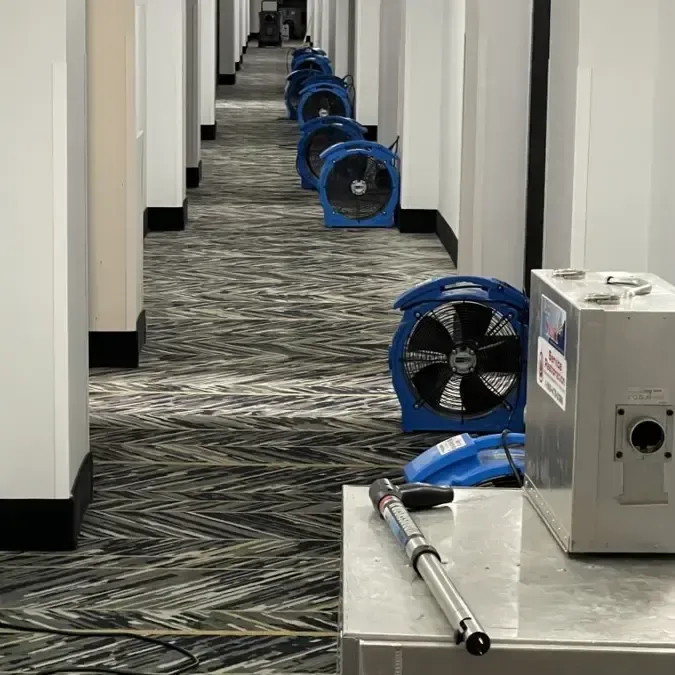
Commercial Water Damage
Shops and offices along the avenue need drying plans that limit downtime, protect inventory and document losses for adjusters.
See how it is handledWhat to do while the water is still spreading
A few quick actions limit the damage before the crew arrives and make the claim easier later.
- 1
Stop the source
Shut off the water at the main valve or the fixture valve. If the source is a sewer drain or a storm, keep clear of the water.
- 2
Cut power safely
Turn off breakers to wet rooms if you can reach the panel dry. Never step into standing water near outlets or appliances.
- 3
Photograph everything
Take clear photos and short videos of the water, damaged belongings and the source before anything is moved.
- 4
Lift what you can
Move small furniture, rugs and electronics to dry ground, and leave heavy items for the crew.
- 5
Make the call
Describe the source and the rooms affected so the crew can bring the right extraction and drying equipment.
What the first conversation covers
The restoration team asks where the water started, what it touched and whether anyone is at risk, then plans the equipment for the job.
(888) 774-9605Describe the damage to a proWhat a water damage dry-out looks like in San Pablo
Assessment
The crew checks moisture in floors, walls and ceilings with meters and a thermal camera to map the wet area.
Water removal
Pumps and extractors pull standing and trapped water out of the structure.
Equipment setup
Air movers and dehumidifiers go in, and wet materials that cannot dry are removed.
Monitoring
Moisture readings are logged on each visit until every material reaches its dry goal.
Documentation
Photos, readings and equipment logs are compiled for the insurance adjuster.
Neighborhoods and corridors covered
Crews work across the city and the neighboring communities that share its mailing addresses.
ZIP codes
Whether the water is in a house, an apartment or a shop, one call starts the response and gets the right equipment sent to the address.
Areas and streets
Nearby towns
Reaching a crew for any address
Crews also handle commercial water damage and structural drying for local properties after storms or pipe failures.
☎ Browse all local servicesEquipment and methods used on water damage jobs
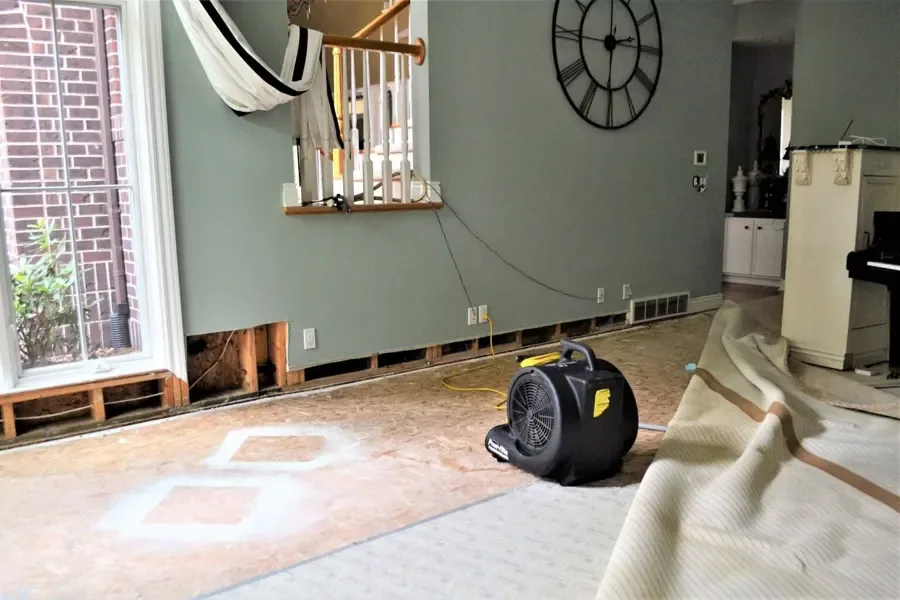
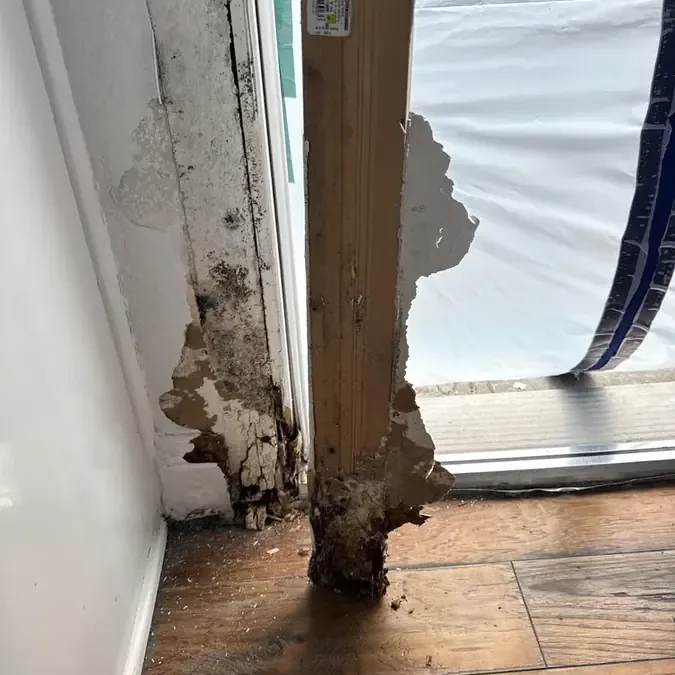
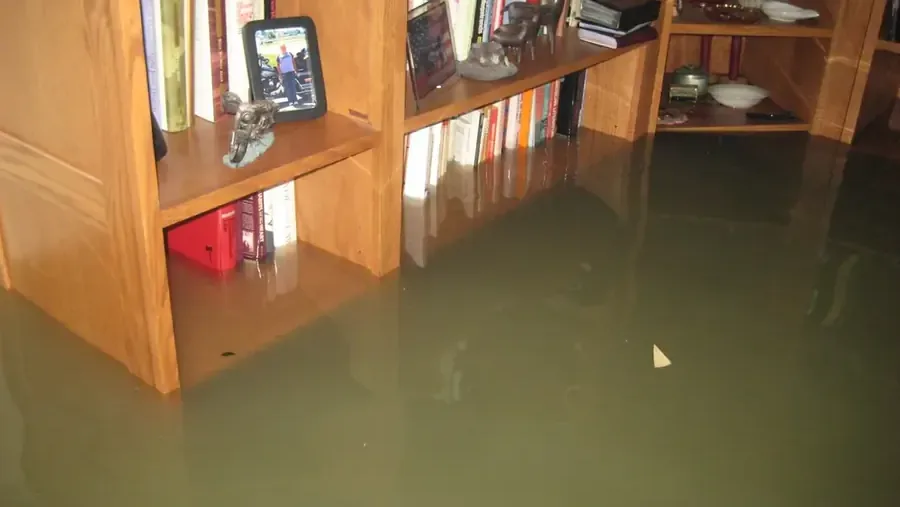
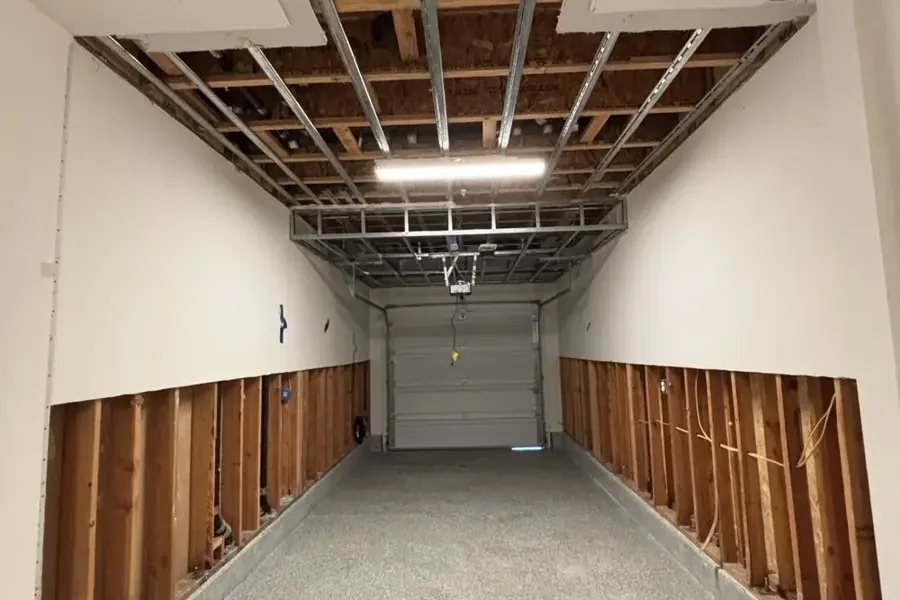
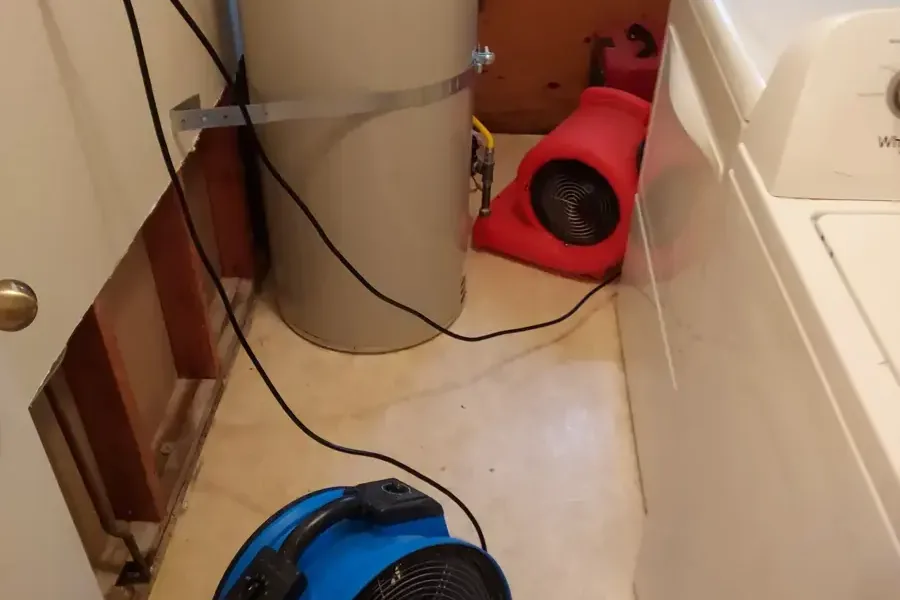
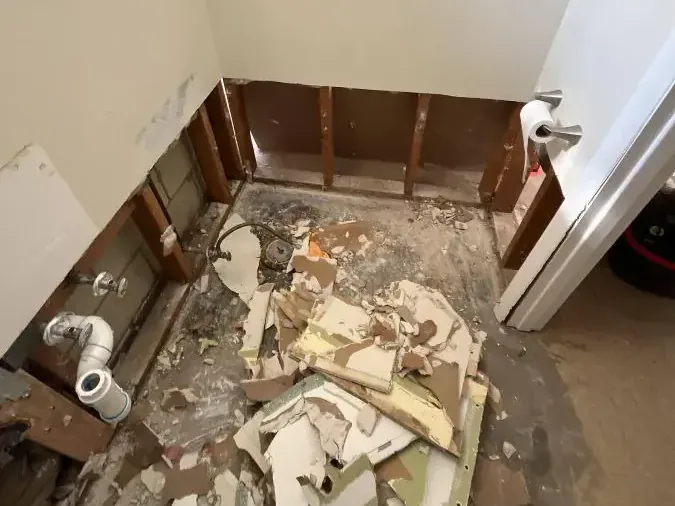
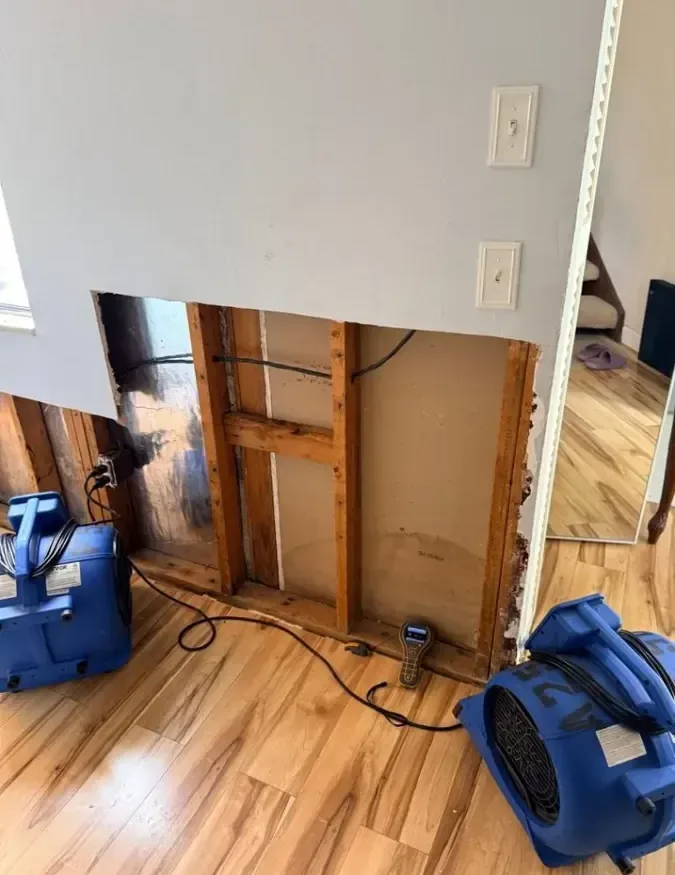
Typical conditions crews work through, from wall leaks to flooded halls and extraction gear.
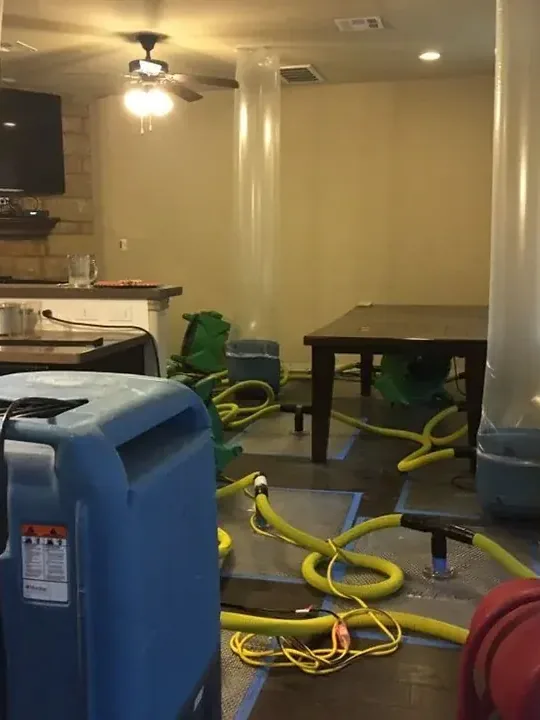
Water damage dried to the IICRC S500 standard
Classify the water
The loss is sorted by water category and drying class, which decides the equipment and the precautions needed.
Dry with measured goals
Moisture readings are compared with a dry reference in every affected room until framing and subfloors reach target levels.
Verify and document
Final readings and photos show the structure is dry and support the insurance claim file.
Rapid local response
Local crews understand the storm season here and keep drying equipment ready for the wet months from November to April.
IICRC S500 drying standard
Every dry-out follows the S500 steps for classifying water, setting equipment and logging moisture until materials are dry.
Claim-ready documentation
Moisture maps, photos and equipment logs are organized so an adjuster can follow the loss from first reading to final dry.
Local water experts
The team handles burst pipes, storm water, sewage and hidden leaks in homes, apartments and shops.
Why property owners choose local crews
The IICRC S500 is the industry standard for professional water damage restoration. It defines water categories and drying classes, and it sets the measurable goals that wet materials must reach before equipment comes out, so the result can be verified.
All water damage categories covered in San Pablo, CA
Clean water
Water from a supply pipe, tank or rain intrusion starts clean but worsens with time, so extraction should not wait.
Water extraction ›Gray water
Dishwashers and washing machines release used water with soap and debris that can irritate skin and spread.
Appliance leak water damage ›Black water
Sewage and floodwater carry bacteria, so affected porous materials come out and surfaces are cleaned and disinfected.
Sewage backup cleanup ›What does water damage restoration cost in San Pablo, CA?
Most local jobs fall between $1,000 and $25,000 depending on the source, the size of the wet area and the water category. Small jobs reported early stay near the low end.
Small and caught early
- One room affected
- Clean water source
- Quick extraction
Spread into walls and floors
- Several rooms wet
- Wall and floor drying
- Longer equipment stay
Large or contaminated loss
- Sewage or floodwater
- Several levels or units
- Materials removed and rebuilt
These ranges are typical, not quotes. The final price depends on the inspection, the water category and how long materials stayed wet before drying began.
Documentation for your insurance claim
Good records help an adjuster understand the loss, so the team gathers the same details on every job.
- Date, time and source of the loss
- Photos of the damage before cleanup
- Moisture readings for each affected room
- Equipment placement and drying logs
- Itemized list of removed or damaged materials
When you file it yourself
Read your policy for sudden pipe discharge, sewer backup and flood terms, since flood damage usually needs its own coverage.
Call your insurer early, send the photos you took, and ask for the adjuster visit before large repairs begin. Keep receipts for emergency work and any temporary housing.
Common water damage questions
How fast should water be removed after a leak?
As soon as it is safe. Wet drywall, insulation and flooring start to break down quickly, and mold growth can start in a day or two, so extraction and drying should begin right away.
What does water extraction involve in a typical home?
Pumps and portable or truck-mounted extractors remove standing water and water trapped in carpet, padding and flooring. Moisture meters then show where hidden water remains in walls and subfloors.
Does a storm in the wet season count as flood damage?
Rising water from the ground or a creek is flood, while rain through a roof is a different loss. Policies treat them differently, and about 90 percent of county rain falls from November to April.
Who handles a sewer backup?
West County Wastewater operates the public sanitary sewer in the city and Tara Hills and provides 24-hour emergency response. Cleanup inside a home is a contamination job for a restoration crew.
Can a neighbor's leak damage my unit?
Yes. With buildings so close together, water from a unit above or beside can travel through ceilings and walls. Report it to your manager and document everything.
Do crews handle shops and offices?
Yes. Commercial dry-outs follow the same standards, with plans meant to limit downtime and protect stock and records.
Is the work covered by insurance?
That is up to the insurer and the policy terms. Sudden pipe breaks are often covered while gradual leaks and flooding often are not. The team supplies documentation to support the claim.
What should I do before the crew arrives?
Shut off the water, turn off power to wet areas if it is safe, photograph everything and move small items away. Avoid walking through contaminated water.
Do I need to move out during the work?
Not always. Small, clean water losses can be dried while you stay, but sewage or a widespread loss can make rooms unsafe until cleanup is done.
Water in your home or shop? Start the recovery with a call now
Describe the damage and the crew explains what comes next, from extraction to documentation for your insurer.
(888) 774-9605Reach the restoration team