Sewage Backup Cleanup in San Pablo, CA
Sewage in a home is a contamination problem, not just a wet floor. The crew extracts it, removes soaked porous materials, cleans and disinfects surfaces, and then dries the space.
(888) 774-9605Get contaminated water removed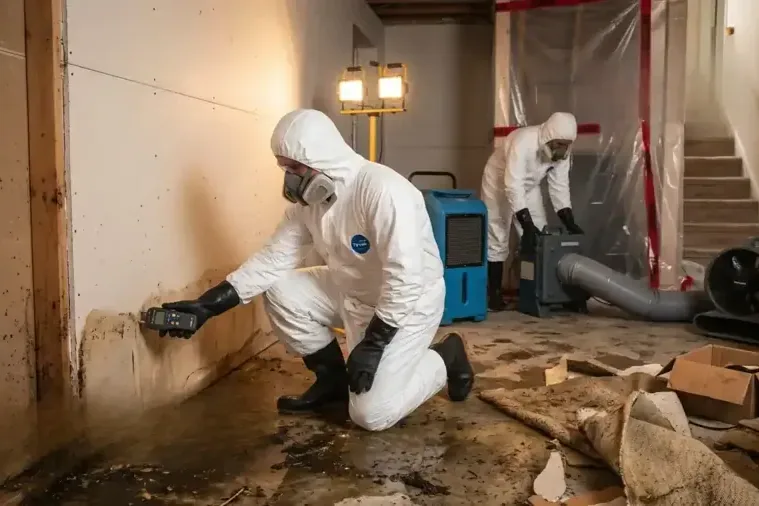
Sewage carries bacteria and other contaminants, so a backup is handled differently from clean water damage. West County Wastewater operates the public sanitary sewer in the city and Tara Hills and provides 24-hour emergency response, but once a backup has reached the inside of a home, the cleanup falls to a restoration crew with the right gear. Keep children and pets out of the affected rooms until the work is finished.
First steps for sewage backup cleanup right now
- Isolate the area. Plastic sheeting seals off the affected rooms so contamination does not reach clean spaces in the home.
- Remove the sewage. Pumps and extractors take out standing water, and soaked porous items are bagged for disposal.
- Clean and disinfect. Floors, walls and fixtures are scrubbed and treated with disinfectants approved for each surface.
- Dry the space. Air movers and dehumidifiers dry what remains, and readings confirm the room is ready for repairs.
How sewage backup cleanup is handled, start to finish
Safety assessment
The crew checks the source, sets protective barriers and decides which rooms are affected before any equipment is carried in.
Removal of sewage
Contaminated water is pumped out, then carpet, padding and other porous materials are cut out, bagged and carried away.
Cleaning and disinfecting
Hard surfaces and framing are scrubbed, treated and rinsed, with odor control used where the smell has soaked in.
Drying and clearance
Equipment dries the cleaned structure, and the crew records readings until the area is ready for repairs and rebuilding.
How a sewage cleanup is controlled
Plastic containment keeps the work area separate from clean rooms, and air movers are set so they do not blow contaminants around. Crews wear protective suits, gloves and respirators from the first minute of work.
- Standing sewage is pumped out and disposed of properly
- Soaked carpet, pad and drywall are cut out and bagged
- Hard surfaces are cleaned and then disinfected
- Air scrubbers and dehumidifiers dry the cleaned space
Porous materials such as carpet, insulation and unfinished wood cannot be made safe once sewage soaks them, which is why they are removed instead of dried and kept.
Common backup sources
Backups start in different places, and the source affects what has to be cleaned and how far the contamination went.
- A blocked main drain pushing water up through floor drains
- A toilet, tub or shower overflowing with drain water
- Heavy rain overwhelming sewer capacity
- A cleanout or fixture failing inside a building
The wet season, with about 90 percent of county rainfall arriving from November to April, is when many drains and sewers carry their heaviest loads. Contact a plumber or the sewer agency about the blockage itself while the cleanup crew handles the contaminated area.
Keep out until clean
Do not wade through sewage barefoot or run household fans or vacuums over it. Wash hands well and keep the water away from food areas.
Sewage on the floor or backing up through a drain needs protective gear and containment. Tell the crew what happened and which rooms are involved.
☎ Report the backupInsurance and sewage claims
Sewer backup is often excluded unless the policy carries a backup endorsement, so check before you file. Photograph the affected rooms, list discarded belongings and keep the plumber's report. Cleanup records from the crew support the claim. Related work includes toilet overflow cleanup and structural drying.
What does sewage backup cleanup cost in San Pablo, CA?
Sewage backup cleanup runs from $2,000 for one bathroom or drain to $30,000 for a shared stack or garage. The amount of porous material removed and the size of the area move the price.
One bathroom or drain
- One room only
- Short backup
- Surface cleaning
Several rooms
- Flooring removed
- Wall cuts needed
- Longer drying
Shared stack or garage
- Multiple units
- Heavy contamination
- Extended work
Ranges are typical, not a quote: the category of water, square footage, material class and how fast drying started move the number most. Run the water damage cost calculator for a closer range.
What a real dry-out involves here
Rapid local response
Dispatch runs 24/7, and active water in a condo, loft or office is treated as urgent at any hour, with extraction gear sized to the building.
IICRC S500 drying standard
Structural drying, not just surface drying: air movers and LGR dehumidifiers run to the evaporation load and stay until readings say dry.
Claim-ready documentation
Moisture maps, daily psychrometric logs and timestamped photos taken before any demolition go into one file for the adjuster and the HOA.
Emeryville water experts
Stacked units, older industrial shells, fill near the bayshore and tidal storm drains: the local restoration pros read how water moves here.
Sewage backup cleanup across San Pablo and nearby cities
Sewage backup jobs cover San Pablo and Tara Hills, the area West County Wastewater serves, along with Bayview and Montalvin addresses, the Civic Center area and the College Center area. The crew serves each of those areas.
The same service nearby: sewage backup cleanup in Emeryville, Berkeley, Tiburon.
Related water damage services nearby
Sewage Backup Cleanup questions in San Pablo, CA
Is sewage water dangerous to touch?
Yes. It can carry bacteria and viruses, so skin contact and splashes should be avoided. Crews wear protective gear, and residents should stay out of the affected area until cleanup is complete.
Can carpet be saved after a sewage backup?
Generally not. Carpet and padding absorb contaminated water and cannot be reliably cleaned, so they are removed. Some hard flooring can be saved after thorough cleaning and disinfecting.
Who repairs the sewer blockage?
Where the blockage sits decides who repairs it, and a plumber or the sewer agency can tell you. The cleanup crew only handles the contaminated area inside the building.
How long before the rooms are usable again?
It depends on the size of the loss. Small backups may be cleaned and dried in a few days, while larger ones need material removal and rebuilding first.
Will the smell go away?
Odor usually fades once contaminated materials are removed and surfaces are cleaned, dried and treated. A lingering smell means something wet or porous is still in place.
Does homeowners insurance cover sewage backup?
Only some policies do. A sewer backup endorsement is often needed, so read your policy and contact your insurer early. The crew supplies photos and logs for the adjuster.
Should I stay in the home during cleanup?
For a small, contained backup you may stay away from the affected rooms, but a large loss or anyone with health concerns should stay elsewhere until cleanup is finished.
Sewage backing up inside the home?
Say which drains or fixtures backed up and how far the water spread, and the response team will plan protective barriers and removal.
(888) 774-9605Plan the contamination cleanup