Water Damage Restoration Berkeley, CA
Around-the-clock water damage restoration for houses, in-law units, apartments and shops. The response team extracts the water, cuts out only what cannot be saved, dries every wet layer to the IICRC S500 goal and keeps a day-by-day record for the claim.
(888) 774-9605Help for houses and apartments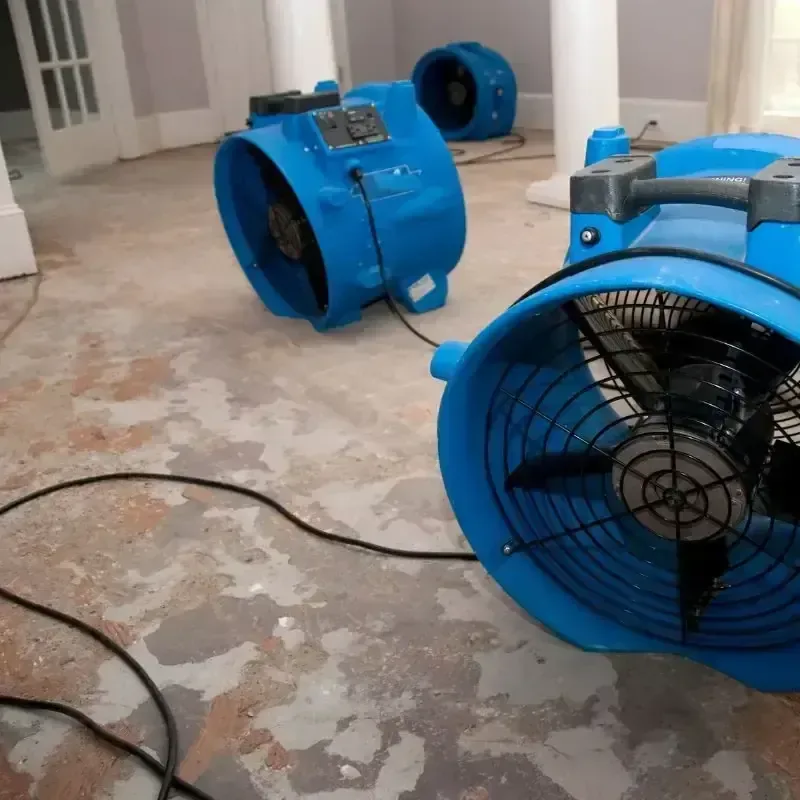
Water damage in Berkeley follows the hills, the flats and the rain
A city of detached houses, rear in-law units and apartment blocks, set between the Berkeley Hills and San Francisco Bay, where winter rain and an aging pipe system decide how water gets inside.
A wet winter
Rain averages 25.40 inches a year over about 63.7 days, and February is the wettest month at 5.21 inches on average.
Atmospheric rivers
On December 27, 2022, an atmospheric river dropped 1.77 inches in 24 hours, with National Weather Service flood advisories across the Bay Area.
Older mains in the flats
In August 2020, EBMUD described the distribution pipes behind a round of main breaks in the flat areas as brittle and older.
Main breaks on city streets
A July 2015 rupture flooded Parker Street near Regent Street, and Grant Street had a break between Delaware and Francisco in March 2016.
Units stacked and side by side
Apartment buildings are common, densest around the campus, and many houses have a separate rear unit, so one leak can reach two households.
Culverts that clog
In the December 1937 storm, nearly 3 inches of rain clogged 15 culverts, mostly in the west end, and flooded intersections.
Aging sewer collection
EBMUD provides wastewater service for 740,000 people and is replacing aging pipelines and sewage collection systems.
December 1937 storm
Some basements on the north side flooded and a landslide partly blocked Canyon Road as culverts in the west end backed up.
Water Damage Restoration Services in Berkeley, CA
Water and sewage work only, for a single bathroom, a whole house, a rear unit or an apartment floor, from first extraction to a verified dry reading.
Water Extraction and Removal
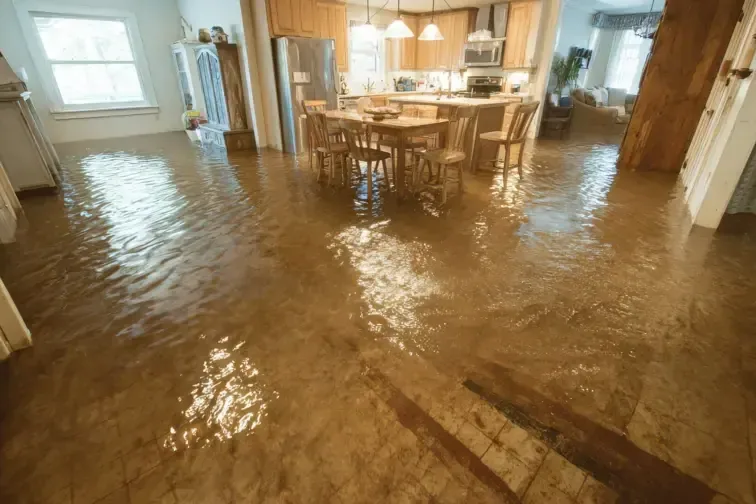
Standing water from a storm, a broken main or a split pipe is pulled out with truck-mounted or portable units before it reaches subfloors.
See how it is handled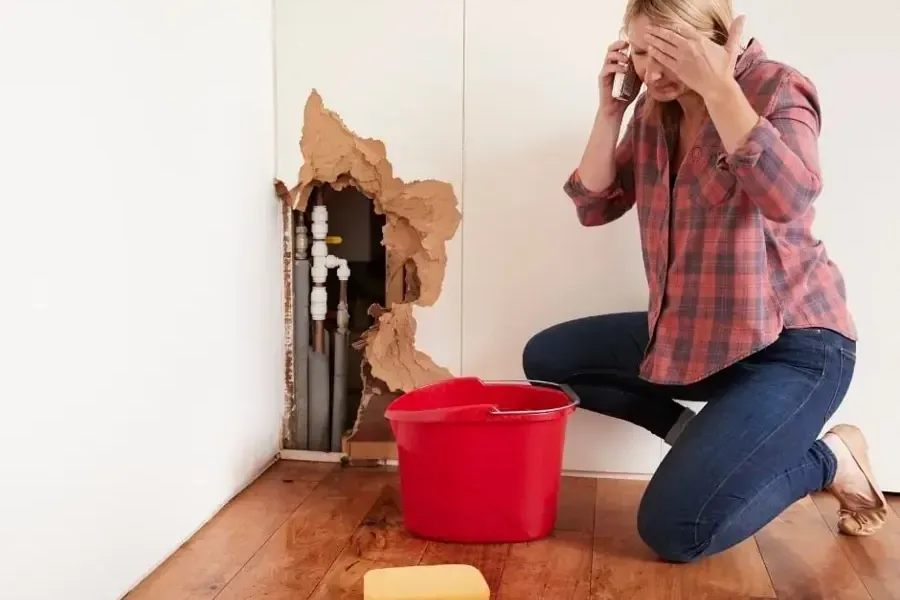
Burst Pipe Water Damage
Pressurized water inside a wall is stopped, the wet cavities are found with thermal imaging and dried without needless demolition.
See how it is handled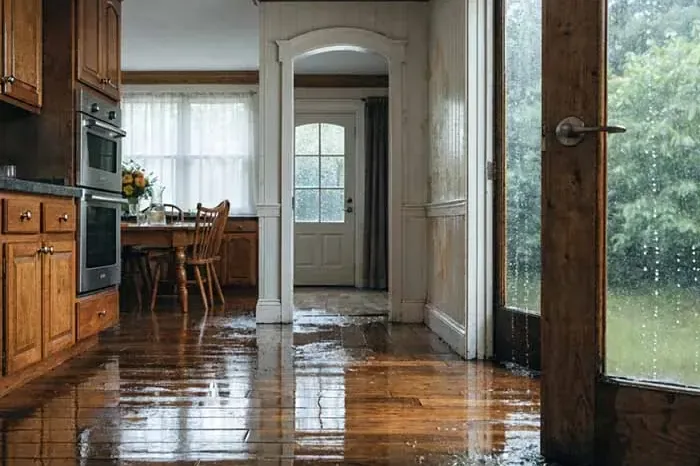
Slab Leak Water Damage
A leak in or under concrete shows as warm or damp flooring; the wet edge is mapped and the slab is dried to a reading.
See how it is handled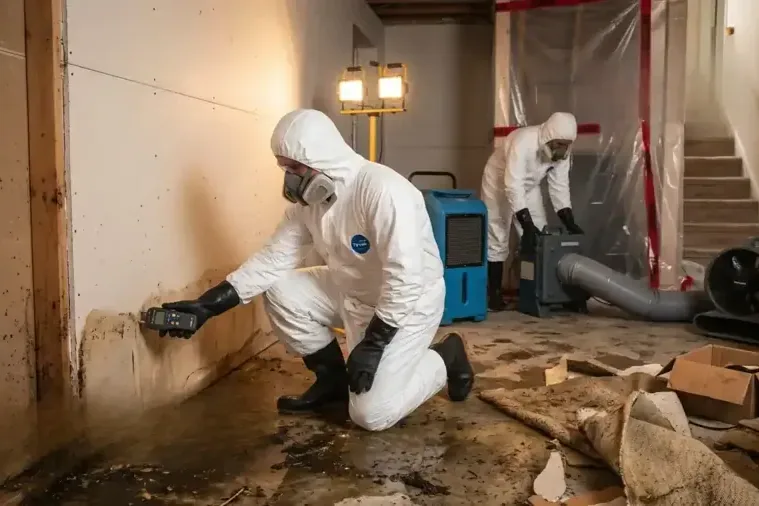
Sewage Backup Cleanup
Backups are Category 3 from the first minute, with containment, protective gear, removal of soaked materials and antimicrobial treatment.
See how it is handled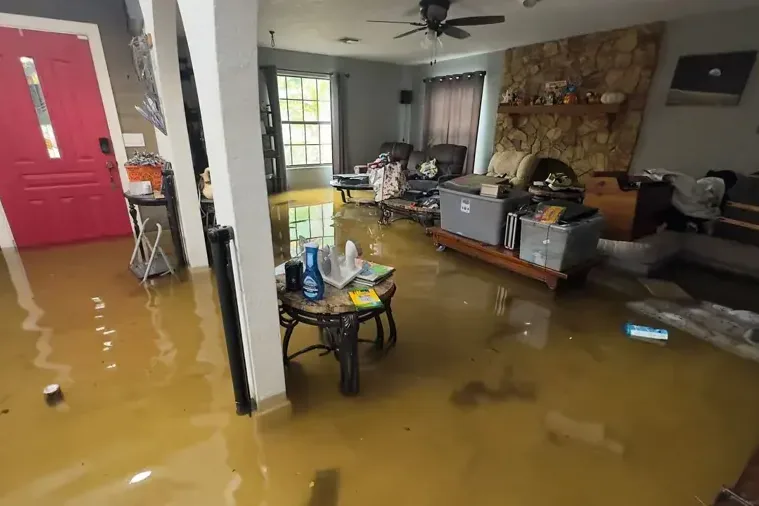
Storm and Flood Water Cleanup
Rain that enters from outside is extracted and cleaned as contaminated water, then the framing and floors are dried.
See how it is handled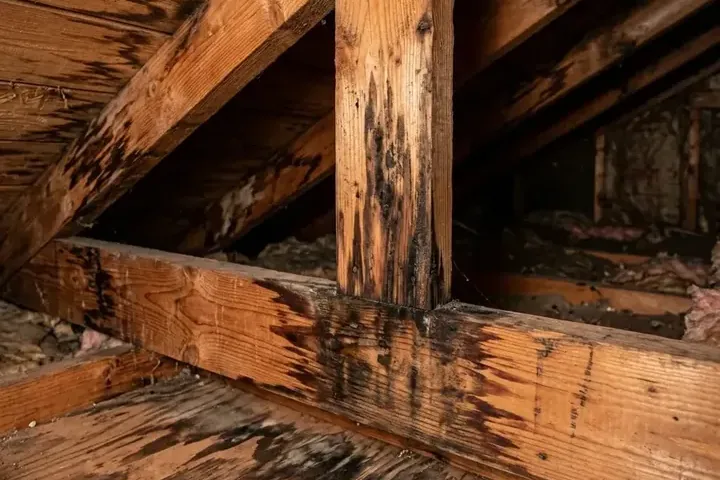
Roof Leak Water Damage
Rain through a roof wets attic insulation and ceilings; insulation comes out, the ceiling cavity is dried and the source is photographed.
See how it is handled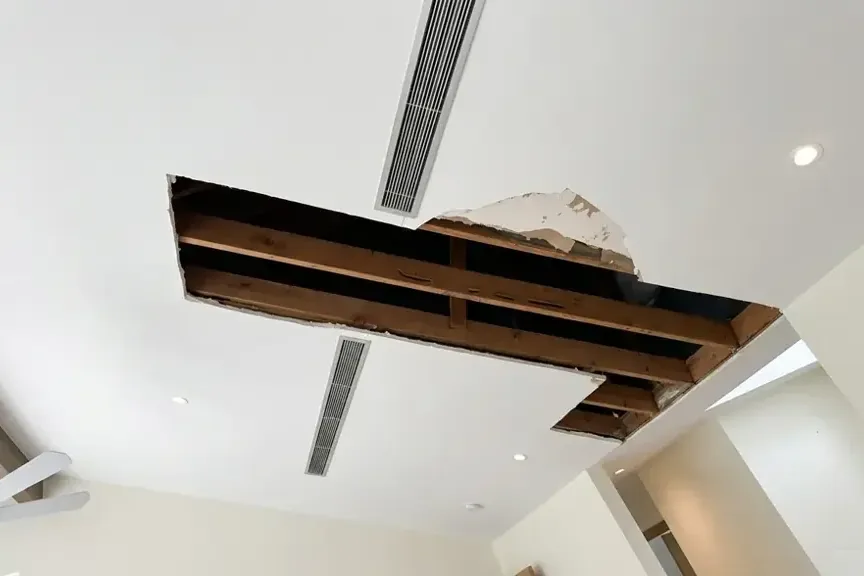
Ceiling Leak Water Damage
A bath or kitchen above leaks into the ceiling below; the source is confirmed and both spaces are dried and recorded.
See how it is handled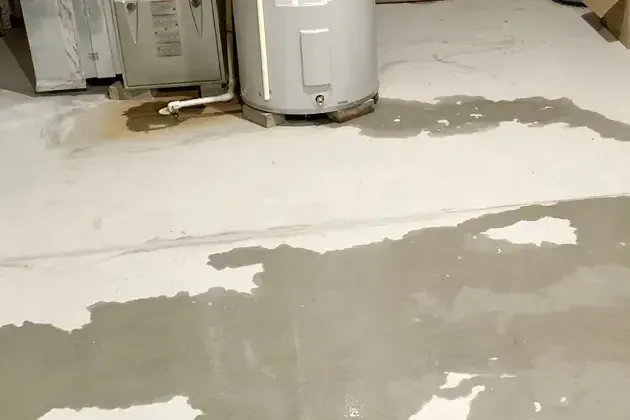
Water Heater Leak Cleanup
A tank that splits floods its closet or garage fast; water is extracted and the walls and floor around it are dried.
See how it is handled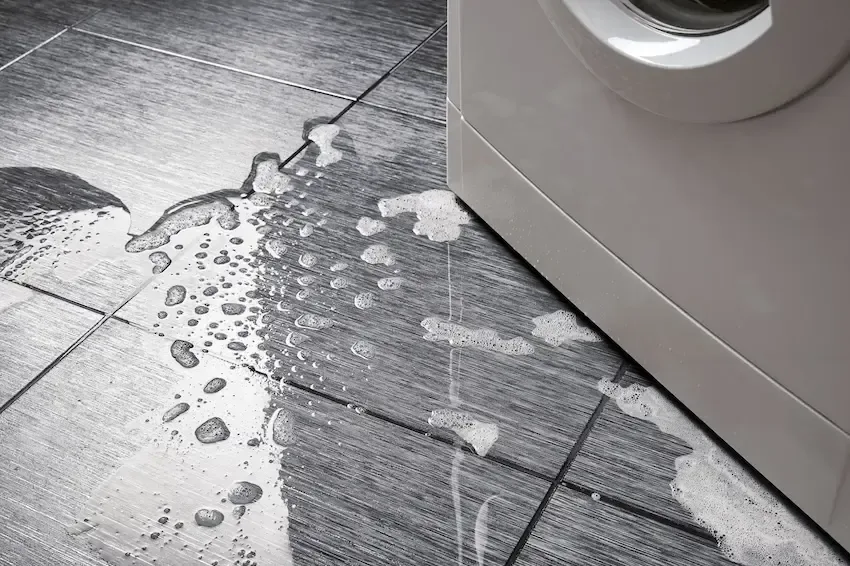
Appliance Leak Water Damage
Washer, dishwasher and fridge pipes leak under cabinets and floors, often into a neighboring space, until the readings find it.
See how it is handled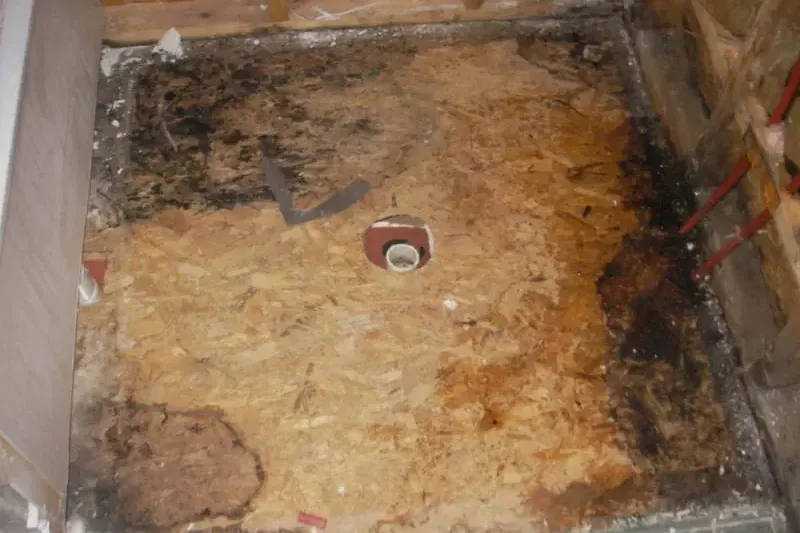
Toilet Overflow Cleanup
Each overflow is classed by its source, contaminated materials are removed, and the bathroom and any ceiling below are dried.
See how it is handled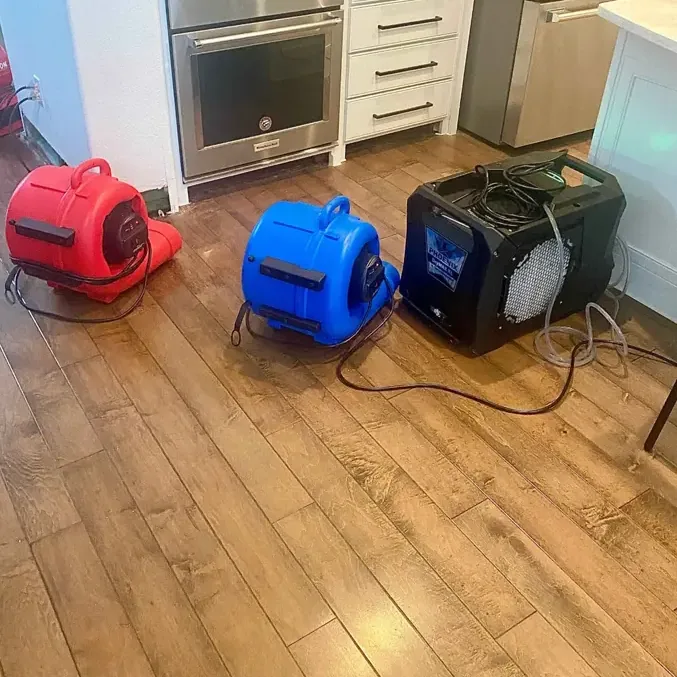
Structural Drying and Dehumidification
Air movers and LGR dehumidifiers matched to the room dry framing, subfloor and walls to a measured dry reference.
See how it is handled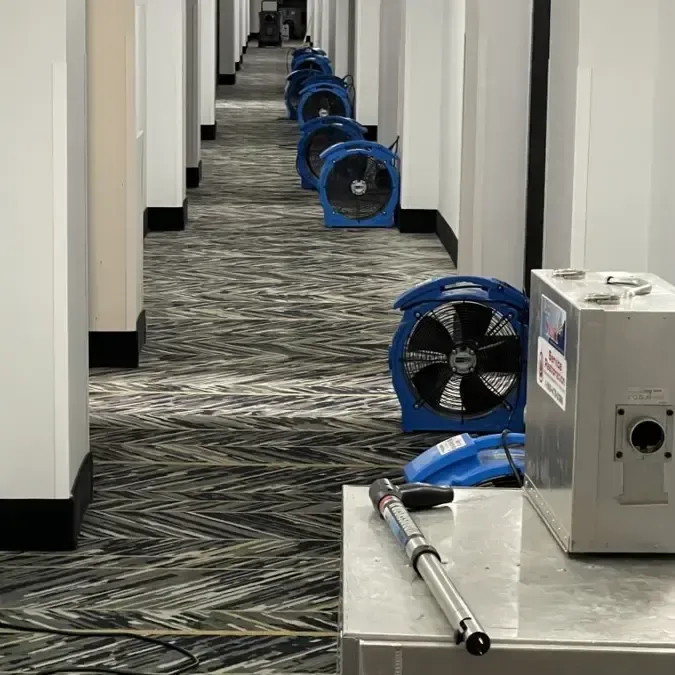
Commercial Water Damage
Shops, restaurants and offices are dried in stages around opening hours, with separate records for every space.
See how it is handledWhat to do while the water is still moving
These steps keep the damage smaller for the house, the unit next door and the insurance file.
- 1
Close the water supply
Turn off the fixture valve or the house main if it is safe, and tell the people upstairs if their unit is the source.
- 2
Stay away from wet outlets
Keep off soaked floors near outlets, and only switch off breakers if the panel itself is dry and easy to reach.
- 3
Tell whoever lives below
In an apartment or a house with a rear unit, warn the neighbors and the owner or manager right away.
- 4
Take photos first
Photograph the water, the source and anything damaged before moving it, wide shots and close ones.
- 5
Move small things up
Lift rugs, papers and electronics off the floor, but leave soaked drywall and sagging ceilings alone.
Around-the-clock dispatch for every house and unit
Pumps, extractors, air movers, dehumidifiers and moisture meters go out at any hour, sized for a cottage, a rear unit or an apartment building.
(888) 774-9605Send a crew to the houseFrom the first call to a dry, documented house
Dispatch
The call covers the source, the rooms and any second unit involved, so the right equipment heads out.
Moisture map
Meters and thermal imaging show the wet edge before any equipment is placed.
Water removal
Extractors and pumps take out standing water from floors, pad and low spaces.
Measured drying
LGR dehumidifiers and air movers run until each material reads dry.
Claim record
Photos, daily logs and the scope are kept together for the insurer.
Coverage from the marina to the hill streets
Every Berkeley neighborhood, from the flats near the bay to the winding hill streets, at any hour.
ZIP codes covered
Unsure whether your street is covered? Call anyway: dispatch checks parking, access and stairs before the crew sets out.
Neighborhoods and corridors
Nearby cities
Berkeley water damage pros, on call 24/7
One restoration team handles a flooded cottage, a leak that crossed into a rear unit and a soaked shop floor, each with its own claim file.
☎ Confirm your street and accessWhat a water damage dry-out looks like in Berkeley
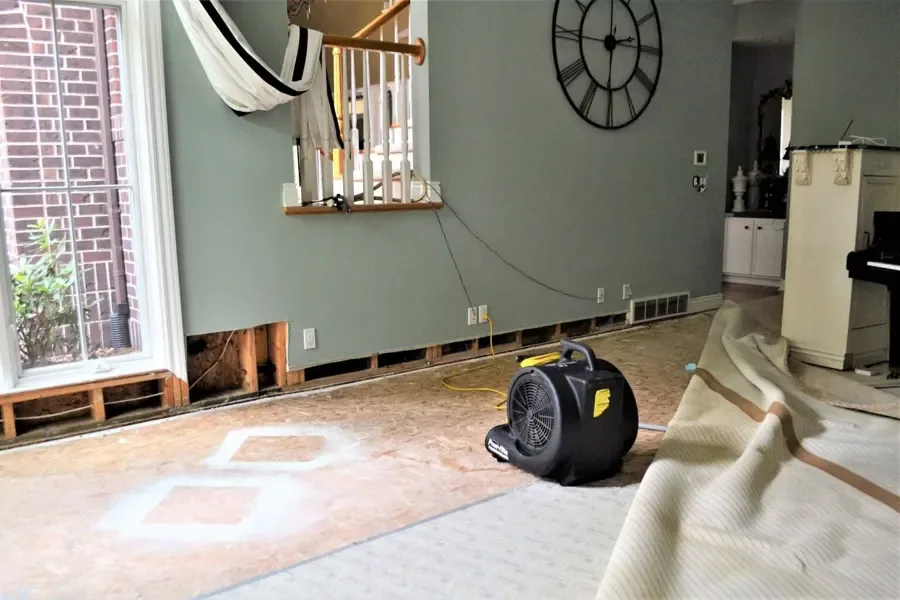
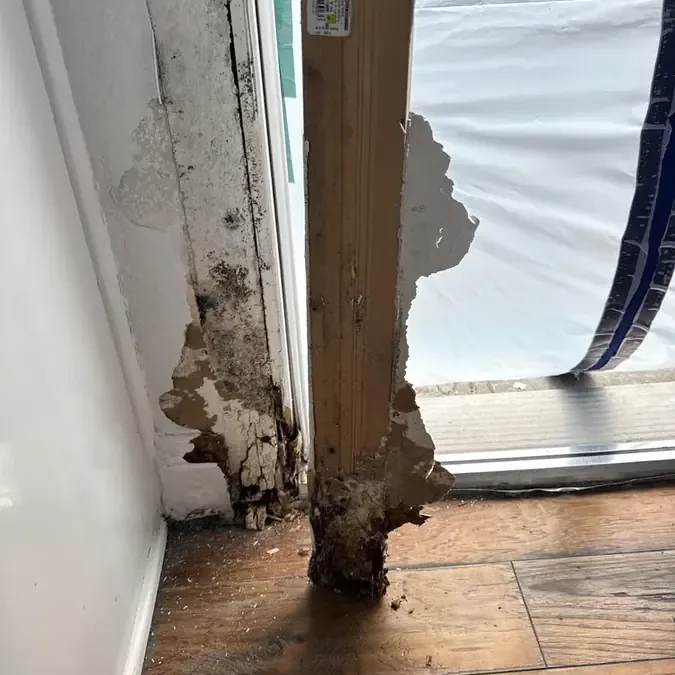
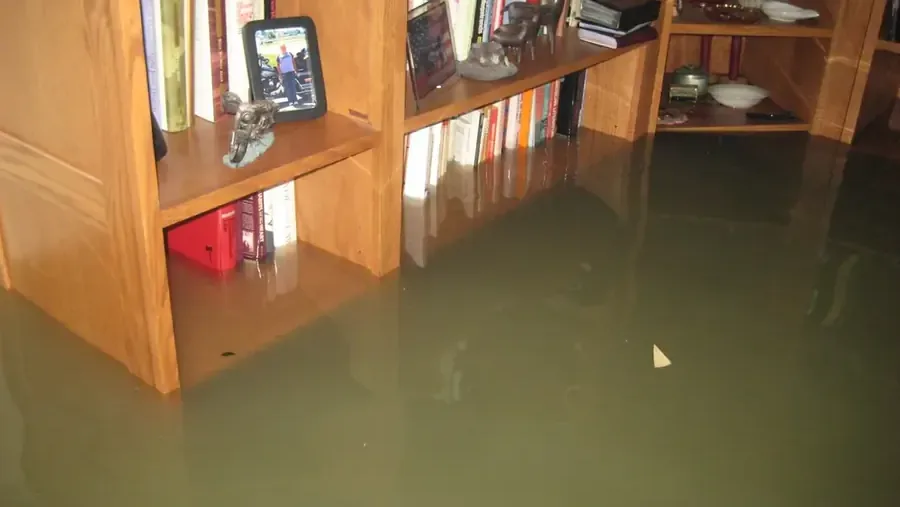
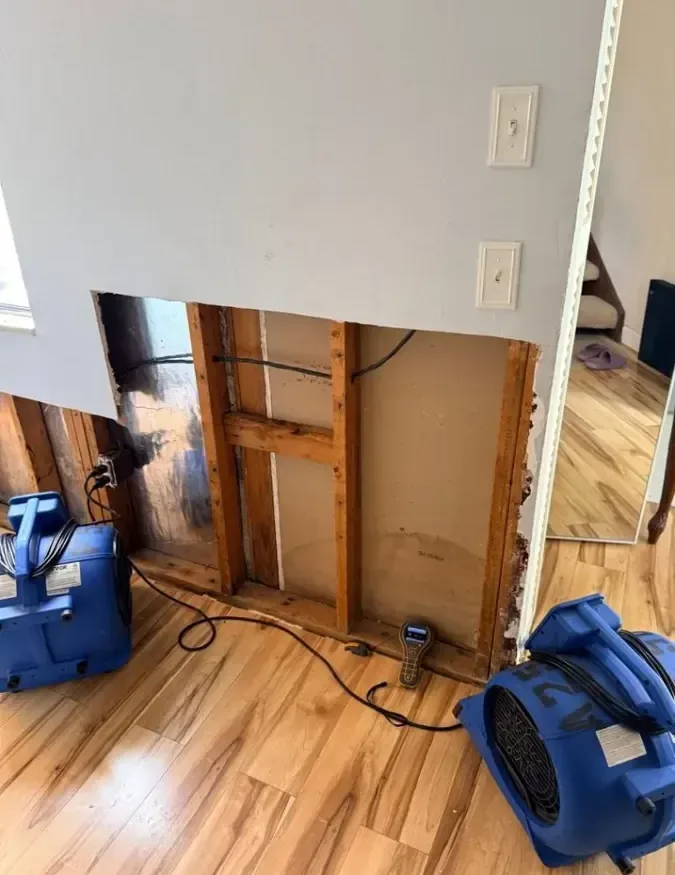
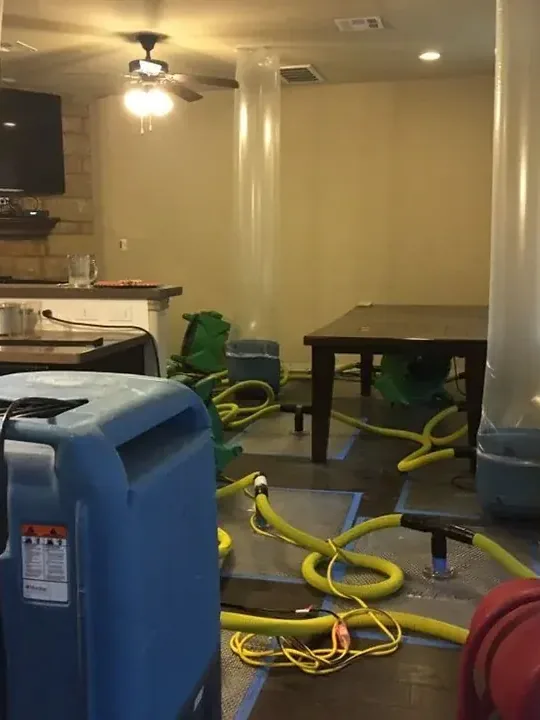
Real water losses and the equipment on them: pipe leaks, flooding, flood cuts, containment and drying.
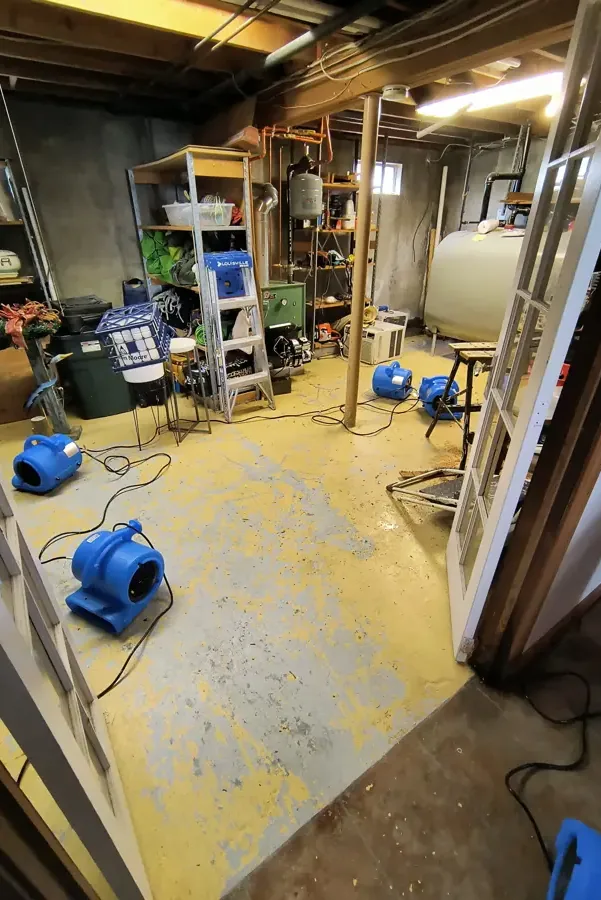
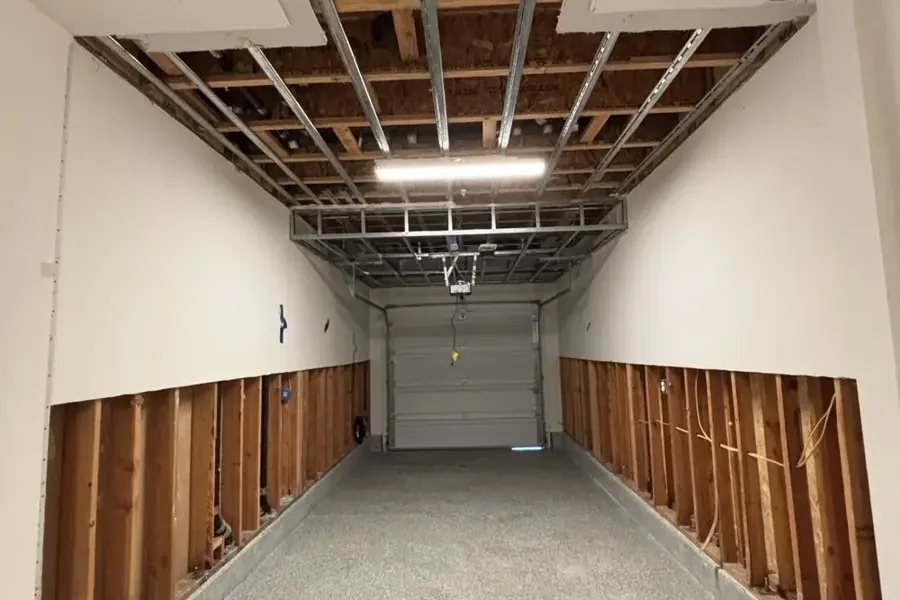
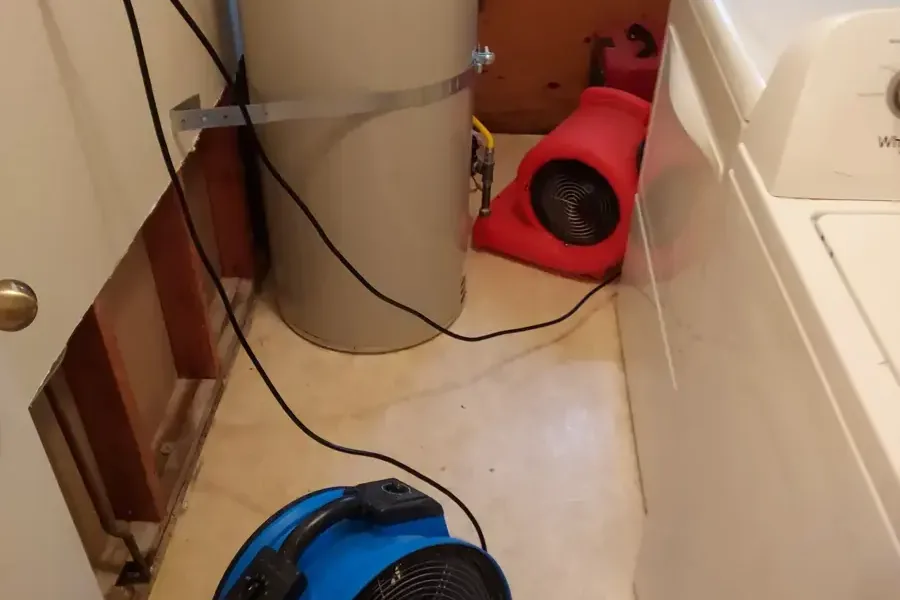
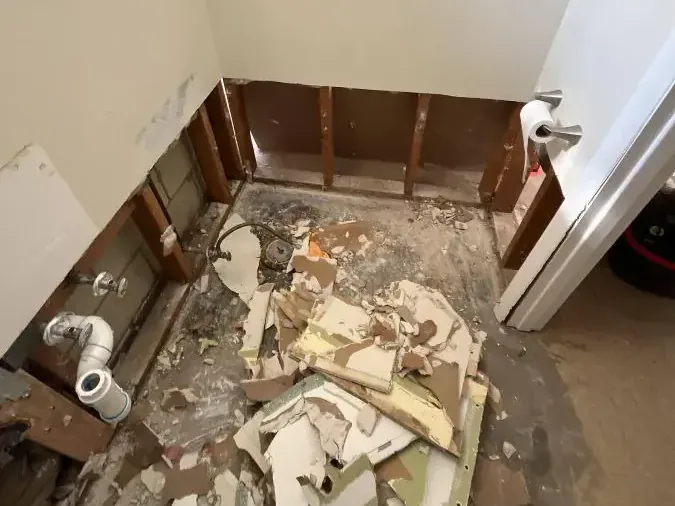
Water damage dried to the IICRC S500 standard
Measure first
The walkthrough maps damp drywall, subfloor and framing before a single fan goes down, so the plan fits the real damage.
Match the gear to the loss
The class of loss sets the number of air movers and dehumidifiers, with desiccants added for dense, slow materials.
Prove it is dry
Daily temperature, humidity and moisture readings show the trend, and equipment stays until the numbers reach the goal.
Rapid local response
Dispatch never closes, and active water in a house, rear unit or apartment is treated as urgent, with gear matched to the job.
IICRC S500 drying standard
Framing, subfloor and walls are dried to a measured goal, checked with meters and thermal imaging rather than by touch.
Claim-ready documentation
Moisture maps, daily drying logs and timestamped photos taken before demolition go to the owner and the adjuster.
Local water experts
Hill streets, flat neighborhoods with older mains, rear units and winter storms: the local restoration pros plan around each.
Trade facts, not badges
The IICRC S500 standard sets the drying goal: wet materials must read within 2 to 4 points of a dry sample of the same material before the equipment leaves. Every reading is logged. Coverage depends on your policy, so it is worth checking with your own insurer.
All water damage categories covered in Berkeley, CA
Clean water
Category 1 from a supply pipe, a broken main or a water heater, usually dried in place when work starts fast.
Water extraction ›Gray water
Category 2 from a dishwasher, washer or toilet tank, cleaned before drying, with carpet pad usually replaced.
Appliance leak water damage ›Black water
Category 3 from sewage or rain runoff from outside, so soaked porous materials are removed and surfaces treated.
Sewage backup cleanup ›What does water damage restoration cost in Berkeley, CA?
Mitigation for a typical water loss runs $1,000 to $9,000, and more when sewage or a second unit is involved. Water category, wet square footage, material class and how soon drying began set the figure.
One room or one space
- A pipe or appliance leak
- Water removal and drying
- Clean Category 1 water
Main house plus a second unit
- Walls and ceilings opened
- Two drying setups
- Records for both spaces
Sewage or a whole building
- Category 3 water
- Containment and removal
- Several floors or units
These cover mitigation, not rebuilding, and they are typical figures only. Try the water damage cost calculator for your own range.
Documentation for your insurance claim
The file carries what an adjuster asks to see, built from the first visit through the final dry reading.
- A moisture map of each wet wall, floor and ceiling
- Daily psychrometric logs from the drying equipment
- Photos with timestamps taken before anything is removed
- The water category and class of the loss
- An itemized mitigation scope for the claim
Read your own policy
Sudden and accidental water, such as a split supply pipe or a failed tank, is often covered, while water from outside usually falls under separate flood coverage.
When a rear unit or an apartment is involved, the owner policy and the tenant policy may both matter. Coverage depends on your policy, so check with your own insurer.
Berkeley water damage questions, answered
How quickly does help come for a water leak here?
Dispatch works around the clock and treats active water as urgent. Share the source, the rooms involved and whether a rear unit or apartment below is wet, so the right gear goes out.
A broken water main flooded the street. Is water in the house covered?
It depends on how the water entered and on your policy. Water that flows in from outside is often treated as flood. Coverage depends on your policy, so check with your own insurer and keep photos.
Why does winter bring so many water damage calls?
Most of the yearly rain falls in winter storms, with February the wettest month, and atmospheric rivers can drop well over an inch in a day, overwhelming roofs, gutters and drains.
What does the IICRC S500 standard mean for my house?
It is the industry drying standard. It defines water categories and classes, how equipment is sized and how dryness is proven with readings against a dry sample of the same material.
How long will the drying equipment run?
A contained Class 1 or 2 loss usually dries in three to five days. Plaster, hardwood and concrete take longer, and the drying time estimator gives a typical window.
Will the drywall need to be cut out?
Drywall soaked by sewage or outside runoff is removed. Drywall wet with clean water can often be dried in place when work starts quickly and the readings keep falling.
Is a sewage backup handled differently from a pipe leak?
Yes. Sewage is Category 3 from the first minute, so the crew sets containment, wears protective gear, removes soaked porous materials and applies an EPA-registered antimicrobial.
Who pays when a rear unit or apartment below is damaged too?
That depends on the source and on each policy involved. One set of readings and photos covering both spaces helps every party work through it with their own insurer.
Can mold follow a leak?
Wet drywall and carpet can begin growing mold within 24 to 48 hours, which is why water removal and drying are treated as urgent and checked every day.
Water in a Berkeley house, apartment or shop? Help goes out 24/7
Water left sitting soaks deeper into floors, walls and the space below. The restoration team removes it, dries and records each day.
(888) 774-9605Get the house dry-out moving