Storm and Flood Cleanup Berkeley, CA
Atmospheric rivers and clogged culverts have flooded this city before. The extraction crew pumps out storm water, hauls away silt and soaked materials, and dries the structure so the home can be repaired.
(888) 774-9605Clear the flood water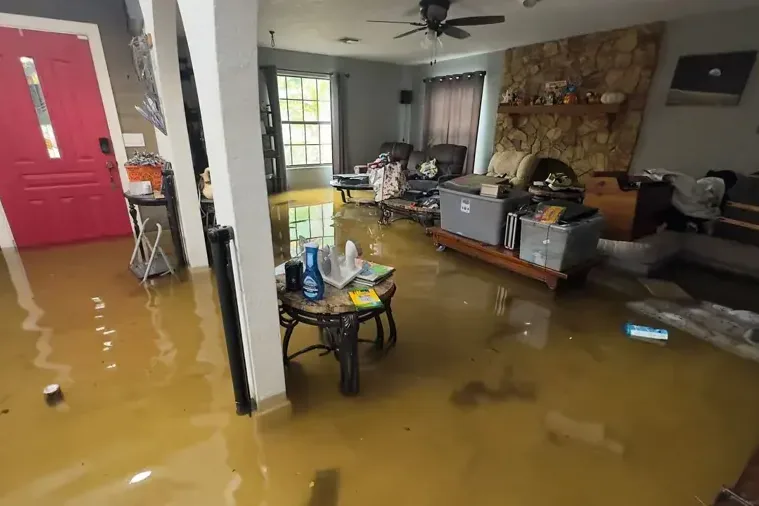
Berkeley sees 25.40 inches of rain in an average year, and when a storm stalls the water has to go somewhere. Garages, lower floors and doorways near sloping streets take the first hit, and storm water leaves silt and debris that clean water does not.
First steps for storm and flood water cleanup right now
- Assess the water. The crew checks the depth, the source of the water and any electrical risk before anyone steps inside, and decides what protective gear is needed.
- Pump out. Portable pumps lower the water level steadily, starting from the lowest point of the floor and working outward.
- Remove soaked materials. Silt, padding and wet lower drywall are taken out, and debris is bagged for removal from the property.
- Clean and dry. Hard surfaces are cleaned and sanitized, then air movers and dehumidifiers dry the structure.
How storm and flood water cleanup is handled, start to finish
Call with the situation
Describe the depth, where it came from and whether power is on. This tells dispatch which pumps, hoses and protective gear to bring.
Safety and scope
The team checks for electrical risk, contaminated water and unstable materials before any removal begins, and marks off unsafe areas.
Pumping and removal
Water is pumped, silt and debris cleared and soaked materials carried out, with each stage photographed.
Drying and records
Dehumidifiers and air movers run until readings settle, and photos, logs and an itemized list go into the claim file.
A history of heavy rain
On December 9 and 10, 1937, nearly 3 inches of rain fell and 15 culverts, mainly in the west end, clogged and flooded intersections. Some basements in North Berkeley flooded too. On December 27, 2022, an atmospheric river brought 1.77 inches of rain in 24 hours, and the National Weather Service issued flood advisories across the Bay Area.
- The wettest month, February, averages 5.21 inches
- The most rain in 24 hours was 6.98 inches on January 4, 1982
- The most in a single month was 14.49 inches in February 1998
- Warm El Nino years and Pineapple Express storms bring the heaviest totals
Those numbers are why a flooded floor here is a seasonal risk, not a rare event.
How storm water gets cleaned up
Storm and flood water is treated as dirty because it passes over yards, streets and drains before it reaches the house. That changes what stays and what goes.
- Portable pumps clear the deep water first
- Silt and debris are removed from floors and low cavities
- Carpet, padding and low drywall that soaked are usually discarded
- Hard surfaces are cleaned, then air movers and dehumidifiers dry the structure
Photographs of the water line on walls help later, so take them before the pumping lowers the level.
Stay out of the water
Floodwater can hide hazards and carry contamination. Stay clear of standing water and shut off power to the area if it is safe.
Floodwater drags dirt and germs into carpet and walls. Call at any hour with the depth and the location, and the crew will explain how pumping and cleanup would work.
☎ Call about the floodLower floors and garages
Garages and lower levels take storm water first because they sit at the bottom of the property. Boxes, tools and stored furniture soak up water and silt, and they hide damp spots against the wall. The extraction crew empties the area, pumps it, cleans the slab and walls, and sets drying equipment to pull moisture from the base of the framing.
Insurance and flood coverage
Standard homeowner policies and flood policies are separate, so ask the insurer which one applies. Keep photos, receipts and notes. The Berkeley service hub and the storm cleanup overview explain what comes after the pumps stop.
What does storm and flood water cleanup cost in Berkeley, CA?
Storm cleanup in Berkeley runs $2,500 to $6,000 for shallow water in one space, $6,000 to $15,000 for a lower unit, and $15,000 to $40,000 for a garage or several units.
Shallow water, one space
- Light silt only
- One room wet
- Standard drying plan
Lower level or unit
- Carpet removed
- Drywall cut out
- Longer drying time
Garage or several units
- Large area wet
- Heavy debris load
- Extended project time
Ranges are typical, not a quote: the category of water, square footage, material class and how fast drying started move the number most. Run the water damage cost calculator for a closer range.
What a real dry-out involves here
Rapid local response
Dispatch runs 24/7, and active water in a condo, loft or office is treated as urgent at any hour, with extraction gear sized to the building.
IICRC S500 drying standard
Structural drying, not just surface drying: air movers and LGR dehumidifiers run to the evaporation load and stay until readings say dry.
Claim-ready documentation
Moisture maps, daily psychrometric logs and timestamped photos taken before any demolition go into one file for the adjuster and the HOA.
Emeryville water experts
Stacked units, older industrial shells, fill near the bayshore and tidal storm drains: the local restoration pros read how water moves here.
Storm and flood water cleanup across Berkeley and nearby cities
Storm crews work in Downtown Berkeley, Southside, Northside, North Berkeley, Westbrae, Northbrae and Thousand Oaks, and the western slopes at Cragmont and La Loma Park where water runs downhill and collects against garages and doorways.
The same service nearby: storm and flood water cleanup in Emeryville, Piedmont, San Pablo.
Related water damage services nearby
Storm and Flood Water Cleanup questions in Berkeley, CA
Is storm water considered dirty?
Yes. It picks up soil, debris and drain contents on its way in, so protective gear is used and affected porous materials are usually removed.
Should I wait for the rain to stop?
Not for safety steps. Keep out of the water and shut off power if it is safe, then call so cleanup can begin once access is clear.
Does homeowner insurance cover flooding?
Many standard policies exclude surface flood water, and a separate flood policy may apply. Ask your insurer which coverage fits.
How is a flooded garage handled?
Water is pumped, debris cleared and the slab and walls dried. Stored items are sorted, and anything porous that soaked is generally discarded.
Will drywall need to be cut?
Often the lower portion is cut when it soaked, because wicking carries water above the visible line. Meters decide how high.
How long until things are dry?
Drying usually takes several days after pumping, longer for dense materials. The team logs readings until the structure matches dry reference areas.
What about the furniture and belongings?
Items on the floor are moved or lifted first. Solid wood and metal pieces are cleaned and dried, while upholstered furniture and particleboard that sat in dirty water are often discarded. A list with photos helps the claim.
Can flooding bring mold?
It can if wet materials stay in place, which is why soaked items come out and the structure is dried promptly.
Get the storm water out
Share how deep it is and where it entered, and the extraction crew will map the pumping and the drying that follows.
(888) 774-9605Plan the storm cleanup