Water Extraction Berkeley, CA
Winter storms and street main breaks can leave inches of water across a Berkeley floor. The extraction crew pumps and vacuums it out, then passes the wet materials to the drying team.
(888) 774-9605Get the floor cleared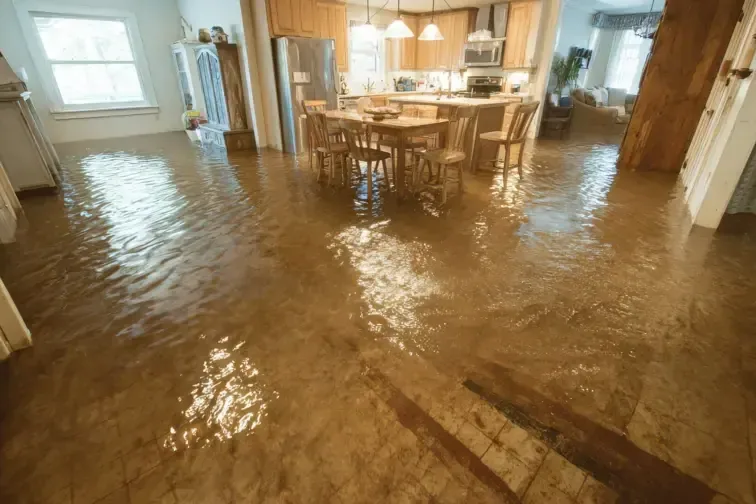
Rain in this part of the East Bay is not constant, but when it arrives it arrives hard, and older neighborhoods with low doorways feel it first. February averages 5.21 inches in Berkeley, and a clogged drain, a failed pump or a broken main can put water across a floor in a single evening. Extraction is the first job on those calls: get the standing water out before it climbs into drywall and soaks the subfloor. A fast start keeps a one room loss from turning into a whole floor.
First steps for water extraction and removal right now
- Find the source. The crew locates the leak or entry point and stops it so no new water arrives while the pumps run.
- Pump the depth. Portable pumps clear the deep water, working from the lowest part of the floor outward.
- Vacuum the rest. Wet vacuums lift the thin layer left on hard floors, carpet and stairs.
- Hand off to drying. Meter readings show what stays wet, and the drying team sets air movers and dehumidifiers.
How water extraction and removal is handled, start to finish
Call and describe the water
Say where the water sits, how deep it looks and whether it came from rain, a pipe or a drain. That decides the gear the crew brings.
Safety check on arrival
The crew looks at electrical risks, slippery floors and the water type before any pump is plugged in or any carpet is moved.
Extraction
Pumps and wet vacuums remove the water, and soaked padding or loose materials are lifted out so they cannot hold moisture.
Moisture check and next steps
Readings and photos are recorded for the claim, and a drying plan is set for walls, floors and rooms beside the loss.
Where the water usually comes from
Winter storms are only one source. In July 2015 a water main rupture flooded Parker Street near Regent Street and buckled part of the roadway, a reminder that city pipes fail too, and so do the supply pipes and hoses inside a house.
- Heavy rain pushing through doorways, garage openings and low windows
- Supply pipes and fittings that split inside a wall or ceiling
- A washer or dishwasher hose that slips off its fitting
- Drains that back up and spill across bathroom and laundry floors
Clean water from a supply break is handled differently from rain or drain water, so the crew checks the source before choosing pumps, vacuums and protective gear.
What the extraction crew does
The work moves from deep water to damp surfaces in a set order, because each stage makes the next one easier.
- Portable pumps clear anything deep enough to move
- Wet vacuums lift the thin film left on tile, wood and stairs
- Soaked padding and loose materials come up so they stop holding moisture against the floor
- Moisture meters check walls and subfloors before the crew leaves the room
Carpet is the common question for most homeowners and tenants. Clean water that is lifted quickly often leaves carpet worth drying, while padding is usually discarded. Storm or drain water normally takes both out, and the crew explains which case applies before cutting anything.
Check the power first
Water near outlets, a panel or a basement circuit is an electrical risk. Stay out of standing water until power to that area is off.
Water standing in a room is still soaking into walls and floors. Call any hour, describe the depth and the rooms involved, and the crew will explain how the pump out would proceed.
☎ Call for extractionWhat gets saved and what goes
Not everything wet is lost, and the crew sorts items as the water comes out. Solid wood furniture, tile and many hard floors dry well when the water is removed quickly. Particleboard, loose insulation and soaked padding rarely recover, and keeping them only slows the dry-out. Ask for a short list of what was removed and why, since the insurer will want the same detail.
Insurance notes for a flooded floor
Photos of the water level, the source and the damaged contents help a claim. The crew records moisture readings and removed materials as the work goes on, and the Berkeley service hub and the main extraction page explain the full dry-out that follows pumping.
What does water extraction and removal cost in Berkeley, CA?
Water extraction in Berkeley usually runs $800 to $2,500 for one room, $2,500 to $6,000 for a whole unit, and $6,000 to $15,000 for several units or dirty water. Depth and water type set the final figure.
One room
- Single space only
- Shallow water depth
- Quick lift and dry
A whole unit
- Several rooms wet
- Padding removed
- Longer pumping time
Several units or dirty water
- Shared floors involved
- Protective gear worn
- Heavy cleanup work
Ranges are typical, not a quote: the category of water, square footage, material class and how fast drying started move the number most. Run the water damage cost calculator for a closer range.
What a real dry-out involves here
Rapid local response
Dispatch runs 24/7, and active water in a condo, loft or office is treated as urgent at any hour, with extraction gear sized to the building.
IICRC S500 drying standard
Structural drying, not just surface drying: air movers and LGR dehumidifiers run to the evaporation load and stay until readings say dry.
Claim-ready documentation
Moisture maps, daily psychrometric logs and timestamped photos taken before any demolition go into one file for the adjuster and the HOA.
Emeryville water experts
Stacked units, older industrial shells, fill near the bayshore and tidal storm drains: the local restoration pros read how water moves here.
Water extraction and removal across Berkeley and nearby cities
Calls reach the extraction crew from homes and units. It works across Downtown Berkeley, Southside, Northside, North Berkeley, Westbrae, Northbrae, Thousand Oaks and the western slopes at Cragmont and La Loma Park, in houses and apartment buildings alike.
The same service nearby: water extraction and removal in Emeryville, Piedmont, San Pablo.
Related water damage services nearby
Water Extraction and Removal questions in Berkeley, CA
How fast does water need to come out?
Sooner is better. Water soaks into drywall, baseboards and subfloor boards steadily, and a long wet period is when mold can begin. Extraction should start the moment it is safe to enter.
Can a store wet vacuum do the job?
It can lift a small spill. Standing water across a room, wet padding and water trapped under flooring call for pumps and moisture meters to confirm nothing is left behind.
Is storm water treated differently from pipe water?
Yes. Rain and flood water can carry soil and drain contents, so it is handled as dirty water with protective gear, and more materials usually come out than after a clean supply leak.
Will carpet and padding be saved?
Carpet often survives clean water when it is lifted and dried fast, while padding is usually discarded. Water from a drain or a storm normally means both go.
Do the pumps run on home power?
Portable pumps and vacuums can use home outlets when the circuits are safe. If water has reached outlets or the panel, power is shut off first and the crew uses other options.
What does extraction cost compared with drying?
Extraction is the first and often shorter phase, priced by area and water type. Drying equipment and days on site come afterward, as covered under structural drying.
What should be moved before the crew gets there?
Light items that are dry and safe to carry, such as shoes, rugs, small furniture and electronics. Heavy pieces and anything standing in the water are left to the crew.
Ready to clear the water out
Describe the room and the water and a local extraction crew can plan the pump out and the dry-out that follows it.
(888) 774-9605Start the pump out