Water Extraction in Piedmont, CA
Standing water soaks into floors, drywall and framing quickly, so the extraction crew pulls it out with pumps and wands, then moves straight to drying equipment in homes and small businesses alike.
(888) 774-9605Clear the standing water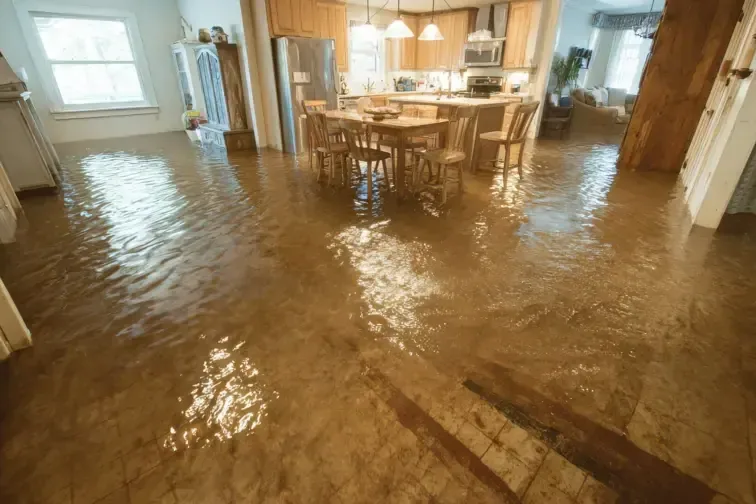
Water extraction is the first physical job on almost every loss. Whether a supply pipe let go in a house from the 1920s or a storm pushed runoff into a garage, the water has to leave before drying can work. In Piedmont, the extraction crew brings pumps, wands and truck-mounted gear sized to the volume, plus moisture meters to find water hiding beneath the surface. Each pass is logged, so the final report shows what came out and when.
First steps for water extraction and removal right now
- Shut off the source. Close the main valve or the fixture valve so no new water enters while pumps run.
- Photograph the water. Take wide and close photos of the standing water and affected rooms before anything moves.
- Keep power off. Leave wet outlets and floor-level appliances switched off until the crew has checked them.
- Call the crew. Describe the source and the rooms involved so the right pumps and drying gear are loaded.
How water extraction and removal is handled, start to finish
Assess the water
Meters and visual checks show the depth, the category of water and which materials absorbed it, and that sets the pump size, the crew size and the plan.
Extract the bulk
Pumps and wands lift standing water, and weighted tools press water out of carpet and pad until the flow of water slows.
Check what remains
Meters and thermal images find damp cavities, baseboards and subfloors that surface pumping cannot reach.
Hand off to drying
Air movers and dehumidifiers go in, readings are logged each visit and the job moves into structural drying.
What extraction removes first
Water that sits keeps moving into baseboards, wall cavities and subfloors. Pulling the bulk of it out early reduces the load on dehumidifiers and shortens the whole dry-out, which also limits how much material must be torn out.
- Standing water on tile, hardwood, laminate and concrete floors
- Water held in carpet and pad, lifted with weighted extraction wands and pressed out of the fibers
- Water trapped under floors, reached through small openings or lifted boards
- Pooled water in garages, laundry rooms and lower living spaces
Once the surface water is gone, readings show what remains inside the materials, and that decides whether the next step is simple air movement or full structural drying. That reading step matters in older construction, where layered floors and plaster walls can hold water far longer than a quick look suggests.
Matching the method to the water
Clean supply water and sewage need very different handling. Clean water can often be extracted and dried in place. Contaminated water calls for protective gear, containment and removal of porous materials that cannot be cleaned.
- Clean supply water: extract, dry and keep carpet when the pad is still sound
- Gray water from appliances: extract, clean the surfaces and dry the cavities
- Sewage or storm water: contain, extract, discard porous items and disinfect
- Large volumes: truck units move more water with fewer passes
Older houses add one more wrinkle, because aging fittings can release water in several places at once, so the crew checks every adjoining room instead of stopping at the visible puddle.
Mains can fail too
EBMUD said the average age of its cast iron pipes is 80 years, and a main installed in 1933 cracked under Sunnyside Avenue in December 2018. When buried pipes fail, water can reach a property fast, so extraction should begin quickly.
Standing water in a home or shop is easier to handle the sooner pumps start, and the crew can talk through the first steps. now
☎ Talk to the crewInsurance records for extraction
Adjusters want to see how much water there was and how it was removed. The crew photographs the standing water before pumps start, logs the equipment used and notes which materials were extracted or discarded. Keep your own photos too, and ask your insurer what the policy says about sudden water loss before work is finalized. If the loss reaches a neighbor's unit or a shared wall, note that in the record as well, because the adjuster may need to coordinate more than one claim.
What does water extraction and removal cost in Piedmont, CA?
Most extraction jobs run from $800 for one room to $15,000 or more when dirty water or several units are involved, and the final number depends on water depth, materials and cleanup scope.
One room
- Pump and wand pass over floors
- Moisture readings taken
- Drying equipment setup
A whole unit
- Several rooms pumped
- Carpet and pad lifted
- Dehumidifiers placed room by room
Several units or dirty water
- Contaminated water steps
- Truck unit use
- Disposal and surface disinfecting
Ranges are typical, not a quote: the category of water, square footage, material class and how fast drying started move the number most. Run the water damage cost calculator for a closer range.
What a real dry-out involves here
Rapid local response
Dispatch runs 24/7, and active water in a condo, loft or office is treated as urgent at any hour, with extraction gear sized to the building.
IICRC S500 drying standard
Structural drying, not just surface drying: air movers and LGR dehumidifiers run to the evaporation load and stay until readings say dry.
Claim-ready documentation
Moisture maps, daily psychrometric logs and timestamped photos taken before any demolition go into one file for the adjuster and the HOA.
Emeryville water experts
Stacked units, older industrial shells, fill near the bayshore and tidal storm drains: the local restoration pros read how water moves here.
Water extraction and removal across Piedmont and nearby cities
Extraction crews work across Piedmont, including Alta Piedmont, The Highlands, the Highland Avenue and Exedra area, Blair Park, Dracena Quarry Park, the Linda Avenue and Beach Playfield blocks, Hampton Road, Sunnyside Avenue and Craig Avenue.
The same service nearby: water extraction and removal in Emeryville, Berkeley, Orinda.
Related water damage services nearby
Water Extraction and Removal questions in Piedmont, CA
How soon should water be extracted?
As early as possible. Water keeps spreading into walls and subfloors while it sits, so earlier pumping means less material to tear out. Fast action also protects cabinets, trim and furniture legs.
Can wet carpet be saved?
Often, when the water is clean and removal starts quickly. Carpet and pad are extracted with weighted wands, while contaminated or long-soaked pad is usually discarded.
Does extraction include drying?
Extraction removes the bulk of the water. Moisture left in framing and floors needs structural drying with air movers and dehumidifiers.
What if the water came from a sewer backup?
Sewage is contaminated, so the crew follows separate containment and disposal steps. See sewage backup cleanup for that process.
Is extraction needed for a small leak?
If water pooled or soaked flooring, yes. Even a modest spill can wick into baseboards and cabinets, and meters show whether more than the visible area is wet. A quick meter check settles the question.
What equipment is used?
Submersible pumps, extraction wands, truck-mounted units for larger losses and moisture meters to confirm what remains afterward. Fans and dehumidifiers are added when extraction is done. Fans, dehumidifiers and moisture meters round out the setup.
Will my insurer want records?
Usually. Photos of the water, equipment logs and moisture readings help the adjuster see how the loss was handled.
Does extraction work on concrete floors?
Yes. Pumps and wands clear the surface water, and dehumidifiers then pull the moisture that the concrete itself still holds.
Get the water out before it spreads further
Tell the crew where the water is and how deep it looks, and extraction gear is loaded for the job.
(888) 774-9605Start water removal