Water Damage Restoration Piedmont, CA
When a pipe lets go or a storm pushes water indoors, the response team brings extraction pumps, air movers and moisture meters to older hillside houses and flat streets alike. The goal is a dry structure and a clear record for your insurance adjuster.
(888) 774-9605Call for a dry-out plan
What puts Piedmont homes at risk for water damage?
Piedmont is a small city of 11,270 residents with many houses built in the 1920s and 1930s, and aging buried pipes and private sewer laterals add to ordinary leak and storm risks.
Older houses
Many homes date from the 1920s and 1930s, so aging supply pipes, drains and roofs can fail, and a leak in a large older house can run through several rooms.
Buried cast iron mains
EBMUD said the average age of its cast iron pipes is 80 years, and a 1933 main cracked under Sunnyside Avenue, so street failures are a real concern.
Private sewer laterals
Owners maintain the entire private sewer lateral, which makes up about 50 percent of the city sewer system, so a clog or break there becomes the homeowner's problem.
Grease in the drains
Cooking fats, oils and grease washed down drains can cause sewage backups at homes, businesses and in city sewer pipes alike.
Winter runoff on hills
The city sits in the foothills, and its name means foothill, so heavy winter rain can send runoff toward garages, lower floors and hillside lots.
Fault country
The city is near the Hayward Fault, and ground movement can loosen pipe joints and appliance connections long before anyone notices a drip.
Appliance and heater leaks
Dishwashers, washers, refrigerator hoses and water heaters leak in every home, and a slow drip behind a cabinet can soak framing for weeks.
Early December 2018
A cast iron water main installed in 1933 cracked under Sunnyside Avenue, leaving 23 residential customers without water until EBMUD crews replaced a section.
Water Damage Restoration Services in Piedmont, CA
Every service follows the same plan: stop the water, remove it, dry the structure and document the loss, sized to the damage found.
Water Extraction and Removal
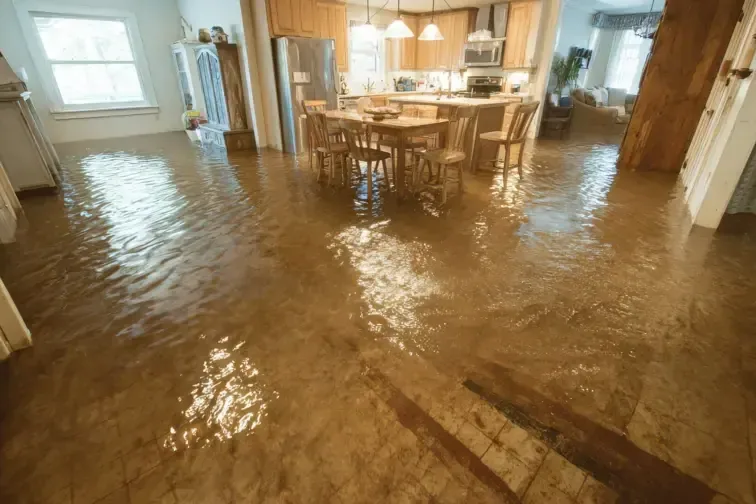
Pumps, wands and truck units pull standing water from floors and carpet so drying can start before materials swell.
See how it is handled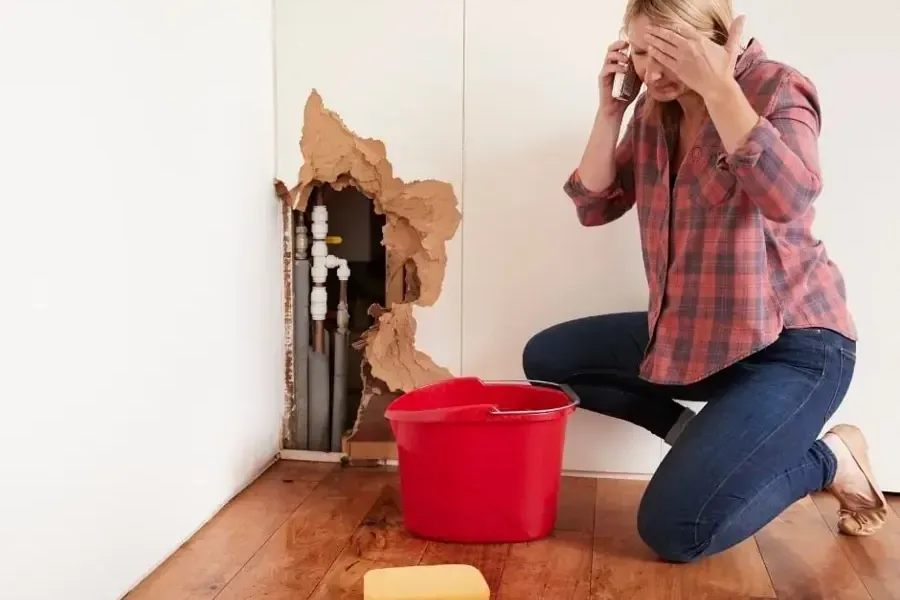
Burst Pipe Water Damage
A failed supply pipe can flood several rooms, so the crew stops the spread, extracts and dries the wet framing.
See how it is handled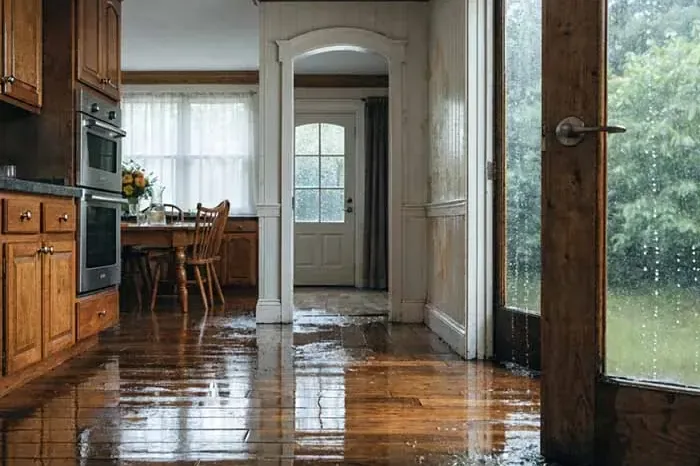
Slab Leak Water Damage
Leaks in pipes under a concrete floor show up as warm spots or odd bills, and the crew dries the flooring above.
See how it is handled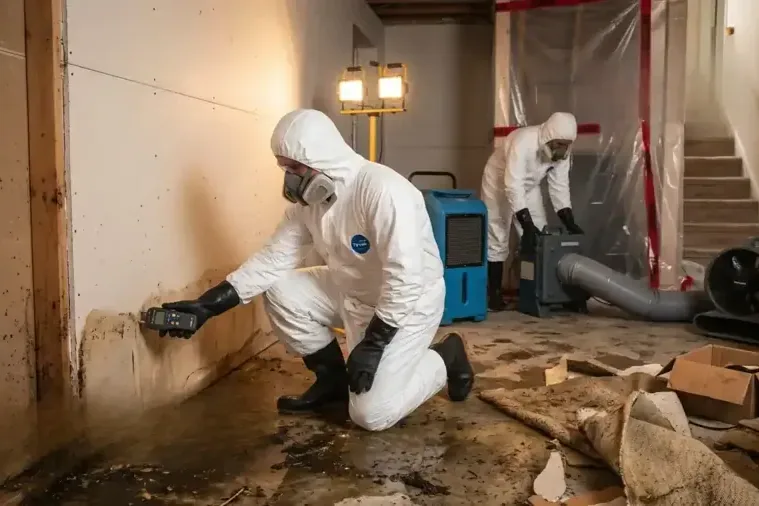
Sewage Backup Cleanup
Contaminated water is contained, removed and disinfected with protective gear, and porous materials that cannot be saved are discarded.
See how it is handled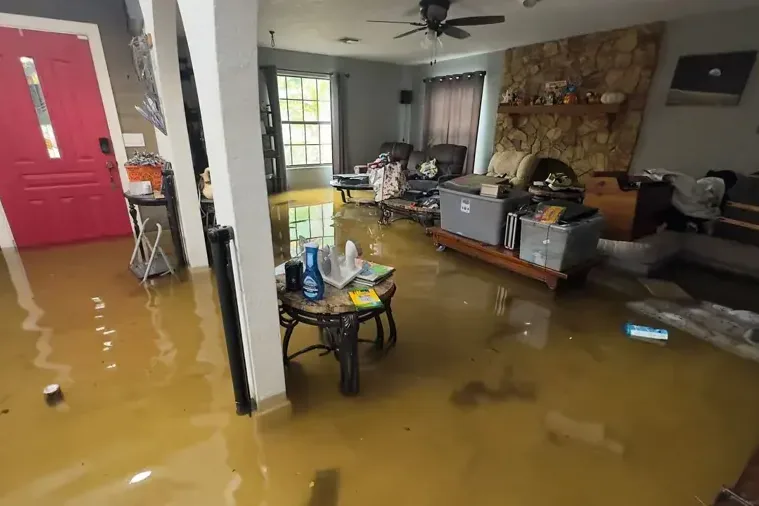
Storm and Flood Water Cleanup
Winter runoff entering a garage or lower floor is extracted, and the affected rooms are dried and documented.
See how it is handled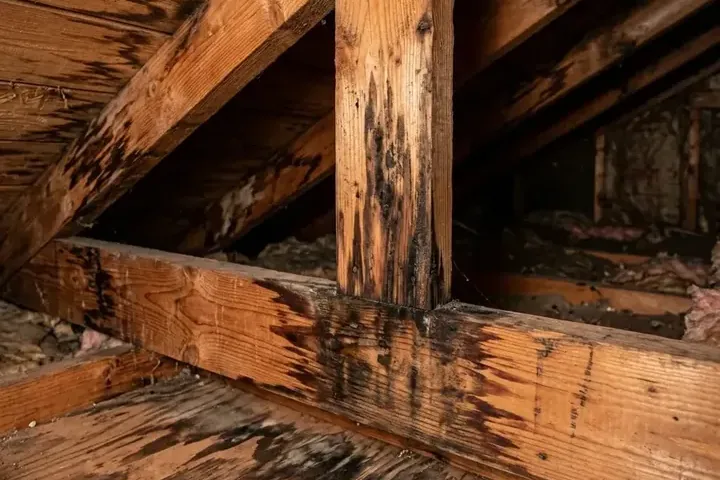
Roof Leak Water Damage
Rain through worn roofing soaks attics, insulation and ceilings, so each wet layer is dried and the leak path recorded.
See how it is handled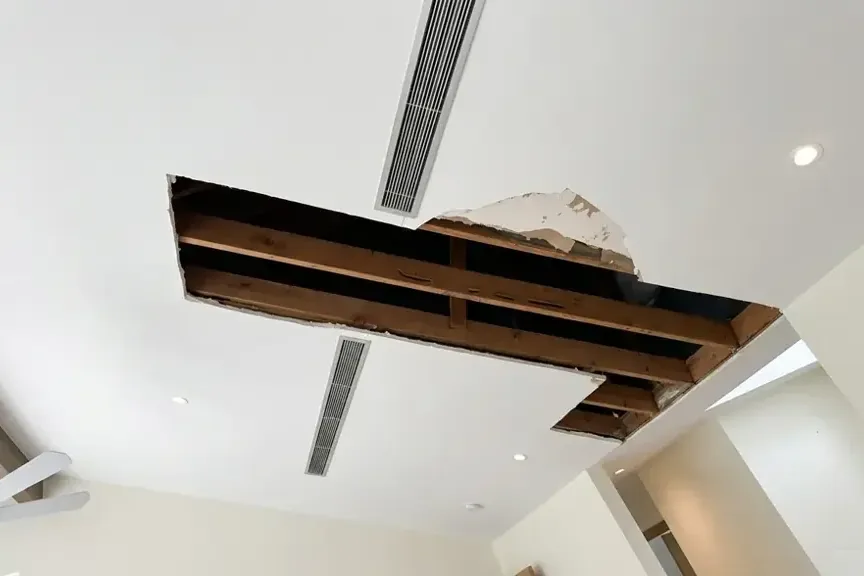
Ceiling Leak Water Damage
Stained or sagging ceilings often hide trapped water above, so the crew opens the area, releases it and dries the joists.
See how it is handled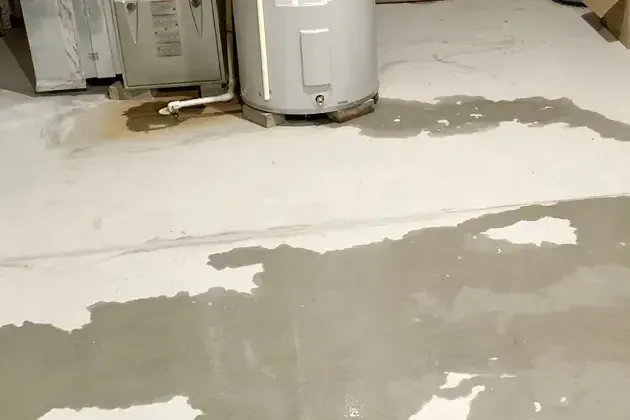
Water Heater Leak Cleanup
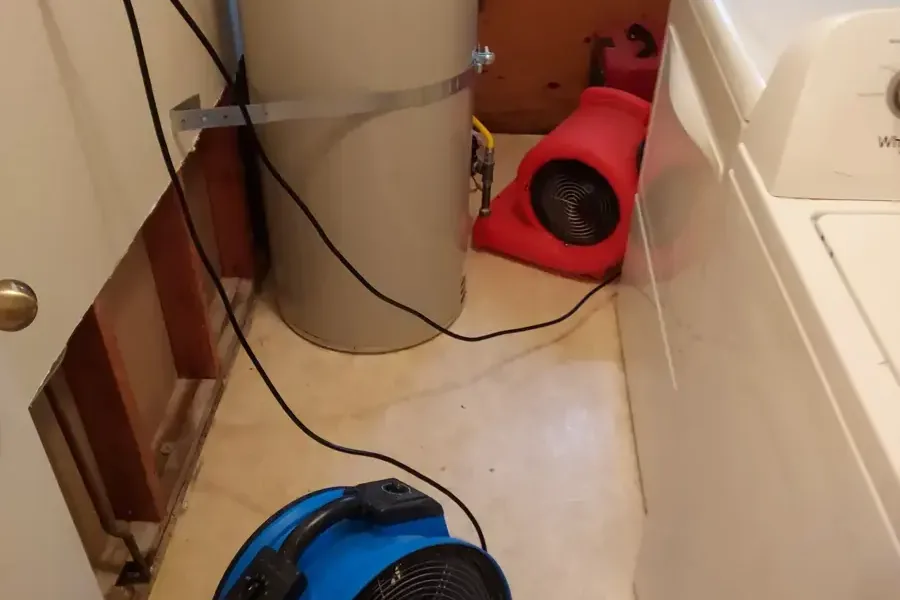
A failed tank can empty into a closet or onto a floor, and cleanup covers extraction, wet drywall and rooms nearby.
See how it is handled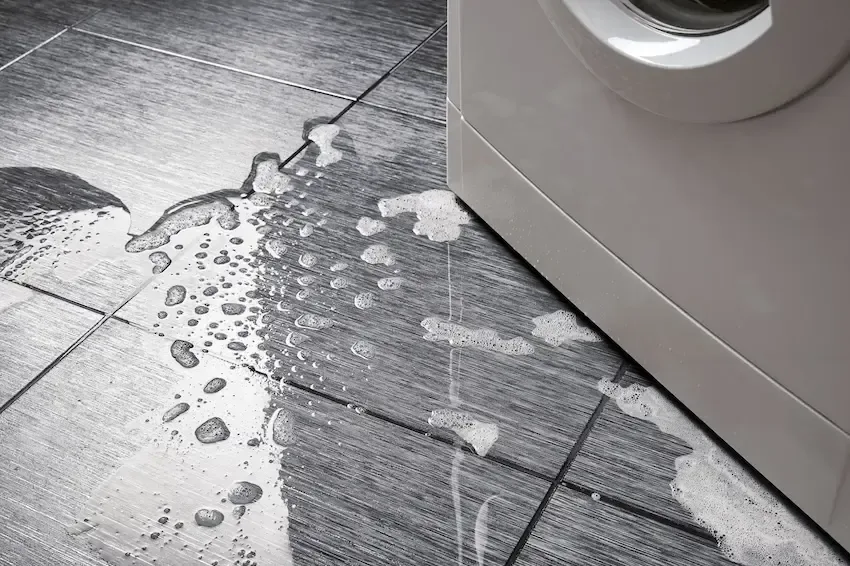
Appliance Leak Water Damage
Dishwasher, washer and refrigerator leaks hide behind cabinets, so moisture mapping finds what a wiped floor conceals.
See how it is handled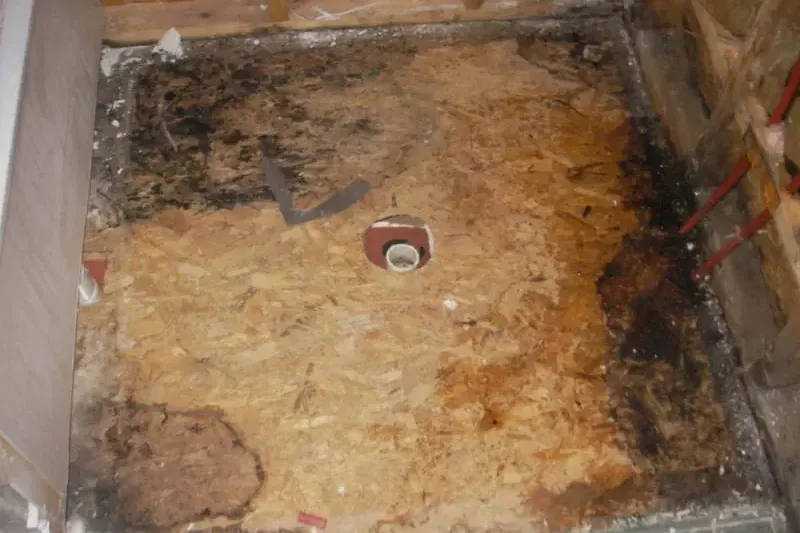
Toilet Overflow Cleanup
Overflow water spreads under tile and into subfloors, and the crew removes it and treats the bathroom and neighboring rooms.
See how it is handled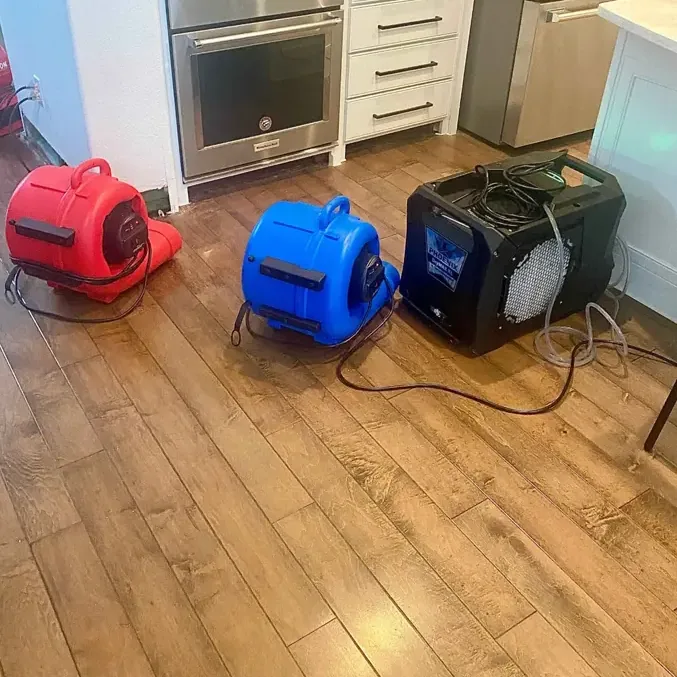
Structural Drying and Dehumidification
Air movers and dehumidifiers draw moisture from framing and walls, with readings logged until materials reach their dry standard.
See how it is handled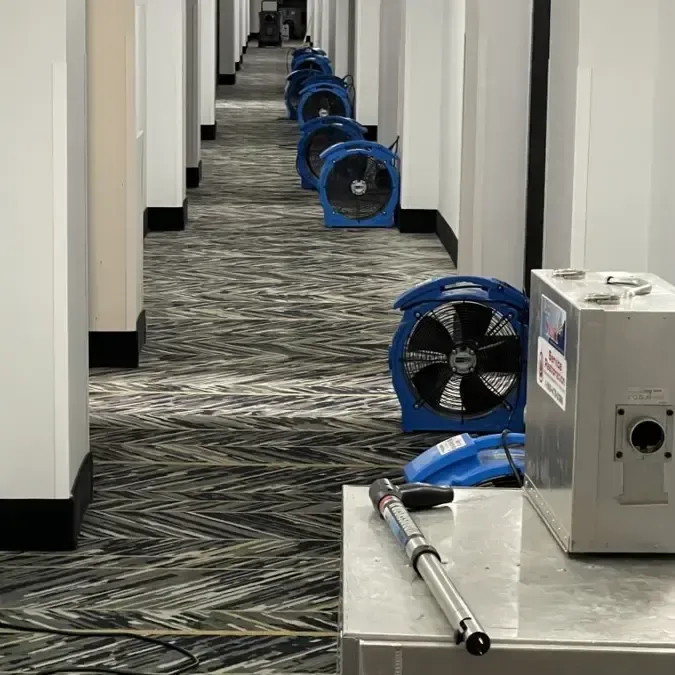
Commercial Water Damage
Shops, offices and small buildings get phased drying plans that limit disruption and keep claim records ready.
See how it is handledWhat to do right after water damage starts
These quick actions protect your family and your belongings until the crew can begin the work.
- 1
Stop the water source
Shut off the main valve or the supply to the leaking fixture, and switch off power to wet areas only if the panel is safe to reach.
- 2
Stay out of dark water
Water from a toilet, drain or sewer carries bacteria, so keep children and pets away and do not walk through it.
- 3
Lift what you can
Move rugs, small furniture, electronics and papers to dry ground, but leave heavy pieces for the crew.
- 4
Take photos and video
Record each wet room, damaged item and the source before anything moves, since adjusters rely on these images.
- 5
Call for help
Phone the crew early, because wet drywall, insulation and framing begin to break down within the first two days.
A plain plan before any work starts
Before equipment goes in, the crew explains what is wet, what must be removed and what the price depends on, so nothing surprises you.
(888) 774-9605Talk through the dry-out planWhat a water damage dry-out looks like in Piedmont
Inspect
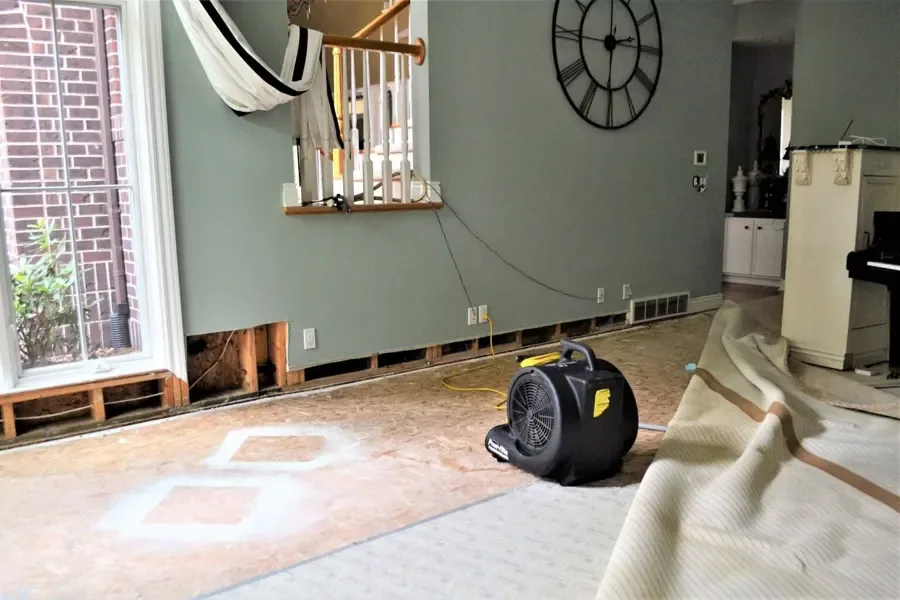
Moisture meters and thermal cameras map where the water traveled, including behind walls and under floors.
Extract
Pumps and wands pull standing water so the drying clock can start.
Remove
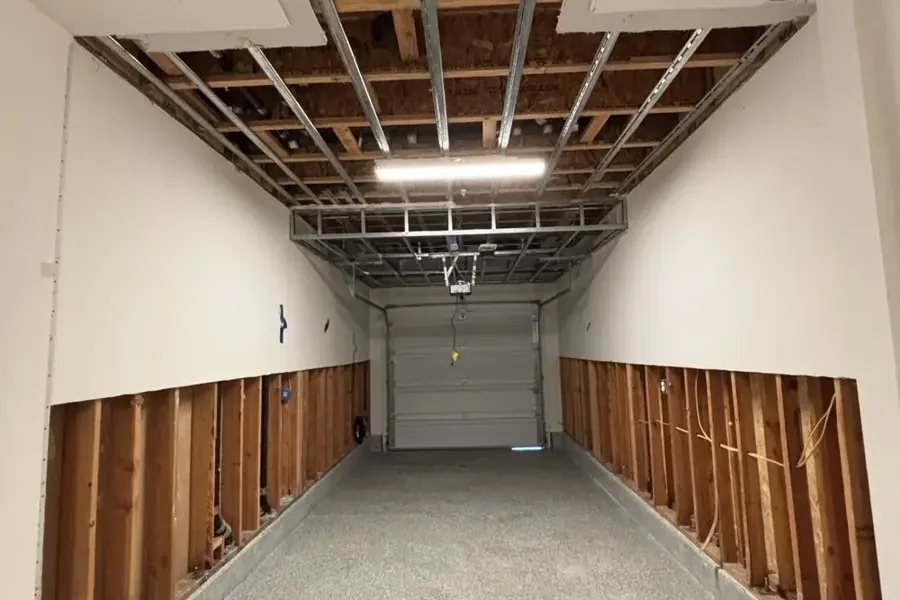
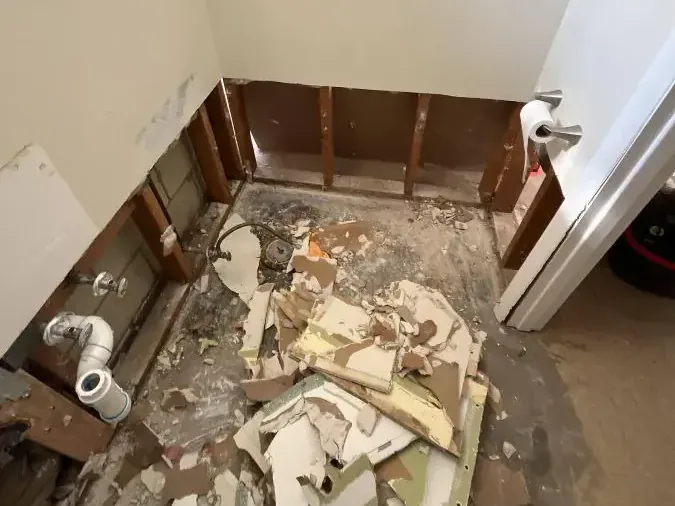
Soaked pad, insulation and drywall that cannot dry in place are cut out.
Dry
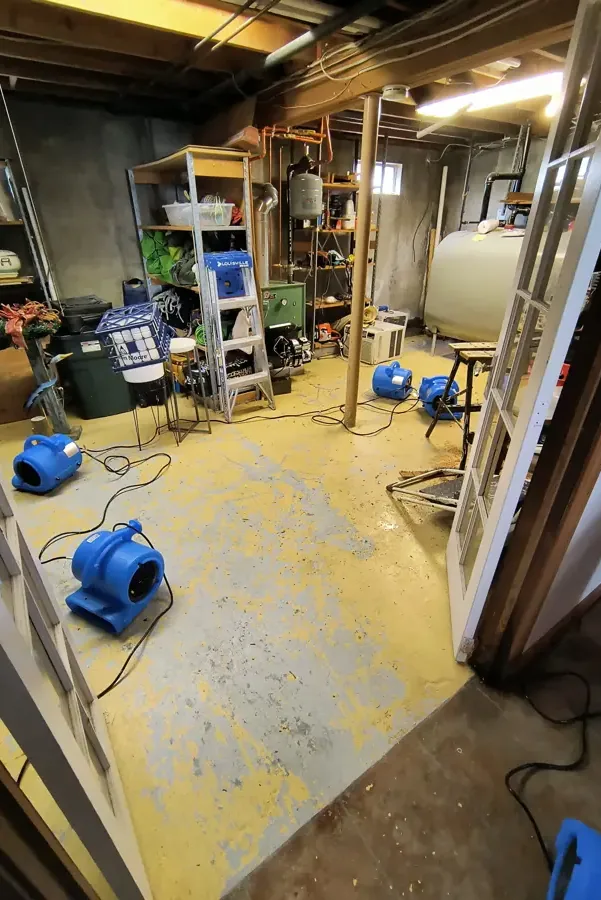
Air movers and dehumidifiers run while readings are logged at each visit.
Verify
Final readings confirm that every material is back to its normal dry range for the building.
Water damage help across local neighborhoods
Crews work across the city, from Alta Piedmont hillsides to the blocks near the parks.
ZIP code
The city is a compact community inside Alameda County, so a crew can be sent to hillside streets and flat blocks alike.
Streets and areas
Nearby areas
Need help at your property?
Houses, apartments and small shops all receive the same moisture mapping, written scope and drying plan before work begins.
☎ See the full service areaEquipment and methods used on water loss jobs
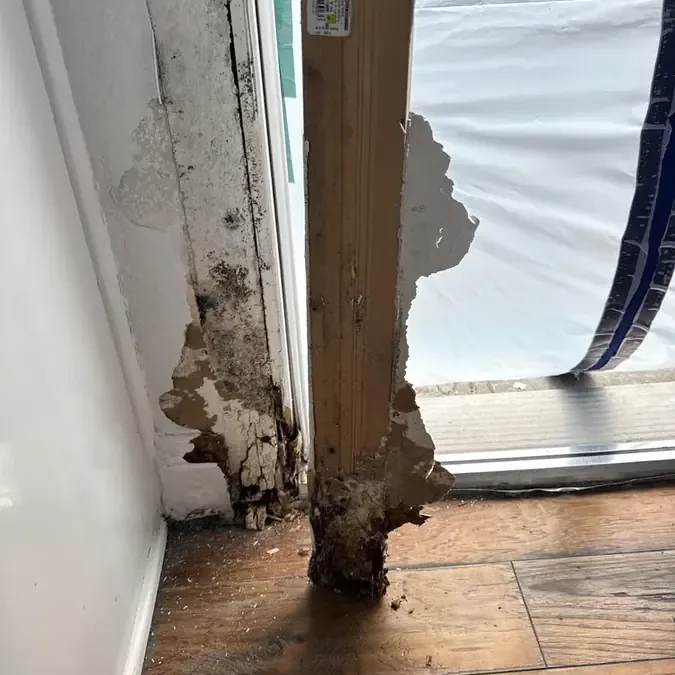
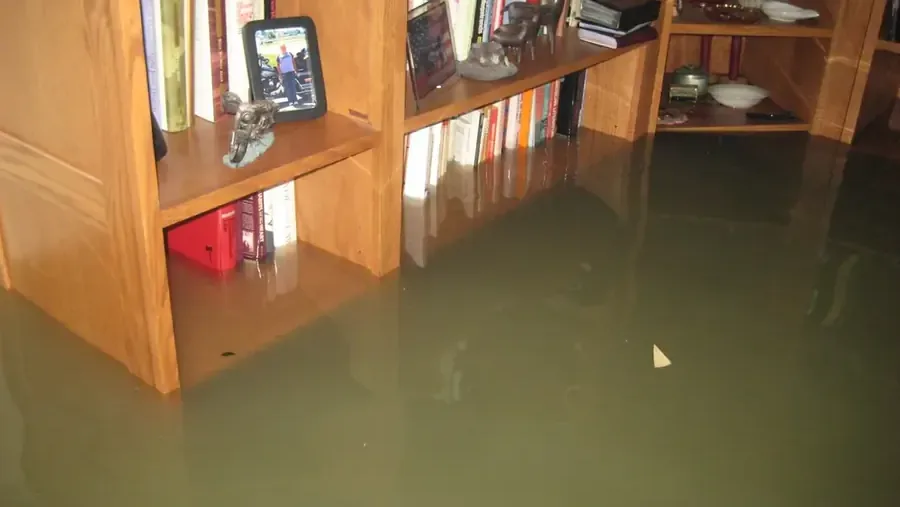
Typical scenes from extraction, containment and drying work on residential and commercial losses.
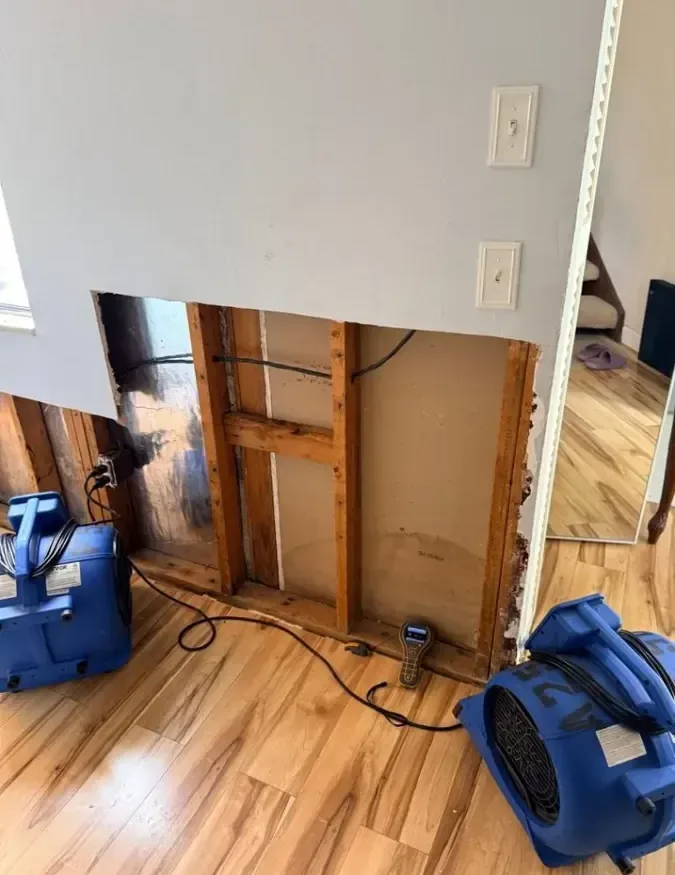
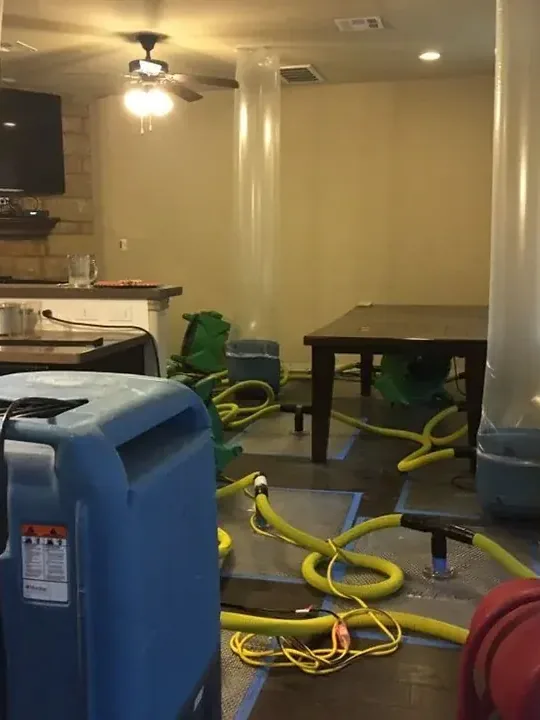
Water damage dried to the IICRC S500 standard
Measure first
Meters set a baseline so the plan matches how wet each floor, wall and framing member actually is.
Control the air
Dehumidifiers and air movers are placed to dry surfaces and hidden cavities steadily, without overdrying finishes.
Confirm the result
Readings are repeated until walls and floors reach their dry targets, and only then does the equipment come out.
Rapid local response
The crew works close to the neighborhoods it serves, so a call at any hour starts the plan right away with the right gear.
IICRC S500 drying standard
Drying targets and moisture logs follow the recognized standard instead of guesswork.
Claim-ready documentation
Photos, readings and equipment logs are kept so the adjuster sees the whole loss.
Local water experts
Crews know how older houses, hillside lots and private sewer laterals behave when water gets in, and plan around them.
Why homeowners call local crews
Drying follows the IICRC S500 approach: documented moisture readings at every visit, controlled airflow with dehumidification, and repeat checks until wet materials return to their normal range, so equipment only leaves once the structure is truly dry.
All water damage categories covered in Piedmont, CA
Clean water
Broken supply pipes and tank overflows begin as clean water but worsen with time, so fast removal protects materials.
Water extraction service ›Gray water
Dishwashers and washers release water holding soap and food residue that needs careful drying.
Appliance leak cleanup ›Black water
Sewage and floodwater carry bacteria, so the crew uses containment and protective gear.
Sewage backup cleanup ›What does water damage restoration cost in Piedmont, CA?
Most jobs fall between $1,000 and $25,000, depending on how far the water spread, how long materials stayed wet and whether the water was clean or contaminated at the source.
Small, caught early
- One room affected
- Quick water extraction
- Short drying run with meters
Several rooms or walls
- Wet drywall removed
- Longer drying with more air movers
- Moisture logged daily
Major or contaminated loss
- Sewage or storm water
- Multiple floors involved
- Rebuild planning with the adjuster
These ranges are typical for the region, and a written scope after the inspection shows what applies to your property.
Documentation for your insurance claim
Adjusters decide faster when the loss is recorded clearly and consistently from the very first visit.
- Dated photos and video of every wet room
- Moisture readings taken at each visit
- Equipment logs showing what ran
- A list of removed materials and contents
- The water source and when it stopped
What the owner can do
Photograph everything before cleanup begins, keep damaged items until the adjuster has seen them, and save receipts for emergency purchases.
Report the loss to your insurer promptly, and ask what the policy says about sudden versus gradual leaks and about mitigation costs.
Frequently asked questions
How quickly should water damage be addressed?
Start as soon as the water is stopped. Wet drywall, insulation and framing begin to break down within the first two days, and mold growth becomes a risk after that, so early removal limits the work.
What does the crew do first?
The restoration team finds the source, takes moisture readings, extracts standing water and sets drying equipment. Details are on the water extraction page.
Who maintains a sewer lateral at my property?
In Piedmont the owner maintains the entire private sewer lateral, and a backup in the public sewer should be reported to the city. See sewage backup cleanup.
Does insurance cover a burst pipe?
Many policies cover sudden pipe failures but not slow seepage. Read your policy or ask the adjuster, and keep dated photos of the damage.
How do clean and contaminated water differ?
Clean water comes from supply pipes and tanks, gray water from appliances, and black water from sewage or floods. The category sets the safety steps, what can be saved and how long cleanup takes.
How long does drying take?
Most dry-outs run several days, depending on the materials and the amount of water. Structural drying explains the equipment and monitoring.
Can an older house be dried without opening walls?
Sometimes. Meters show whether moisture sits in cavities, and small openings or panels let air reach them, while soaked insulation or drywall that cannot dry is removed and replaced later.
Are apartments and small shops handled too?
Yes. Multi-room units, offices and shops receive phased plans, and the commercial water damage page covers business losses.
Should the power stay on?
Leave power off in wet areas until the crew or an electrician has checked outlets, cords and floor-level appliances, because water and live circuits are a dangerous mix. Receipts for emergency work belong in the same folder.
Which records help a claim?
Photos, readings, equipment logs and a list of discarded items give the adjuster a clear picture of the loss.
Water damage in your home or business? Get the dry-out underway
Tell the crew what happened and where the water is, and a clear plan for removal, drying and records follows.
(888) 774-9605Start my dry-out plan