Water Damage Restoration Orinda, CA
Winter storms, aging water mains and hillside runoff all put water where it does not belong. The local water damage pros extract standing water, dry structure to the IICRC S500 standard, and document the loss for your insurer.
(888) 774-9605Talk through your water loss
Why water damage reaches Orinda homes through the wet months
The town sits east of the Berkeley Hills, with oak-covered slopes and microclimates that change over short stretches. Winter rain tends to run heavier here than in surrounding areas, and that shapes most local losses.
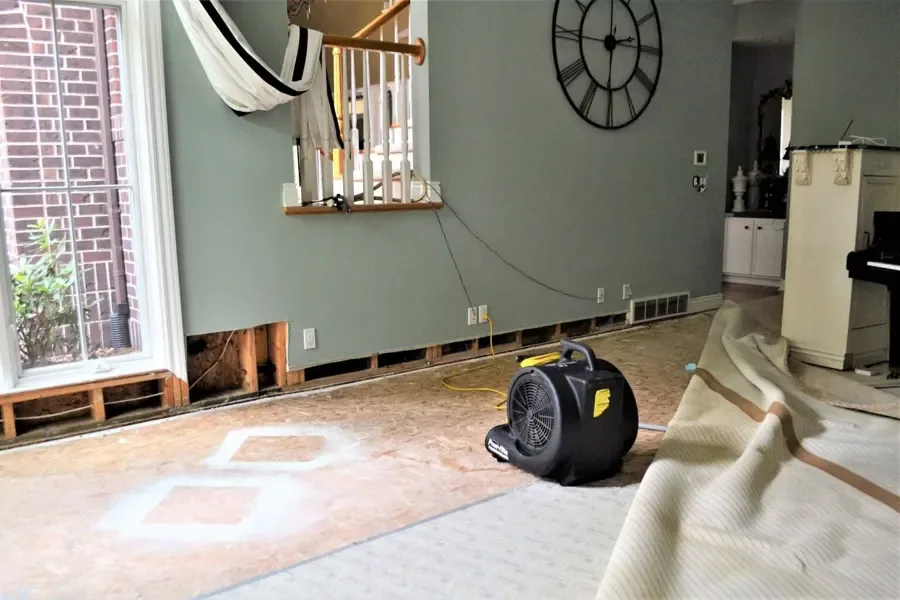
Heavy winter rain
Higher elevation gives the town more winter rain than surrounding areas, which tests roofs, gutters and lower doorways every season.
Saturated soil
When earlier storms have soaked the ground, new rain has nowhere to go and water finds garages, patios and the low sides of hillside lots.
Aging water mains
An EBMUD main break near Lafayette Reservoir Recreation Area flooded at least four garages in May 2016, a reminder that buried pipes age.
Hillside and flat lots
Homes range from ranch houses to larger estates on hillside and flatter lots, so water pools in different places depending on grade.
Shared walls and floors
In townhome and condo clusters, a single leaking appliance or pipe can reach a neighboring unit before anyone notices.
Private sewer laterals
Central San says owners are responsible for the whole sewer lateral from the house to its main, so many backups begin on private pipe.
Atmospheric rivers
The National Weather Service issued a flood advisory for the area on February 4, 2025, after earlier rain had already saturated the soil.
March 1, 2018
A Moraga Way water main break during heavy rain collapsed part of the road and sent water into the yards of six neighboring homes.
Water Damage Restoration Services in Orinda, CA
Every kind of residential and commercial water loss gets its own plan, from a single appliance leak to a flooded garage or a sewage backup.
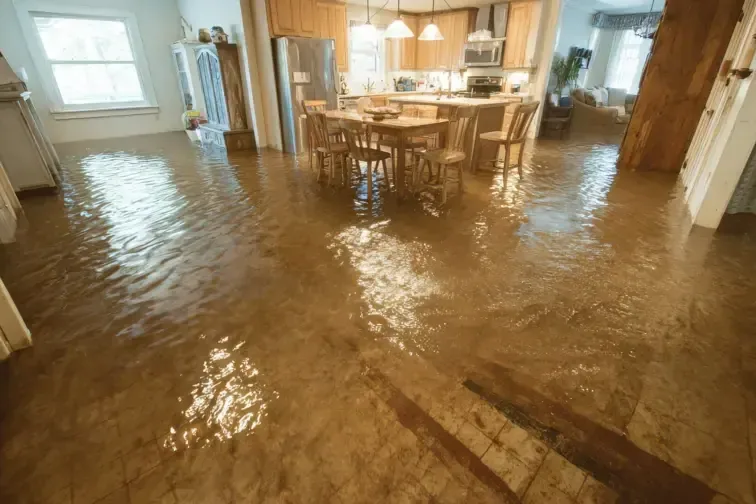
Water Extraction and Removal
Pumps, wet vacuums and truck-mounted gear remove standing water from floors, carpet and garages before it soaks into walls and subfloor.
See how it is handled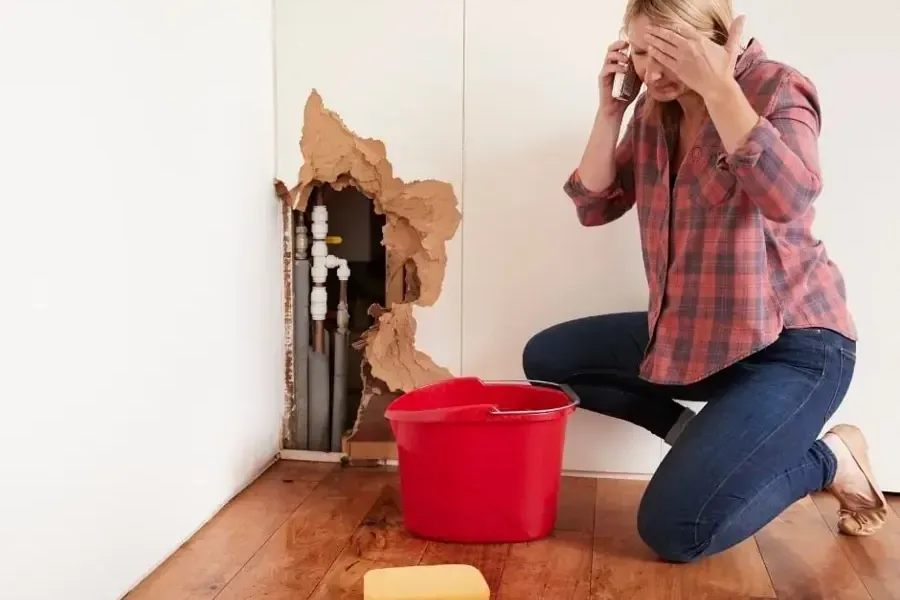
Burst Pipe Water Damage
A failed supply pipe is shut off, the wet wall is opened where needed, and soaked materials are dried before repairs begin.
See how it is handled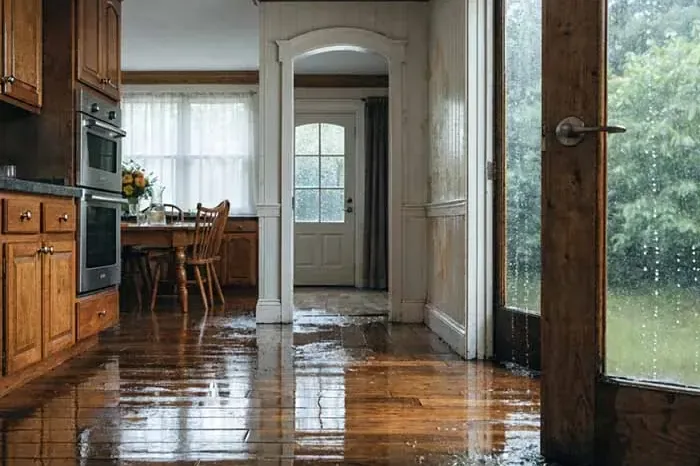
Slab Leak Water Damage
Leaks hidden under flooring show up as warm spots, damp baseboards or a rising water bill, and the wet layers are dried once the leak is stopped.
See how it is handled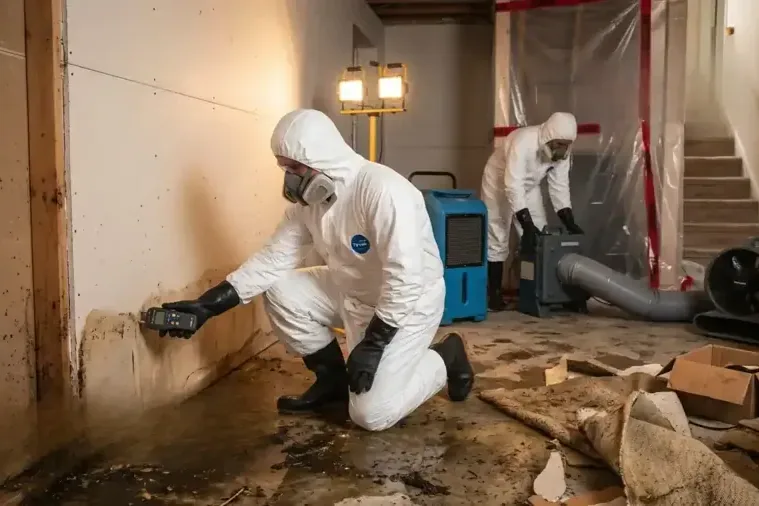
Sewage Backup Cleanup
Contaminated water is contained and removed, and affected materials are cleaned or discarded with protective gear and strict separation from clean rooms.
See how it is handled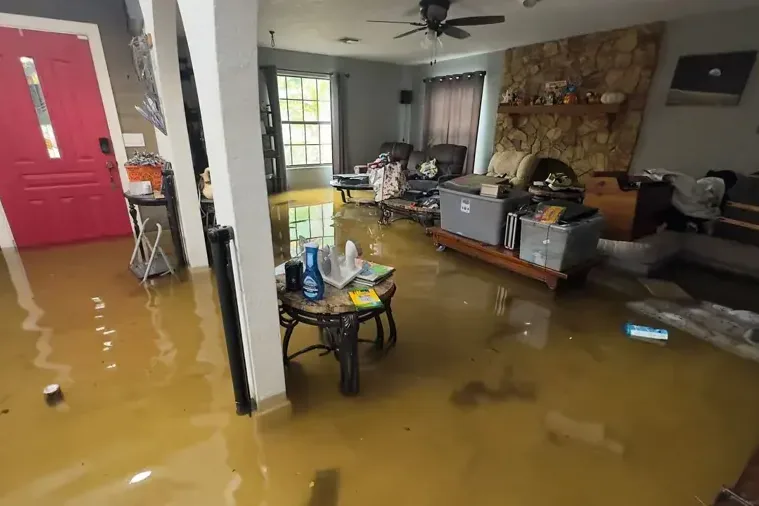
Storm and Flood Water Cleanup
Rain driven and rising water is pumped out of garages and lower levels, then the structure is dried and the damage is documented.
See how it is handled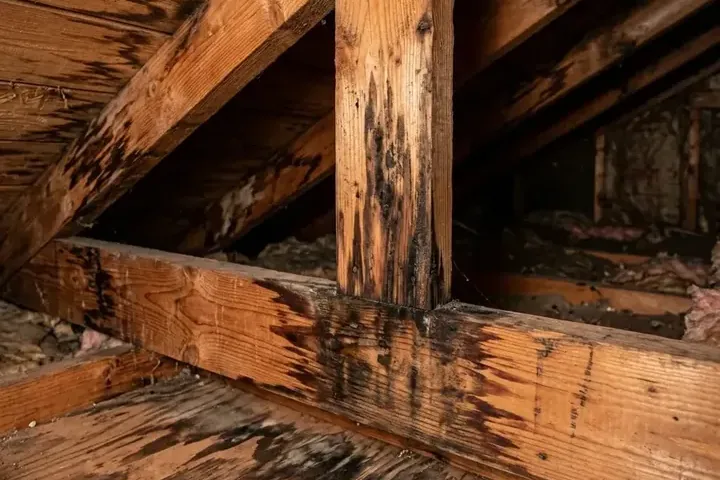
Roof Leak Water Damage
Wet insulation, stained decking and sagging ceilings are traced to the roof opening and dried after the leak is covered.
See how it is handled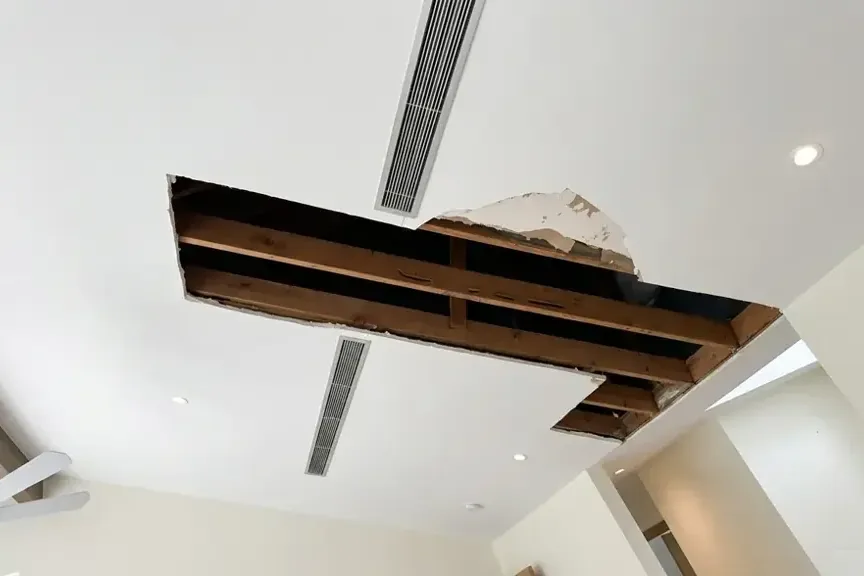
Ceiling Leak Water Damage
Drips and stains from above are traced to the roof or upstairs plumbing, and wet drywall and joists are opened and dried.
See how it is handled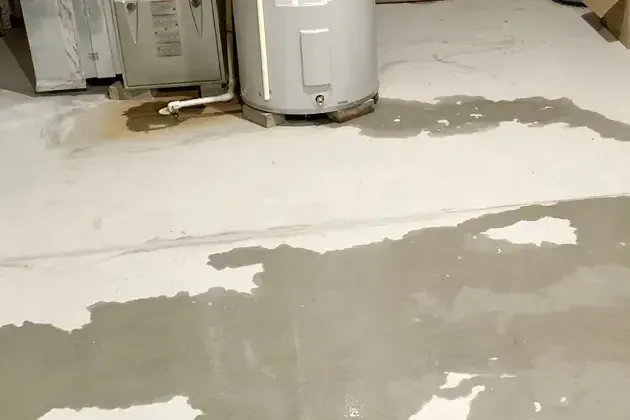
Water Heater Leak Cleanup
A failed tank or fitting can flood a closet, hallway or garage, so the crew removes the water and dries the floor and walls.
See how it is handled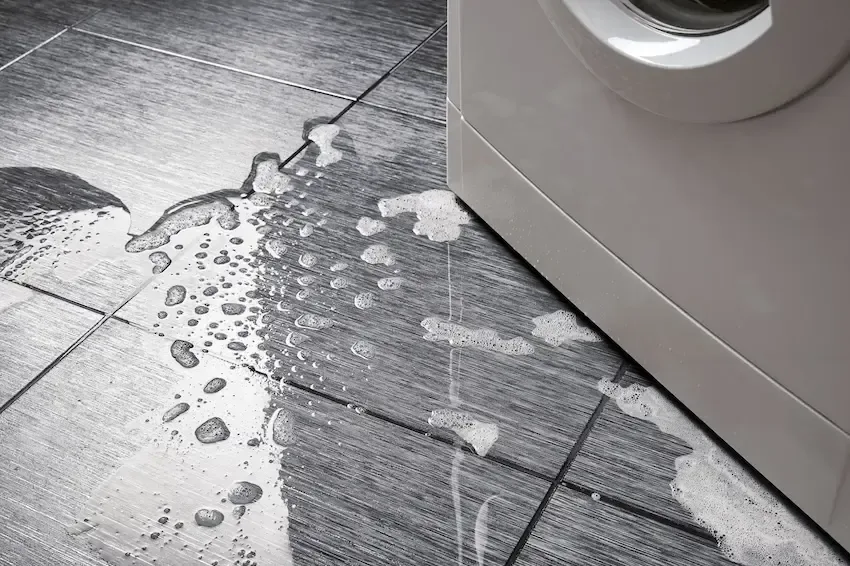
Appliance Leak Water Damage
Dishwashers, washing machines and refrigerator supply hoses leak into cabinets and floors, sometimes reaching the unit below.
See how it is handled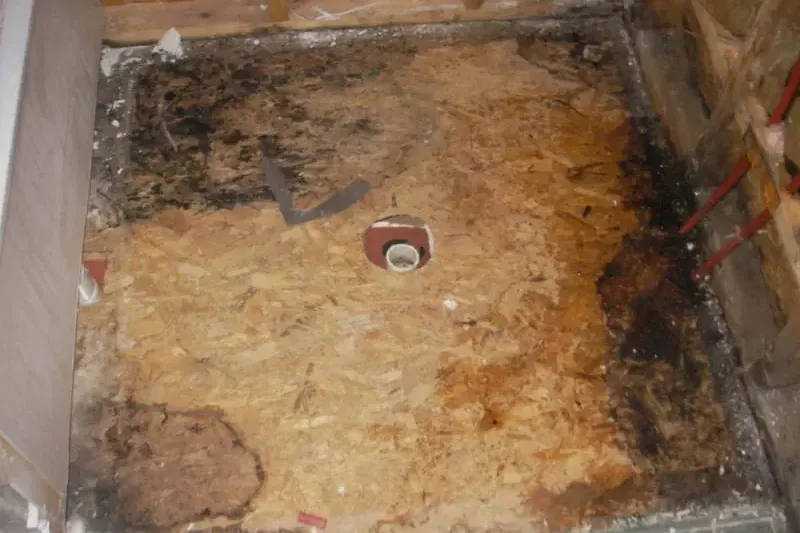
Toilet Overflow Cleanup
Overflow water is removed, the floor and subfloor are checked, and the affected rooms are sanitized and dried.
See how it is handled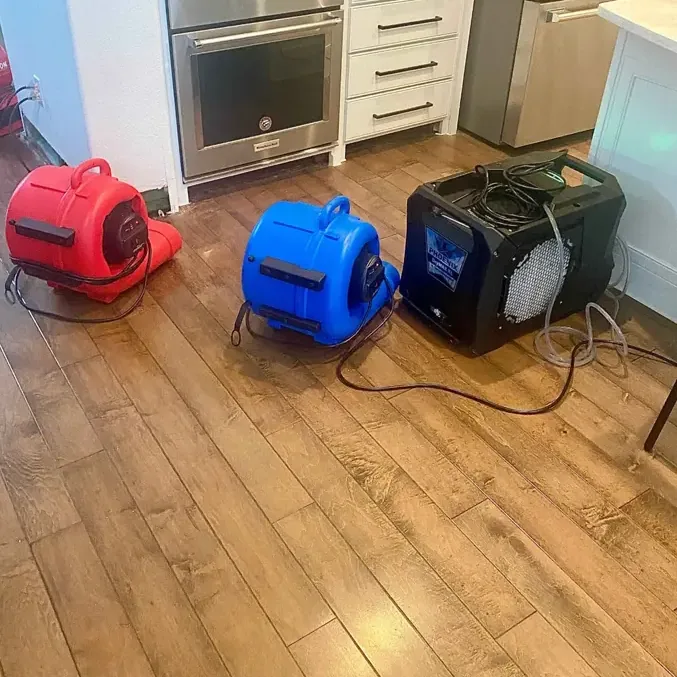
Structural Drying and Dehumidification
Air movers and dehumidifiers dry framing, subfloor and drywall until moisture readings reach the target set in the drying plan.
See how it is handled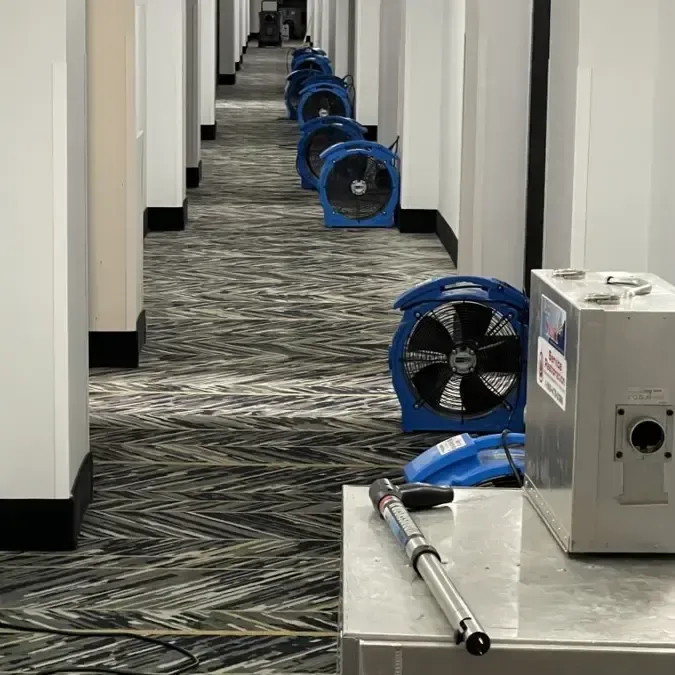
Commercial Water Damage
Shops, offices and buildings with several units get a response plan that limits downtime and keeps tenants informed.
See how it is handledWhat to do right after water appears
A few small actions in the first stretch protect your home and your claim while the crew gets started.
- 1
Stop the source
Shut off the main valve or the appliance supply, and switch off power to wet areas only if the panel is dry and safe to reach.
- 2
Photograph everything
Take wide and close photos of the water, damaged belongings and any visible source before anything is moved or thrown out.
- 3
Move valuables up
Lift small furniture, rugs and electronics onto dry surfaces, and leave heavy items where they are for the crew.
- 4
Keep vacuums away
Household vacuums are not built for standing water, so leave the pumping and wet vacuuming to trained equipment.
- 5
Call the crew
Describe the loss and the water source so the right extraction and drying gear is ready when the visit begins.
A plain plan before any work starts
The crew explains what is wet, what can be saved and what the dry-out will involve before anything is opened or removed.
(888) 774-9605Plan the dry-out with a proWhat a water damage dry-out looks like in Orinda
Assess
Moisture meters and thermal imaging show how far the water traveled beyond what is visible, including behind walls and under floors.
Extract
Pumps and vacuums pull standing water and soaked padding out of the structure.
Dry
Air movers and dehumidifiers run while readings are logged at each visit.
Clean
Surfaces are cleaned and treated, and materials that cannot be saved are removed and logged.
Restore
Final readings confirm dry materials, and repair scope notes go to your adjuster.
Neighborhoods and roads the crew covers
Water damage response across the hills, flats and townhome clusters of this East Bay town.
ZIP code
Describe your location and the water problem, and the dispatcher will confirm whether a local crew can cover it for you.
Neighborhoods and roads
Nearby towns
Not sure the crew reaches your street?
Hillside driveways, townhome parking areas and commercial lots are all part of the routine work.
☎ Confirm my addressWhat the work looks like on site
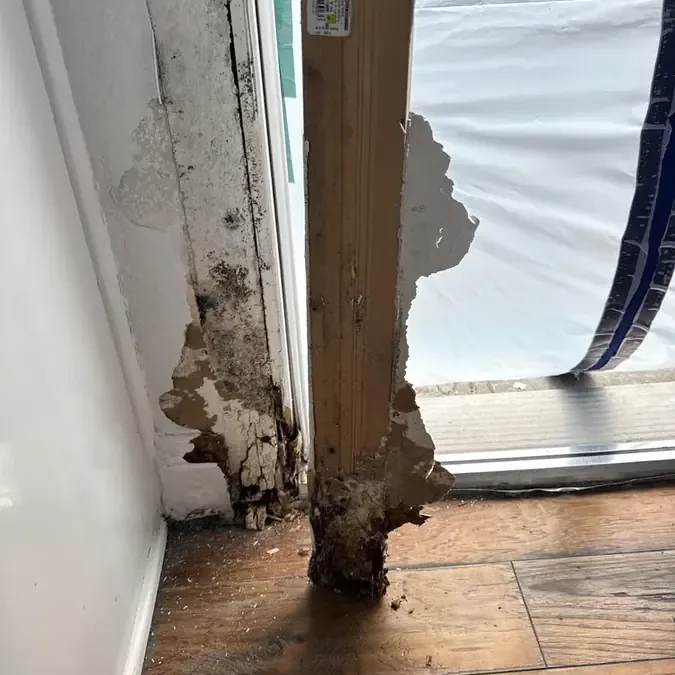
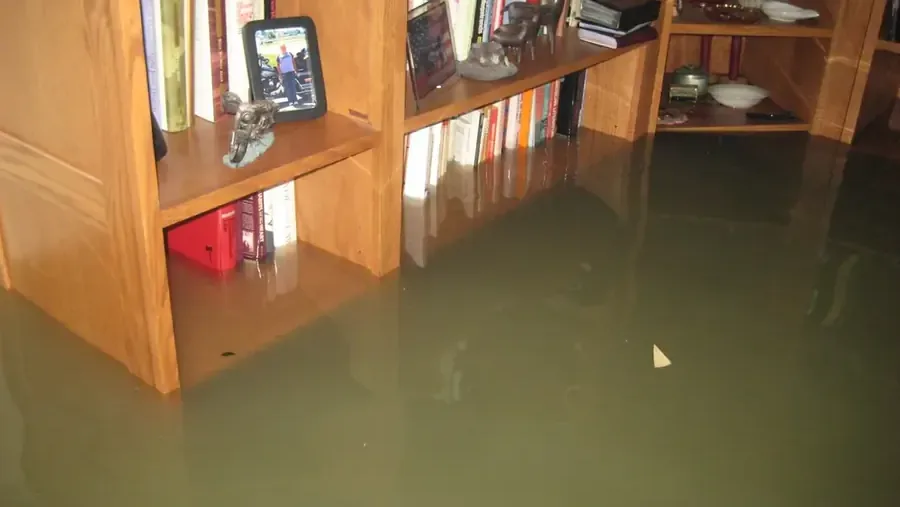
Real jobs from the restoration team, from the first leak to the final drying readings.
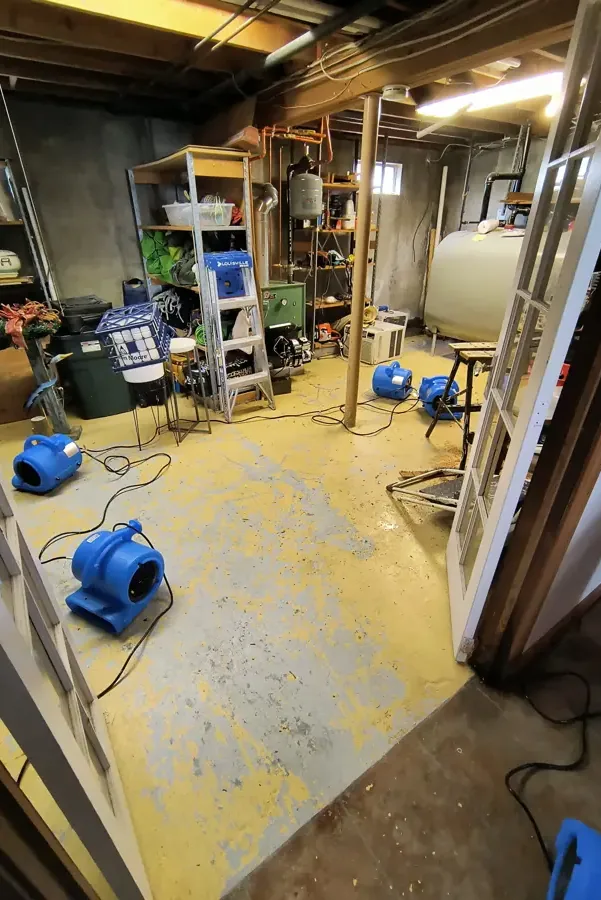
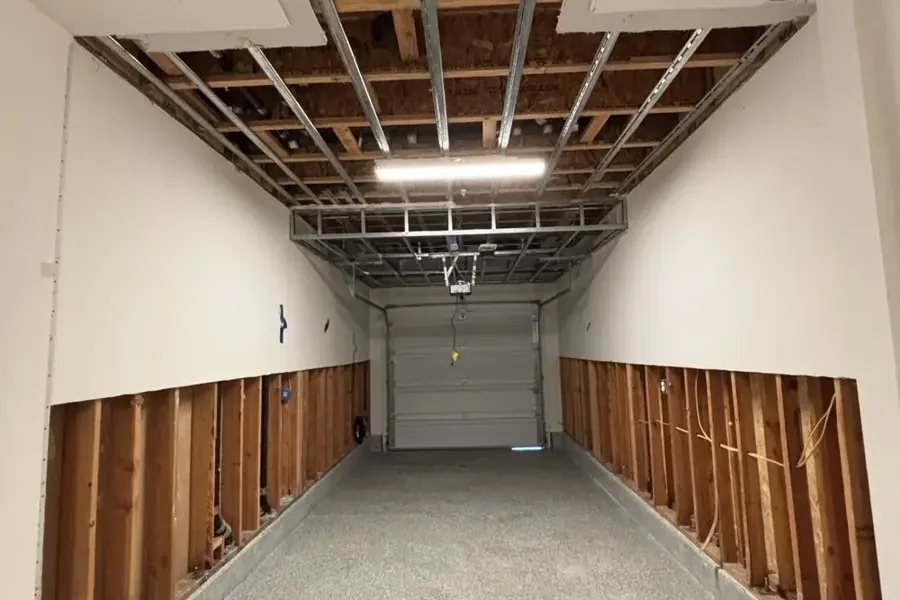
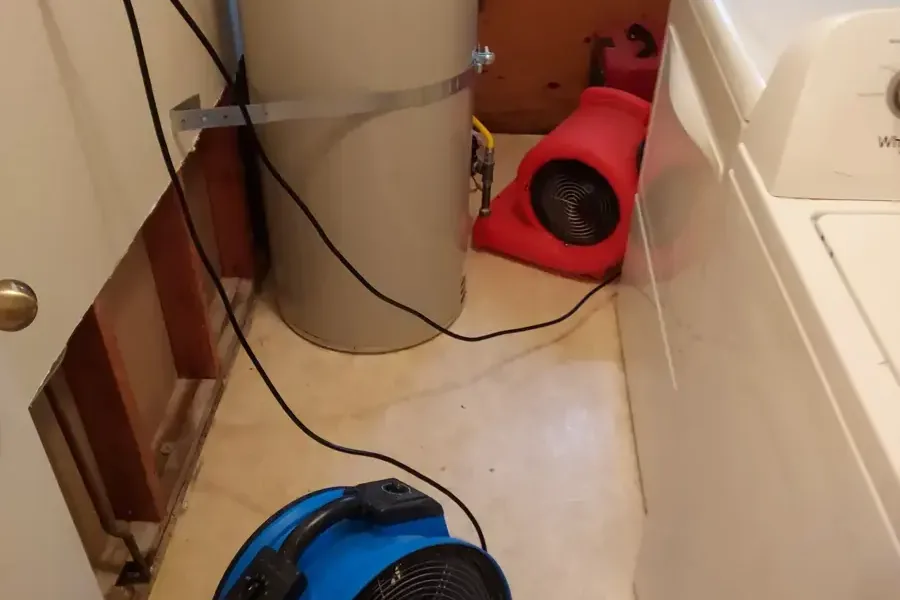
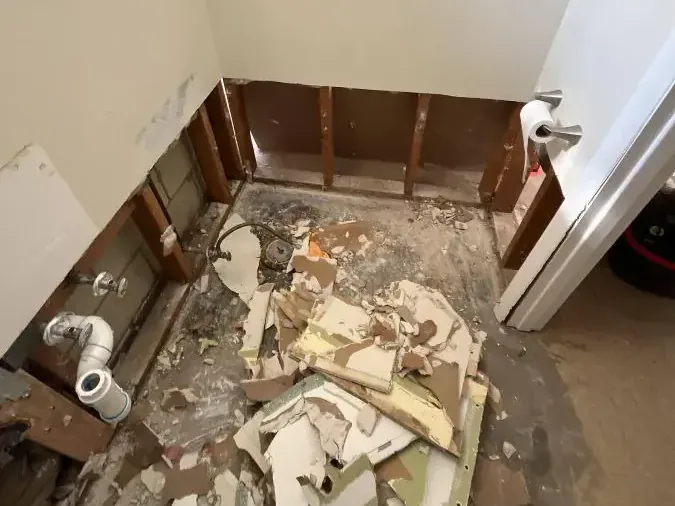
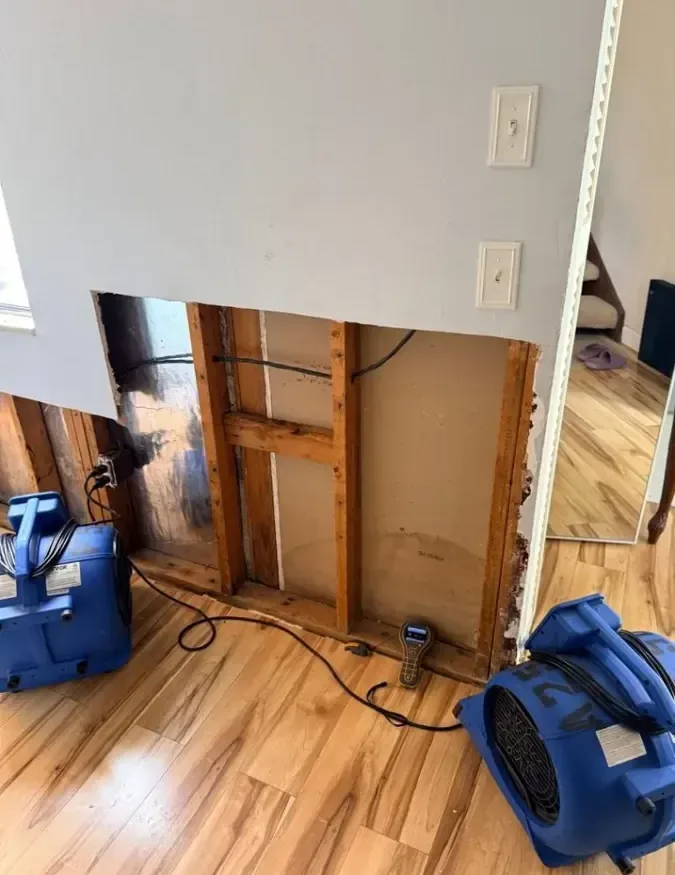
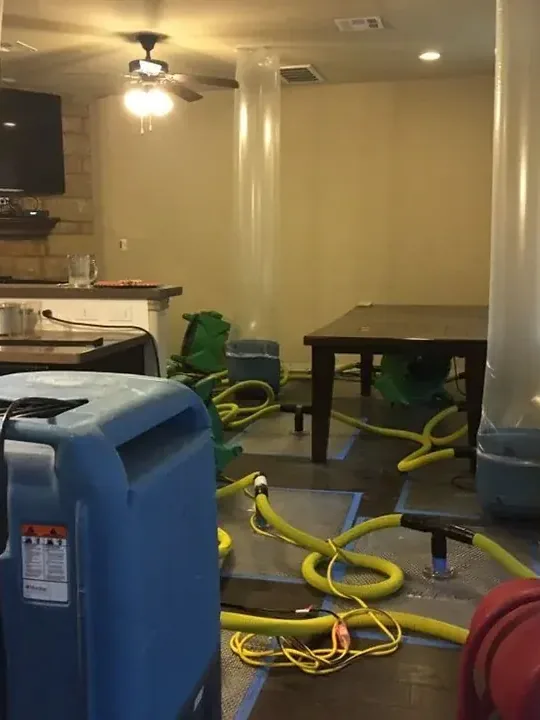
Water damage dried to the IICRC S500 standard
Classify the water
Water is sorted by source and contamination level before any equipment is chosen, because clean supply water and sewage need very different handling.
Place equipment by plan
Air movers and dehumidifiers go where the moisture map says they are needed, not where it happens to be convenient to plug them in.
Verify the dry point
Readings are compared with dry reference materials from the same home before any equipment is removed, so the finish is measured.
Rapid local response
Crews that know the hills, the driveways and the weather reach a wet home with the right equipment already loaded.
IICRC S500 drying standard
Every dry-out follows documented steps, with moisture readings that show the structure is dry.
Claim-ready documentation
Photos, moisture logs and equipment records are organized so an adjuster can follow the loss from start to finish.
Local water experts
The team handles burst pipes, sewage, storm water and appliance leaks in homes, townhomes and small businesses.
Why local crews matter
The IICRC S500 is the industry standard for professional water damage restoration. It sets how water is classified, how equipment is placed and how moisture is measured, so a dry-out ends with numbers instead of guesses.
All water damage categories covered in Orinda, CA
Clean water
Supply pipes, tank failures and rain through a roof start clean but turn worse the longer materials stay wet.
Water extraction ›Gray water
Dishwashers, washing machines and sink overflows carry soap and soil that call for careful cleaning.
Appliance leak help ›Black water
Sewage and floodwater carry contaminants, so containment and protective gear come first.
Sewage backup cleanup ›What does water damage restoration cost in Orinda, CA?
Most local jobs land between $1,000 and $25,000 in total, depending on how much water there is, how long it sat and how many rooms or units it reached.
Small and caught early
- One room affected
- Prompt extraction
- Short drying stay
Walls and flooring
- Several rooms wet
- Wall and floor drying
- Extra equipment days
Large or dirty water
- Sewage or storm water
- Garage or lower level
- Longer drying plan
These ranges are typical, not quotes. The real figure depends on the water type, the affected materials and what your policy covers.
Documentation for your insurance claim
A clean paper trail helps your adjuster understand the loss and move the review along faster.
- Dated photos of the damage and its source
- Moisture readings from each visit
- Lists of removed and discarded materials
- Equipment placement and run records
- A written drying summary at completion
Be ready for the adjuster
Keep damaged items until the adjuster has seen them or approved their disposal, and save every receipt for emergency repairs.
Policies differ on sudden leaks, sewer backups and storm water, so read your own terms and ask your carrier what is included.
Water damage questions
How fast should water be removed from a home?
As soon as it is safe to do so. Wet drywall, carpet padding and subfloor absorb water quickly, and every extra day of delay raises repair costs and the chance of mold growth behind the walls.
Why does this town see so many winter water problems?
Higher elevation brings more winter rain than surrounding areas, and once the ground is saturated, runoff heads toward garages, yards, low doorways and the lower floors of hillside homes.
Who is responsible for a sewer backup in Orinda?
Central San says each property owner is responsible for the entire sewer lateral from the house to its main sewer, and sewage backups should be reported to Central San as soon as they are found.
Can a neighboring unit cause water damage in my home?
Yes. In townhomes and condos, a leaking appliance or pipe next door can travel through shared walls and floors into your space, so tell building management early and document what you see.
Does the team handle commercial water damage?
Yes. The crew works in homes, shops and offices, with response plans built to limit downtime for staff, tenants and customers, and records that suit a commercial claim.
What happens to my belongings during a dry-out?
Items are sorted into salvageable and not salvageable, moved out of the wet rooms, cleaned where possible, and documented with photos and lists so your claim shows exactly what was affected.
How long does structural drying take?
It depends on the materials and the amount of water involved. Daily moisture readings decide when the equipment comes out, not a fixed schedule, and thick framing or flooring takes longer to release moisture.
Will my insurance cover the restoration?
Many policies cover sudden leaks, while flood and sewer backup often need added protection. See water extraction for what the records include. Your insurer can confirm what applies, and the crew supplies records that support the claim.
Is the team available at night?
Yes. Water loss does not keep office hours, so dispatch is open around the clock, including nights, weekends and holidays, and a pro can talk you through what to do first.
Water in the house? Get a local crew started on the dry-out
Describe the leak or flood and the dispatcher will arrange extraction and drying gear for your home or business in Orinda.
(888) 774-9605Get a crew moving