Structural Drying Orinda
Wet framing, drywall and subfloor keep holding water after the puddles are gone. Local water damage experts place air movers and dehumidifiers by the moisture map and log readings until the structure is dry.
(888) 774-9605Map out the drying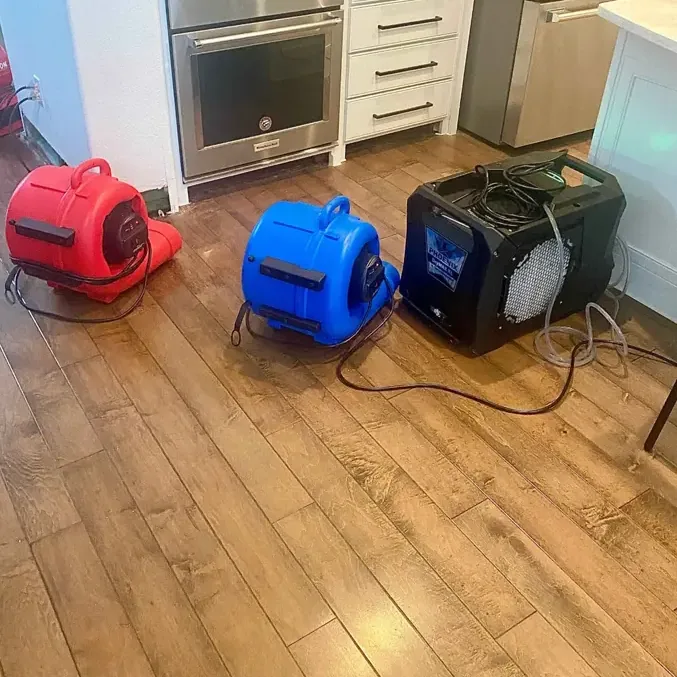
Once standing water is out, the real drying begins. Water hides in drywall, framing, insulation and subfloor, and it leaves slowly. Structural drying moves warm dry air across wet surfaces and pulls the moisture out of the air with dehumidifiers, until readings match dry reference points from the same home.
First steps for structural drying and dehumidification right now
- Map the moisture. Meters and thermal imaging show which surfaces are wet and how far the water traveled.
- Set the equipment. Air movers and dehumidifiers are placed by plan, and the area is sealed off.
- Read and adjust. Daily readings direct moving or removing equipment as materials dry.
- Confirm dry. Final readings match dry reference points before the gear is removed.
How structural drying and dehumidification is handled, start to finish
Call and plan
The dispatcher asks what got wet, for how long and how far it spread, so the right equipment loads onto the truck.
Map and place
The crew measures moisture, maps it and places air movers and dehumidifiers around the wet materials, closing off rooms where it helps.
Monitor daily
Readings are taken at each visit, and equipment is repositioned or removed as individual areas reach their dry targets.
Verify and close
Final readings confirm dry materials, and the equipment logs and photos go to your adjuster.
Why drying follows the materials
The area has hillside microclimates that change over short stretches, and wet winters. A drying plan here does not run on a fixed schedule. It follows the actual wet materials, and the crew adjusts the equipment from visit to visit.
- Drywall and plaster release moisture fastest
- Hardwood and subfloor take longer and can cup
- Framing and concrete hold water the longest
- Insulation traps water and often must be removed
Thicker or denser materials need longer, so a house with several wet layers often has several drying targets at once. A hardwood floor over a wet subfloor, for example, may read dry on top while the layer below is still holding water, which is why the crew measures more than the surface.
What the equipment does
Air movers sweep moisture off surfaces, and dehumidifiers collect it from the air. The crew sets the equipment by the moisture map and moves it as the readings change. Rooms are closed off so the dry air stays where it is needed, and doors, vents and plastic sheeting are used to keep the airflow aimed at the wet surfaces instead of the rest of the house.
- Air movers aimed at wet walls and floors
- Dehumidifiers sized to the room
- Drying mats or panels on hard floors
- Daily readings on each material
Equipment comes out only when readings reach the dry goal. The drying often follows water extraction, which removes the standing water first.
Why drying starts fast
Damp materials left for a day or two invite mold, so drying starts as soon as the water is out.
Wet framing keeps feeding damp air into the house. Call and a local dispatcher will explain the plan and send the drying team to your door.
☎ Call about dryingInsurance and drying records
Adjusters look for readings, equipment logs and photos. The crew records them at every visit, so the claim shows where the water was, which equipment ran and how dry the structure became. Ask your carrier which parts of the drying work your policy covers, and keep the final report with your claim file.
What does structural drying and dehumidification cost in Orinda, CA?
Drying one area with a modest class of water often costs $1,200 to $3,500, and more rooms, denser materials or several units push the cost higher.
Class 1 or 2, one area
- Light moisture
- Few days of equipment
- Single area
Class 3, several rooms
- Heavy moisture
- More equipment
- Wall and floor drying
Class 4 or several units
- Dense materials
- Specialty drying
- Longer documentation
Ranges are typical, not a quote: the category of water, square footage, material class and how fast drying started move the number most. Run the water damage cost calculator for a closer range.
What a real dry-out involves here
Rapid local response
Dispatch runs 24/7, and active water in a condo, loft or office is treated as urgent at any hour, with extraction gear sized to the building.
IICRC S500 drying standard
Structural drying, not just surface drying: air movers and LGR dehumidifiers run to the evaporation load and stay until readings say dry.
Claim-ready documentation
Moisture maps, daily psychrometric logs and timestamped photos taken before any demolition go into one file for the adjuster and the HOA.
Emeryville water experts
Stacked units, older industrial shells, fill near the bayshore and tidal storm drains: the local restoration pros read how water moves here.
Structural drying and dehumidification across Orinda and nearby cities
The drying team covers Sleepy Hollow, Glorietta, Del Rey, Ivy Drive, Wilder, Wagner Ranch, El Toyonal, Spring Oak and Lost Valley, from hillside homes to flat lots across Orinda and near Moraga Way.
The same service nearby: structural drying and dehumidification in Emeryville, Piedmont, Berkeley.
Related water damage services nearby
Structural Drying and Dehumidification questions in Orinda, CA
How long does structural drying take?
It depends on the materials and the amount of water. Daily readings decide when the work is done, not a calendar, and dense materials take longer to release moisture. The crew tells you after each visit what has been dried and what remains.
Why are the machines so loud?
Air movers and dehumidifiers run continuously to move moisture out of the structure, and the noise stops as soon as the readings show the materials are dry.
Can I turn the equipment off at night?
No. Interrupting the drying lets moisture settle back into the materials and slows the result, so the equipment stays on until the crew removes it.
Will my power bill go up?
It usually does while the equipment runs. Ask your insurer whether the added electricity use can be part of the claim, and keep your utility statements. Those records also show the equipment ran as long as it needed to.
What do the class numbers mean?
They describe how much water the materials took on and how fast it can evaporate, from light moisture in a small area to dense, deeply wet materials. Class one is light and class four is the heaviest.
Does everything dry in place?
Most structure does. Soaked insulation and padding usually come out, and anything that cannot reach its target is replaced rather than dried.
Can drying prevent mold?
Fast, thorough drying removes the damp conditions that mold needs, which is the main reason the work starts as soon as the standing water is gone. Thorough drying is not a replacement for removing materials that stayed soaked.
Materials still wet after cleanup?
Reach the dispatcher and the drying team will build a plan around the wet materials.
(888) 774-9605Build the drying plan