Water Extraction Orinda, CA
Heavy winter rain and aging water mains have sent water into local garages and yards before. The extraction crew removes standing water from floors, carpet and low rooms so drying can begin.
(888) 774-9605Get the water pumped out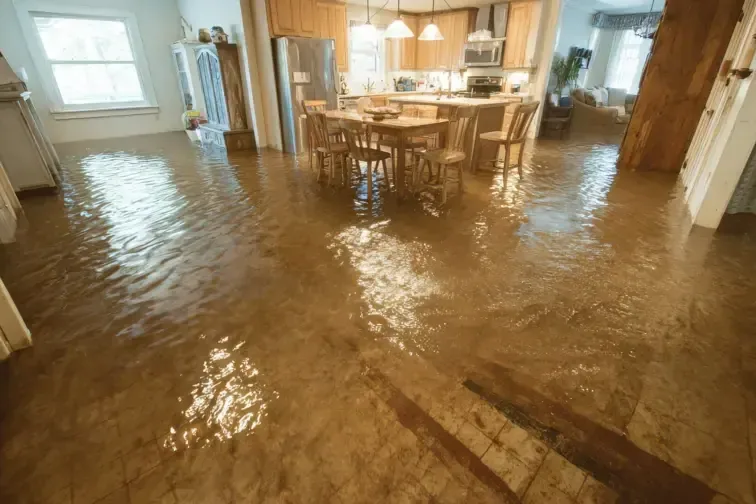
Water extraction is the first job after a flood, a burst pipe or a failed appliance. The longer water sits, the deeper it moves into drywall, baseboards and subfloor. Around town, wet winters and sloped lots send runoff toward garages and lower rooms, so the extraction crew starts by removing everything that can be pumped or vacuumed before any drying gear goes in.
First steps for water extraction and removal right now
- Shut off the source. The main valve, appliance supply or drain is closed so no more water arrives while the crew sets up the pumps.
- Pump out the depth. Submersible pumps clear deep water from garages and low rooms until only a thin film remains on the floor.
- Vacuum the floors. Truck mounted extraction pulls water from carpet and hard floors, and soaked padding is cut out for disposal.
- Map what is left. Moisture meters check walls and subfloor so the drying plan targets the right materials.
How water extraction and removal is handled, start to finish
Call and triage
The dispatcher asks what the water is, where it came from and how deep it stands so the right pumps, hoses and vacuums load onto the truck before it leaves.
Arrive and assess
The crew photographs the loss, checks for safe access and electrical hazards, and confirms the water type before any work starts.
Extract and remove
Standing water is pumped, floors are vacuumed, and padding or insulation that cannot dry in place is removed.
Hand off to drying
Moisture readings go in the file and the drying plan is built around the materials that stayed wet.
How water reaches local homes
Orinda often gets more winter rain than surrounding areas because of its higher elevation. On May 2, 2016, an EBMUD water main break flooded the garages of at least four homes, and on March 1, 2018 a Moraga Way main break sent water into six neighboring yards. Both mains were 12-inch cast iron pipe.
- Garages and driveways that catch hillside runoff
- Kitchens and bathrooms flooded by a supply or drain failure
- Lower levels and finished spaces with carpet and padding
- Yards and entryways where rain follows the grade toward the house
Each of these starts with a different water source, so the crew checks what the water is before choosing pumps, vacuums or protective gear. Clean supply water, rain runoff and sewage are handled in very different ways, and the choice affects what can be dried in place and what must come out.
What the extraction crew does
Standing water goes first, using submersible pumps for depth and wet vacuums for the thin film left behind. Carpet padding is usually lifted and discarded because it holds water like a sponge, while the carpet itself is often saved when the water is clean.
- Pumps remove deep water from garages and low rooms
- Truck mounted extraction pulls water from carpet and hard floors
- Wet padding and soaked insulation are cut out and bagged
- Moisture meters map the water that remains behind baseboards and under cabinets
Extraction does not finish the job. Water left in framing and subfloor keeps feeding damp air, so the same visit sets up the plan for structural drying and notes which materials are coming out.
Contaminated water rule
If the water came from a sewer or a flooded yard, nothing is vacuumed with household tools. Contaminated water needs containment and protective gear before the room is touched, and the cleanup follows the sewage steps instead.
Water on the floor right now? Call and a local dispatcher will walk you through shutting off the source and sending the extraction crew your way.
☎ Call for extraction helpInsurance and extraction records
Insurers want to see how much water there was and how quickly it came out. The crew photographs the water before pumping, logs the equipment used and keeps notes on removed padding, so the claim shows the full loss. A burst pipe and a flood are treated differently by most carriers, so confirm the terms of your own policy before you assume anything. Keep receipts for any emergency work, and save samples or photos of the materials that were removed so the adjuster can match them to the report.
What does water extraction and removal cost in Orinda, CA?
Extraction alone usually runs from $800 to $2,500 for a single room, and the figure climbs with water depth, the number of rooms reached and whether the water is clean or contaminated.
One room
- Single space affected
- Pump and vacuum only
- One short visit
A whole unit
- Several rooms wet
- Padding removal needed
- Moisture mapping
Several units or dirty water
- Shared floors involved
- Containment gear needed
- Longer response
Ranges are typical, not a quote: the category of water, square footage, material class and how fast drying started move the number most. Run the water damage cost calculator for a closer range.
What a real dry-out involves here
Rapid local response
Dispatch runs 24/7, and active water in a condo, loft or office is treated as urgent at any hour, with extraction gear sized to the building.
IICRC S500 drying standard
Structural drying, not just surface drying: air movers and LGR dehumidifiers run to the evaporation load and stay until readings say dry.
Claim-ready documentation
Moisture maps, daily psychrometric logs and timestamped photos taken before any demolition go into one file for the adjuster and the HOA.
Emeryville water experts
Stacked units, older industrial shells, fill near the bayshore and tidal storm drains: the local restoration pros read how water moves here.
Water extraction and removal across Orinda and nearby cities
Extraction crews cover Sleepy Hollow, Glorietta, Del Rey, Ivy Drive, Wilder, Wagner Ranch, El Toyonal, Spring Oak and Lost Valley, along with homes near Moraga Way and State Route 24 in Orinda.
The same service nearby: water extraction and removal in Emeryville, Piedmont, Berkeley.
Related water damage services nearby
Water Extraction and Removal questions in Orinda, CA
How soon does standing water need to come out?
As soon as possible. Drywall and padding wick water up quickly, so pumping early limits how much of the structure gets wet and how many materials must be removed later.
Can wet carpet be saved after extraction?
Often yes when the water was clean and extraction began early. Padding is usually replaced, and the carpet is either dried in place or lifted and dried on racks, depending on how far the water spread.
What is the difference between extraction and drying?
Extraction removes liquid water. Drying removes the moisture left in wood, drywall and concrete using air movers and dehumidifiers.
What should I do if a main break floods my garage?
Photograph the water and the damage, report the break to EBMUD, and call for extraction before the water settles into the walls and floor framing, since a garage fills quickly.
Is garage flooding covered by insurance?
It depends on the water source and your policy. Sudden pipe failures are often covered, while rising ground water frequently is not, so ask your insurer.
Should I run a shop vac myself?
Only for a small spill of clean water. Larger losses and any contaminated water need trained gear, because household vacuums can spread contamination and are not made for lasting water contact.
Does the crew work at night?
Yes. Dispatch is open around the clock, and extraction is time sensitive, so nights, weekends and holidays are part of the normal schedule for the crew.
Standing water in your home or garage?
Call the extraction crew with the depth, the room and the source, and they will outline the pumps, the vacuums and the first steps to take.
(888) 774-9605Schedule standing water help