Water Extraction in San Pablo, CA
Standing water spreads into baseboards, cabinets and subfloors quickly. The extraction crew removes it with pumps and extractors, then checks the structure for moisture that still sits behind the surface.
(888) 774-9605Send the crew to the flooded rooms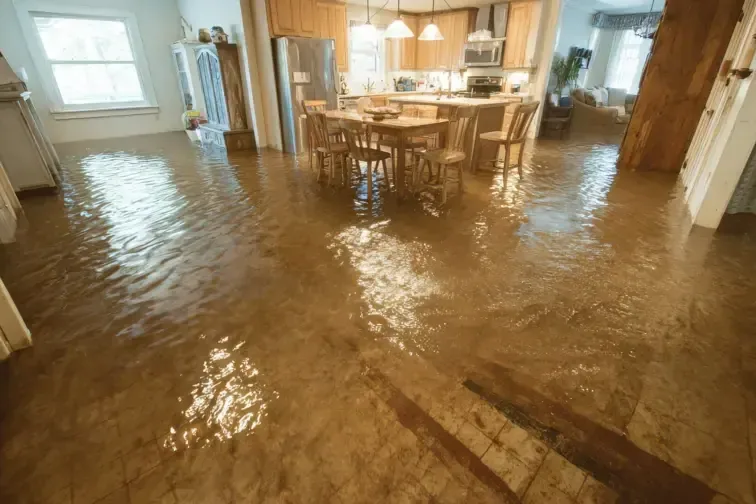
Water that sits on a floor rarely stays there. It wicks into baseboards, drywall, cabinet bases and carpet padding, and the longer it waits the bigger the repair becomes. In San Pablo, a wet winter storm and a sudden pipe failure both leave water on floors, and extraction is the step that removes the bulk of it so drying can start.
Speed matters because the first stage of damage is physical. Wood swells, paint blisters and drywall softens as it wicks, and each change adds to the repair list. Pulling the water out early keeps the loss in a smaller price bracket and shortens the drying that follows.
First steps for water extraction and removal right now
- Find the source. The crew locates and stops the source, or confirms it has been shut off, before any water is moved.
- Rate the water. The water category is recorded, which sets protective gear and whether materials can be saved.
- Remove the bulk. Pumps and extractors take out standing water, then carpet and flooring are worked until no loose water remains.
- Check what is left. Meters and a thermal camera find hidden moisture so the right drying equipment can be placed.
How water extraction and removal is handled, start to finish
Safety check on arrival
The crew checks for electrical hazards, confirms the water source is stopped and decides how to protect furniture and floors.
Water category and plan
The water is classified, the affected area is measured and a removal plan is set for each room before equipment is unloaded. The plan is explained before work starts.
Extraction work
Pumps, extractors and wands remove water from floors, carpet and low spots until readings stop showing standing water. Progress is checked room by room.
Handoff to drying
Wet padding and damaged materials are bagged out, then a drying plan is prepared for the remaining structure and its framing.
How the water gets removed
The crew identifies the source and the water category first, because the category decides which gear and protective steps are needed. Heavy removal follows, room by room, starting with the deepest water.
- Submersible pumps clear deeper water from garages and low rooms
- Weighted extractors pull water out of carpet and padding
- Floor wands lift standing water from tile and hardwood
- Moisture meters show what is still hidden in walls and subfloors
Padding often comes out because it holds water like a sponge, while the carpet itself can sometimes be lifted, cleaned and dried when the water was clean and the response was prompt.
What changes the extraction job
No two jobs run the same length. The amount of water and the materials it reached decide how much work follows.
- Depth of the water and size of the affected area
- Whether the water came from a clean source or a drain
- Flooring type, such as carpet, tile, laminate or wood
- How many rooms or units the water reached
Floodplains that FEMA maps along Wildcat Creek, San Pablo Creek and Rheem Creek make storm runoff a real concern, and about 90 percent of county rainfall arrives from November to April. Water that enters from outside is treated as contaminated until proven otherwise.
Rental units and apartments add another question: whose floor is wet and whose ceiling is below. Reporting the leak to the manager and documenting the water in each unit keeps responsibility clear while the crew works.
Check the padding
Carpet padding can stay wet under an intact carpet, so the surface looks fine while the layer below keeps the room damp. Ask the crew to test it with a meter, since a damp pad left in place can hold moisture for weeks and spoil the carpet above it.
Standing water in a room, a garage or a rental unit? Describe it to the crew and get the removal started with the right pumps, extractors and protective steps.
☎ Talk to the crewInsurance and extraction records
Adjusters want to see how much water entered, how long it stood and what was removed. The extraction crew photographs the wet area before and after, notes the water category and records moisture readings. Keep your own photos of damaged belongings, and read your policy for sudden discharge language before filing. A structural drying plan usually follows extraction, and the documentation covers both stages.
What does water extraction and removal cost in San Pablo, CA?
Extraction on its own usually runs from $800 for one room to $15,000 for several units or dirty water. The size of the area, the water category and the flooring type move the price most.
One room
- Clean water only
- One floor area
- Quick removal of water
A whole unit
- Several rooms wet
- Carpet and padding
- Drying follows next
Several units or dirty water
- Shared floors
- Sewage or storm water
- Materials removed
Ranges are typical, not a quote: the category of water, square footage, material class and how fast drying started move the number most. Run the water damage cost calculator for a closer range.
What a real dry-out involves here
Rapid local response
Dispatch runs 24/7, and active water in a condo, loft or office is treated as urgent at any hour, with extraction gear sized to the building.
IICRC S500 drying standard
Structural drying, not just surface drying: air movers and LGR dehumidifiers run to the evaporation load and stay until readings say dry.
Claim-ready documentation
Moisture maps, daily psychrometric logs and timestamped photos taken before any demolition go into one file for the adjuster and the HOA.
Emeryville water experts
Stacked units, older industrial shells, fill near the bayshore and tidal storm drains: the local restoration pros read how water moves here.
Water extraction and removal across San Pablo and nearby cities
Crews work across the city's neighborhoods, including the Civic Center area, the College Center area and Montalvin, as well as Tara Hills and Bayview, where homes use San Pablo mailing addresses and storm season brings steady rain.
The same service nearby: water extraction and removal in Emeryville, Berkeley, Tiburon.
Related water damage services nearby
Water Extraction and Removal questions in San Pablo, CA
How soon should extraction start?
As early as it is safe. Water moves into drywall and flooring fast, and delays raise both the repair size and the chance of mold. Shut off the source and call as soon as you see the problem.
What is the difference between extraction and drying?
Extraction removes liquid water with pumps and extractors. Drying uses air movers and dehumidifiers to pull out moisture that remains in framing, subfloors and walls after the visible water is gone.
Can wet carpet be saved?
Often, when the water was clean and extraction began quickly. The carpet is lifted, the padding is usually replaced and the carpet is cleaned and dried. Contaminated water changes that decision.
Does storm water count as dirty water?
Yes. Water that comes in from outside carries soil and bacteria, so it is treated as contaminated, and porous materials soaked by it are more likely to be removed than saved.
How does the crew know when all the water is out?
Moisture meters and a thermal camera show wet areas the eye cannot see. The crew keeps checking until readings in floors and lower walls move toward normal levels.
Is a single wet room worth calling for?
Yes. One room can still hide water under flooring or inside a wall, and a small job is far cheaper to dry than one that has spread. The price cards show the range.
What should be moved before the crew arrives?
Lift small furniture, rugs and electronics out of the water if it is safe, and photograph the damage first. Leave heavy furniture where it is and keep clear of standing water near outlets.
Water on the floor right now?
Tell the response team where the water is, how deep it is and what it touched, and the extraction plan starts from there.
(888) 774-9605Get an extraction plan