Water Extraction Tiburon, CA
Heavy rain, a failed pipe or an overflow can leave standing water across floors in Tiburon. The extraction crew removes it with pumps and vacuums, then checks what stayed wet underneath.
(888) 774-9605Get standing water removed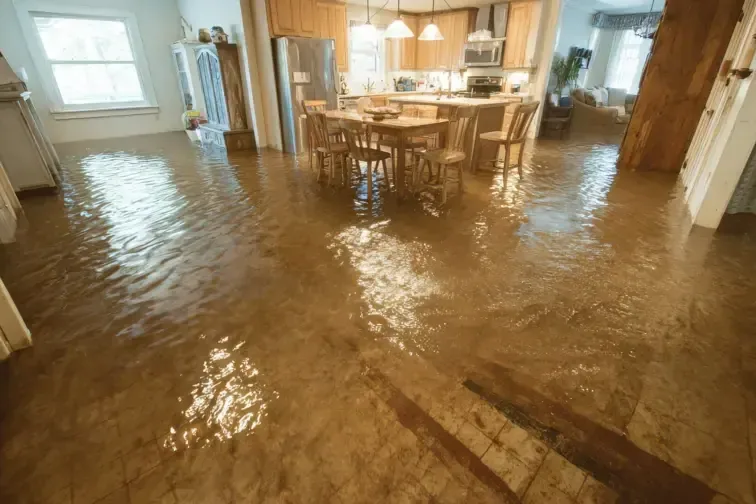
Standing water is the first problem in most losses, and it gets harder to manage the longer it sits. In November 2024 an atmospheric river dropped more than 4.5 inches of rain on the Tiburon Peninsula over several days, the kind of storm that can push water into entries, garages and lower floors. A failed pipe or an overflow does the same on a quieter day, and extraction pulls the water out before it wicks into drywall and wood. Quick removal keeps the loss smaller and the dry-out shorter.
First steps for water extraction and removal right now
- Stop and survey. The crew confirms the water has stopped, marks how far it spread and sorts it by category before any pump starts.
- Pump and vacuum. Standing water comes out with pumps, then wand and truck mounted vacuums lift what remains in carpet and pad.
- Remove what cannot dry. Saturated pad, baseboards and loose flooring are cut out or lifted so the structure can release moisture.
- Hand off to drying. Moisture readings map the damp areas, and the drying team sets air movers and dehumidifiers where they are needed.
How water extraction and removal is handled, start to finish
Walk the loss
The crew checks the source, tests which materials are wet and decides how the water will leave the home safely. Photos are taken first.
Extract the water
Pumps and vacuums remove the standing water room by room, starting with the areas where it is deepest. Wand tools reach corners.
Clear the wet materials
Pad, loose flooring and soaked trim are removed or lifted so air can reach the subfloor and wall bases. Contents are moved to dry ground.
Pass to drying
Readings are recorded and drying equipment is placed, with a plan for returning to check progress. The drying plan is explained.
How the extraction crew removes water
The work starts with a walk through to see where the water went and what it carries. Clean supply water, gray appliance water and sewage each call for a different handling plan, and that call is made before any pump starts. Photos are taken of the water level before pumping starts.
- Submersible pumps clear deep pooled water from floors, entries and garages
- Wand vacuums lift water out of carpet, pad and hard flooring in each room
- Truck mounted units move large volumes without tying up the home's power supply
- Moisture meters trace water that spread behind baseboards and under cabinets
Carpet pad that cannot be saved is cut out and discarded, while hardwood and tile are often kept when water comes off quickly. Furniture and contents are moved to dry ground before equipment is staged, so nothing sits in the wet.
What gets checked after extraction
Taking out the visible water does not finish the job, because moisture hides in framing, insulation and subfloors long after the surface looks fine. Hidden pockets of water often sit under cabinets and in corners.
- Baseboards and the lower edge of the drywall
- Insulation inside exterior and interior walls
- Subfloor seams beneath vinyl, laminate and tile
- Cabinet bases and built in furniture
Readings from these spots decide where flood cuts are needed and how many air movers go in. The work then moves into structural drying, where fans and dehumidifiers bring the framing and subfloor back to a measured dry goal. Equipment is placed to match the wet area.
Treat storm water with care
Water that came in from outside can carry soil and bacteria, so the crew handles it as contaminated and does not keep soaked porous materials such as pad and insulation. Gloves and boots are worn.
Water covering a floor keeps soaking drywall and wood. Call and describe what happened so the crew can bring the right pumps and vacuums and plan the work.
☎ Call about the waterInsurance records for water removal
Photos taken before extraction, the water category and the first moisture readings help an adjuster see the full scope of the loss. The crew keeps those records with the daily drying log so the claim file stays organized. Policies treat sudden leaks, storm water and sewage differently, so questions about a particular cause go to the insurer. The same water extraction process is used across the wider service area. The total amount of water removed is noted as well.
What does water extraction and removal cost in Tiburon, CA?
Extraction alone usually runs from $800 to $2,500 for one room and climbs with the area and the water category. Dirty water or several units move the job toward the top of the typical range.
One room
- One affected room
- Clean supply water
- Pump and vacuum
A whole unit
- Several rooms wet
- Pad and baseboard removal
- Longer drying plan
Several units or dirty water
- Gray or black water
- Multiple units reached
- Containment and disposal
Ranges are typical, not a quote: the category of water, square footage, material class and how fast drying started move the number most. Run the water damage cost calculator for a closer range.
What a real dry-out involves here
Rapid local response
Dispatch runs 24/7, and active water in a condo, loft or office is treated as urgent at any hour, with extraction gear sized to the building.
IICRC S500 drying standard
Structural drying, not just surface drying: air movers and LGR dehumidifiers run to the evaporation load and stay until readings say dry.
Claim-ready documentation
Moisture maps, daily psychrometric logs and timestamped photos taken before any demolition go into one file for the adjuster and the HOA.
Emeryville water experts
Stacked units, older industrial shells, fill near the bayshore and tidal storm drains: the local restoration pros read how water moves here.
Water extraction and removal across Tiburon and nearby cities
The extraction crew works across Old Tiburon, Point Tiburon, Bel Aire, Belveron Gardens, Hawthorne Terrace, Del Mar, Reed Heights, Reedland Woods, Strawberry and Paradise Cay, plus homes along Richardson Bay and the town's main roads.
The same service nearby: water extraction and removal in Emeryville, San Pablo, Berkeley.
Related water damage services nearby
Water Extraction and Removal questions in Tiburon, CA
How quickly does standing water need to come out?
As soon as possible. Wet drywall, wood and insulation can start to support mold in the first day or two, and every extra hour of soaking raises the amount that must be removed.
Can wet carpet be saved after a pipe leak?
Often yes when the water is clean and removed early. Extraction and quick drying can save the carpet, though the pad usually has to be replaced, and dirty water ends that option.
Does storm water change how it is removed?
Yes. Water from outside is treated as contaminated, so the crew uses protective gear, bags soaked materials and cleans and disinfects the floor after the water is gone.
What does the town recommend before a big storm?
The town sets out sand and sandbags at the Blackie's Pasture and Teather Park parking lots, and it advises clearing ditches, drains and gutters so water flows away from the structure.
Who gets told about drainage failure or flooding?
Residents report drainage failure and significant flooding to the Tiburon Police Department, and the AlertMarin system sends the town's emergency notifications.
Is extraction the same as drying?
No. Extraction removes liquid water, while structural drying removes the moisture left inside framing and subfloors using air movers and dehumidifiers.
What should be moved before the crew starts?
Small furniture, rugs, papers and electronics should go to dry ground if it is safe. Heavy pieces can stay, and the crew blocks or lifts them so they do not stain.
Get the water out and the drying started
Describe the leak or storm damage by phone and the extraction crew will plan pumps, vacuums and drying gear for the home.
(888) 774-9605Reach the extraction crew