Storm and Flood Water Cleanup in San Pablo, CA
Creek overflow and heavy winter rain can send water into garages, ground floors and lower levels. The crew extracts the floodwater, removes what it ruined and dries the structure.
(888) 774-9605Tell the crew about the flooding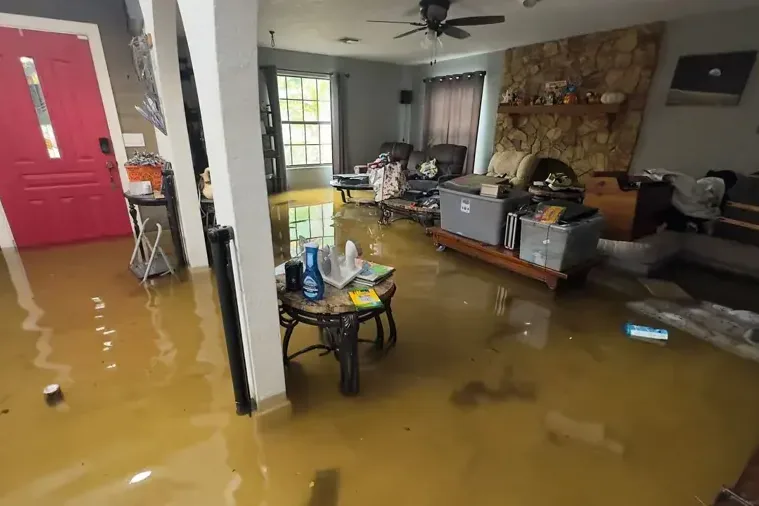
Flooding differs from a pipe leak because the water arrives from outside carrying soil, debris and bacteria. FEMA maps Special Flood Hazard Areas in Zone A, Zone AE and Zone AO along San Pablo Creek, Wildcat Creek and Rheem Creek, and about 90 percent of county rainfall falls between November and April. Rising creeks and clogged drains turn those months into the busiest season for flood cleanup.
First steps for storm and flood water cleanup right now
- Make the area safe. Power is shut off to wet rooms and the crew checks for debris, depth and contaminated water.
- Pump and extract. Floodwater is pumped out, then extractors remove what remains in carpet and low spots.
- Remove and clean. Soaked porous materials are discarded and hard surfaces are cleaned and disinfected.
- Dry the structure. Air movers and dehumidifiers run until framing and floors reach dry readings.
How storm and flood water cleanup is handled, start to finish
Site safety
The crew checks for electrical hazards, standing depth and debris, then sets up pumps and protective barriers. Photos are taken before any work starts.
Floodwater removal
Pumps clear deep water first, and extractors work the floor surfaces until no standing water remains.
Removal and cleaning
Soaked carpet, pad and drywall are cut out, and framing and hard surfaces are cleaned and disinfected. Mud and silt are washed away.
Structural drying
Air movers and dehumidifiers dry the remaining structure while the team logs readings and photographs the job.
What the cleanup covers
Floodwater is treated as contaminated, so the plan assumes protective steps and careful disposal of soaked porous materials, even when the water looks clear.
- Pumping and extraction of storm and creek water
- Removal of soaked carpet, padding and damaged drywall
- Cleaning and disinfecting of floors and framing
- Air movers and dehumidifiers to dry the structure
Garages, lower levels and ground floor rooms are hit first, and items stored on the floor are often lost. Photograph belongings before they are moved or discarded.
Rain, runoff and floodplain basics
Rain that enters through a roof is a separate loss from water that rises from the ground or a creek, and policies often treat them differently. The city monitors a Wildcat Creek gauge at Vale Road, and its last FEMA flood map release was in 2015.
- Zone A, Zone AE and Zone AO mark Special Flood Hazard Areas
- A federally regulated lender can require flood insurance in them
- The 500-year floodplains extend beyond the 100-year edge
- Properties outside mapped zones can still take on water
Regional storms such as the historic atmospheric river of October 24-25, 2021 and the string of storms from late December 2022 to mid January 2023 are reminders that long soaking rain reaches the whole Bay Area.
Mud and silt left behind after the water drops can hold contaminants against walls and floors, so cleaning continues after extraction.
Check flood coverage
Standard homeowners policies usually exclude flood, so ask your insurer about a separate flood policy before the next wet season.
Rain or creek water inside the house or garage? Describe the depth and the rooms affected, and the crew will start the cleanup plan.
☎ Describe the floodingInsurance and flood claims
Document how high the water rose on the walls, the damaged belongings and the date the water arrived. The crew's photos, moisture readings and discard lists help your insurer or flood program adjuster. Follow-up work is covered under structural drying and water extraction.
What does storm and flood water cleanup cost in San Pablo, CA?
Storm and flood cleanup runs from $2,500 for shallow water in one space to $40,000 for a garage or several units. The depth of the water and the number of rooms and levels reached decide where a job lands.
Shallow water, one space
- Shallow depth only
- One area wet
- Surface cleaning
Lower level or unit
- Whole floor wet
- Materials removed
- Longer drying
Garage or several units
- Deep water
- Many rooms
- Extended drying
Ranges are typical, not a quote: the category of water, square footage, material class and how fast drying started move the number most. Run the water damage cost calculator for a closer range.
What a real dry-out involves here
Rapid local response
Dispatch runs 24/7, and active water in a condo, loft or office is treated as urgent at any hour, with extraction gear sized to the building.
IICRC S500 drying standard
Structural drying, not just surface drying: air movers and LGR dehumidifiers run to the evaporation load and stay until readings say dry.
Claim-ready documentation
Moisture maps, daily psychrometric logs and timestamped photos taken before any demolition go into one file for the adjuster and the HOA.
Emeryville water experts
Stacked units, older industrial shells, fill near the bayshore and tidal storm drains: the local restoration pros read how water moves here.
Storm and flood water cleanup across San Pablo and nearby cities
Storm work covers areas near Wildcat Creek, San Pablo Creek and Rheem Creek, plus Tara Hills, Bayview, Montalvin and the Civic Center and College Center neighborhoods across the city. The crew serves each of those areas.
The same service nearby: storm and flood water cleanup in Emeryville, Berkeley, Tiburon.
Related water damage services nearby
Storm and Flood Water Cleanup questions in San Pablo, CA
Is floodwater considered contaminated?
Yes. It picks up soil, fuel, bacteria and sewage as it moves, so it is handled as contaminated and soaked porous materials are generally removed.
Does homeowners insurance cover flood damage?
Standard homeowners policies usually exclude flood. A separate flood policy is needed, and a federally regulated lender can require one in a Special Flood Hazard Area.
How do I know if my home is in a floodplain?
FEMA flood maps show floodplains along Wildcat Creek, San Pablo Creek and Rheem Creek, including Zone A, Zone AE and Zone AO areas. Your lender, insurer or city can confirm an address.
Can I start cleaning before the crew arrives?
Only if it is safe. Avoid standing water near power, wear boots and gloves, and photograph everything first. Heavy removal and disinfecting are best left to the crew.
What should be thrown away after a flood?
Soaked carpet, padding, insulation, mattresses and upholstered items usually cannot be made safe. Photograph and list them for your adjuster before they are discarded.
How long does drying take after flooding?
Often several days, and longer if water reached framing and insulation. The crew's moisture readings, not the calendar, show when the equipment can leave.
Does the rainy season change the plan?
It matters. About 90 percent of county rain falls between November and April, so describe the water depth and the rooms affected early to speed up the plan.
Storm water in the house?
Tell the response team what the water touched, and the cleanup and drying plan comes together from there.
(888) 774-9605Begin the flood recovery