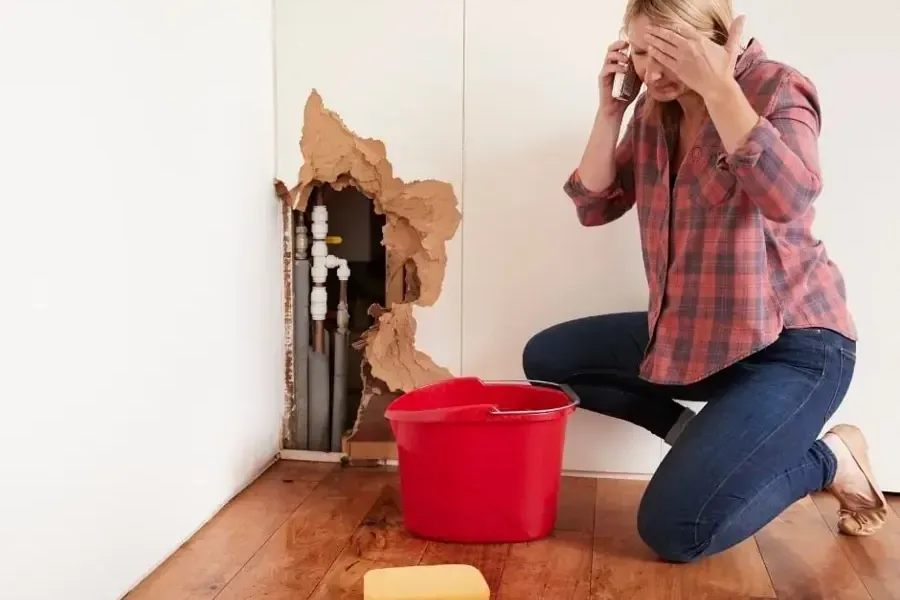
When a pipe bursts, water moves faster than most people expect and keeps flowing until someone closes a valve. Older neighborhoods have plenty of aging plumbing and utility pipes, and the Berkeley area has seen its share of water main trouble. This article gives the first steps, the records worth keeping and the drying work that follows.
Key takeaways
- Close the main shutoff first, then open a low faucet to drain what remains in the pipes.
- Turn off electricity to wet rooms from the breaker panel, not from a wet floor.
- EBMUD has described older distribution pipes in the flat areas as brittle, so age is a real factor.
- Water inside a wall keeps spreading, so extraction and opening the cavity matter more than surface wiping.
- Plumbing repairs regulated by city codes need a permit filed with a city department.
Why older pipes matter
In August 2020, EBMUD crews repaired an estimated 15 main breaks across Berkeley, Emeryville and Oakland in a single day. The utility described the broken distribution pipes in the flat areas as brittle and older.
An EBMUD spokeswoman also said that when water pipes are several decades old, they become more susceptible to leaks, breaks and corrosion.
Those were street mains, not the pipes inside a house, so inside plumbing deserves a general approach. Still, the same idea holds: age and pressure changes make failures more likely.
Pressure matters too. EBMUD crews repaired several breaks in the flat areas after pressure was applied too quickly, which is a reminder that a system under stress shows its weakest spots.
For a homeowner the lesson is simple. Know where the shutoff is, and treat any sudden loss of pressure or a hammering sound as a warning.
The first steps when a pipe bursts
Speed matters because each minute adds water to floors, walls and the rooms below. Work through these steps in order and skip nothing.
Do not use hot water or electric appliances until the area has been checked. Water that has reached outlets or a panel is dangerous.
Take pictures from several angles before moving anything. Insurers and landlords often ask for before and after images.
- Close the main shutoff valve, usually where the water supply enters the building.
- Open a faucet at the lowest level to drain the pipes and ease pressure.
- Switch off power to wet rooms at the breaker panel if the floor around it is dry.
- Move furniture, rugs and electronics out of the wet area.
- Photograph the damage before cleanup begins.
Houses, rear units and apartments
Most neighborhoods are made up mainly of detached houses, often with separate rear units in the rear. Larger apartment buildings are also common, and the densest blocks surround the University of California campus.
Where water goes depends on the building type, and so does who needs to be told.
Detached houses and rear units
A burst pipe in a main house can run toward a rear unit, or the reverse, when the two share a service. Check both buildings before deciding the problem is small.
The burst pipe water damage page for the area explains how a team follows the wet path.
Apartment buildings
In a multi unit building, close the unit shutoff and alert the manager so the units below can be checked. Water extraction in lower floors often starts as soon as the source is stopped.
How the wall and floor get dried
Once the flow stops, the next job is removal. Water extraction pulls standing water from floors, and moisture readings show where water went inside walls.
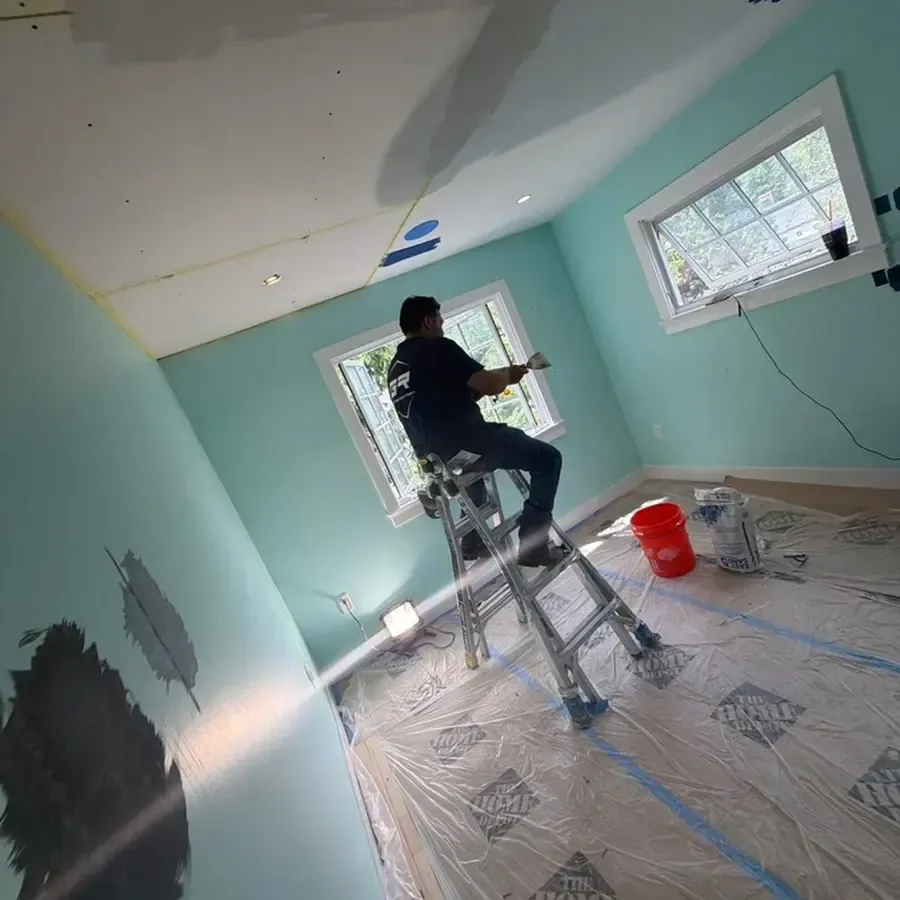
Baseboards come off and small openings are cut in drywall so air can reach the cavity. Wet insulation is removed because it holds water against framing.
Drying equipment runs while the team measures progress. Damp materials left in place can turn into a mold problem, so the goal is to finish drying before that window closes.
The extraction stage matters most in the first hours, because carpet, padding and wood floors soak up water quickly. Wood that stays wet can cup or buckle.
Thicker materials, such as plaster and old wood trim, hold water longer than they appear to. Meter readings tell the team how long to keep going.
- Extraction of standing water
- Moisture mapping of walls, floors and ceilings
- Opening of wet drywall and removal of soaked insulation
- Air movement and dehumidification until readings normalize
Permits and repairs
Plumbing and electrical work regulated by city codes requires permits filed with a city department. The City of Berkeley lets owners make an appointment at the Permit Service Center, schedule an inspection or apply for a permit online.
Drying usually comes before rebuilding, since repairs sealed over wet framing cause trouble later. A plumber handles the pipe itself, and the restoration team coordinates timing so the walls are not closed too early.
If the burst pipe was in a wall, the wall may be opened to reach the break. The drying team works around the plumber so the repair and the drying do not slow each other down.
Keep receipts and notes for the repair. They are part of the record if a claim is filed.
Questions to ask before work starts
Ask what the plan is for each wet room and how the team will show that drying is finished. The local service hub lists what each type of job covers.
Ask how the work is recorded, since written readings help when a claim is filed.
Also ask whether a street main or a private pipe is the cause. That decides who is responsible for the repair and whether the utility needs to be told.
Ask the team to show you the moisture readings at the start and the end. Numbers on paper make it easy to see that the job is complete.
Also ask about the order of work. Drying generally comes first, then the plumber makes repairs, and then walls and floors are rebuilt.
Preventing the next burst pipe
Not every burst can be prevented, but a few checks catch many problems before they grow. Winter freezing is not the issue in this area, so the focus is age, pressure and wear.
Anyone who has had one failure should look at the rest of the plumbing, since pipes installed at the same time tend to wear out together.
- Look for green or white crust at fittings, a sign of slow leaks.
- Notice rising water bills with no change in use.
- Listen for hammering when valves close.
- Replace worn flexible hoses under sinks and behind appliances.
- Test the main shutoff once a year so it does not seize.
Questions
Where is the main water shutoff in most homes?
It is usually near where the water supply enters the building, often by the street side or in a utility area. Locate it before an emergency.
Should I shut off electricity after a burst pipe?
Turn off power to wet rooms from the breaker panel, and only if you can reach it without standing in water.
How do I know if the pipe that burst was a street main?
A main break shows up as water in the street or no water at all. Burst pipes inside a home usually show as wet walls, floors or ceilings.
Can I let the walls dry on their own?
Surfaces may feel dry, but water in cavities stays behind. Moisture readings are the way to know.
Do I need a permit to repair the pipe?
Plumbing work regulated by city codes requires a permit. The Permit Service Center explains the steps.
Does a city main break mean my home pipes are at risk?
Not directly, since street mains and home pipes are separate. A main break can still cause pressure changes, so watch for new leaks.