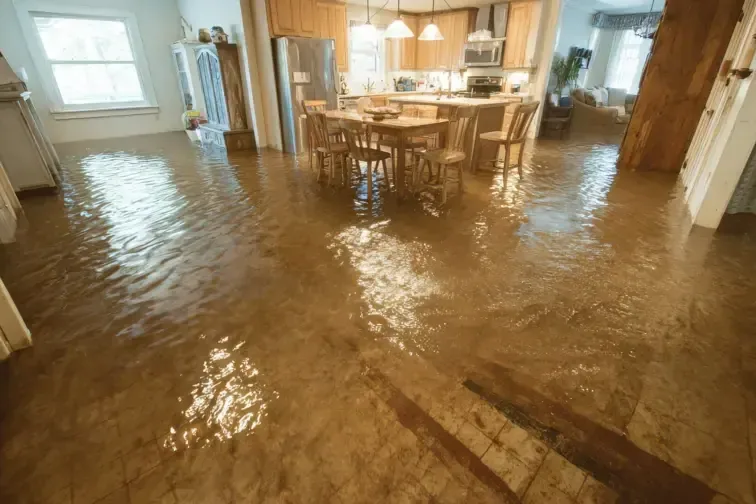
Most homeowners never think about the pipes buried under the street until one of them fails. In Piedmont, where much of the housing dates from the 1920s and 1930s, the utility pipes underneath are old as well. This article looks at documented main breaks nearby, what they mean for the property next door and how extraction should be started quickly.
Key takeaways
- A 12.5 inch cast iron main installed in 1933 cracked under Sunnyside Avenue in early December 2018.
- EBMUD said in 2015 that its cast iron pipes average 80 years of age and that two to three mains break on a given day across its district.
- A main break can send water toward yards, garages and low rooms, so check them even if the house looks dry.
- Standing water should be extracted quickly, since wet floors and walls keep absorbing it.
- Once the water is stopped, drying and a record of the damage matter more than where the break started.
What happened on Sunnyside Avenue
In early December 2018, a 12.5 inch cast iron water main installed in 1933 cracked under Sunnyside Avenue. The failure left 23 residential customers without water on a Sunday night.
EBMUD crews replaced a 14 foot section of the cracked main in one day. The repair was fast, but the water that escaped before the shutoff still had to go somewhere.
The incident shows how local a main break is. One cracked pipe affected a small group of homes, and the street, the yards and nearby properties all felt the effects.
Repair crews work on the main itself. What happens inside private property is up to the owner.
- Pipe: cast iron main, installed in 1933
- Result: 23 homes without water overnight
- Repair: a 14 foot section replaced within a day
A second break near the city border
On August 20, 2015, an 82 year old 12 inch cast iron main broke near the Piedmont border at Santa Clara and Oakland avenues in Oakland and flooded streets.
That same year EBMUD said the average age of its cast iron pipes is 80 years, and that two to three mains break on a given day across its district. Aging buried pipes are a normal part of life in an older city, not a rare event.
Where main break water goes
A broken main under pressure sends water up through the soil and across the surface. It follows slopes, driveways and walkways toward the lowest point.
On a hillside street the water can reach a house from above. Check these places even if the front door is dry.
A homeowner can also look at how the property drains. If the yard slopes toward the house, a street break will push water that way, and a short berm of soil or sandbags can help in advance.
Neighbors often share the same slope, so a quick check on the people next door is sensible after a break.
- Garages and storage rooms at street level
- Lower floors or any room below the grade of the street
- Yards that drain toward the house
- Window wells and door thresholds
- Utility closets housing a water heater or panel
What to do when water reaches the property
Safety comes first. Keep people away from electrical panels, outlets and appliances in wet rooms, and leave the power off until a professional says it is safe.
Water that came from a street main is usually clean at first, but it picks up soil, dust and residue on the way in. Treat it as dirty if it has crossed yards or floors.
Then start removal. The water extraction crew pulls standing water from floors with pumps and wet vacuums, and speed matters because flooring and walls begin absorbing right away.
If water is still coming in, a sandbag, towels or plastic sheeting can slow it, but never at the cost of safety. Do not stand in moving water or wade through a flooded yard near electrical equipment.
Once the utility has stopped the flow, the water on the property can be pulled out without more arriving.
Steps for the first stretch
- Photograph the street, the waterline and every affected room
- Move belongings off wet floors onto tables or plastic
- Lift rugs and drapes that touch the water
- Note the time the water arrived and how long it stood
Steps for the utility
The utility will shut off and repair its own main, but the water already inside a property is the owner's concern. Keep the repair crew's information if it is offered, since it helps with later claim questions.
Drying after extraction
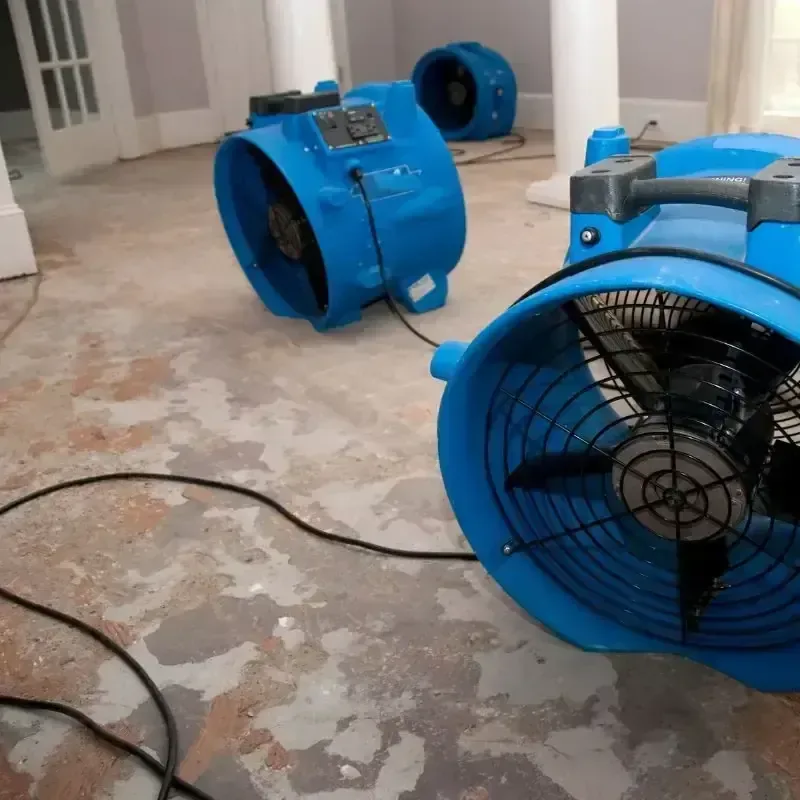
Removing standing water is only the first half. Wood floors, baseboards, drywall and cabinets hold moisture long after the surface looks fine.
The drying team takes moisture readings at floors and wall bases, then places air movers and dehumidifiers where readings are highest. Wet baseboards may be removed so the wall bottoms can breathe.
If a burst pipe inside the house is also involved, the burst pipe water damage service covers cavity work in walls and ceilings. Drying is complete only when the readings match normal levels for each material.
Hardwood and engineered floors are particularly sensitive. Extraction and drying should start early so planks do not cup, and the team may use mats that pull moisture up from the boards.
Cabinet bases, built in shelves and the lower edge of walls are other places where water hides.
Why older houses and older pipes matter together
Piedmont was developed significantly in the 1920s and 1930s. Mansions from the 1920s still stand on Sea View Avenue, and many larger houses from those decades are still lived in.
A big older house can have long stretches of wall and floor between rooms, so water that gets in at one corner may spread farther than it appears. That is a reason to measure rather than guess.
Nothing here says what the interior plumbing of any house is made of. The point is only that buried utility pipes and older homes both reward quick action.
Large rooms with high ceilings and long hallways take more equipment and more time to dry than a small bedroom. The size of the wet area, not just its depth, decides the plan.
Wood floors often sit over subfloor boards, and both layers can hold moisture. The drying team measures each layer separately.
Keeping records for later
A dated photo set, a list of damaged items and the time of the break are the three records that matter most. Add notes about who was contacted and when.
The Piedmont hub page links the service pages that apply once the water is out and drying is underway.
Questions
How old are the cast iron mains in the area?
EBMUD said in 2015 that the average age of its cast iron pipes is 80 years. The Sunnyside Avenue main that cracked in 2018 was installed in 1933.
Is main break water clean?
It starts clean, but it often picks up dirt and residue crossing yards and floors, so treat it with care.
Should I wait for the utility before removing water?
The utility repairs its main. Water inside your property should be removed quickly since materials keep absorbing it.
Which parts of a house are hit first by a street main break?
Garages, lower rooms, thresholds and any space that slopes toward the street are the likeliest.
How do I know drying is finished?
The team compares moisture readings in floors and walls with normal levels. Surfaces feeling dry is not enough.
Does the utility pay for damage inside my home?
That depends on the circumstances and the utility's claim process. Keep records and ask the utility how to file.