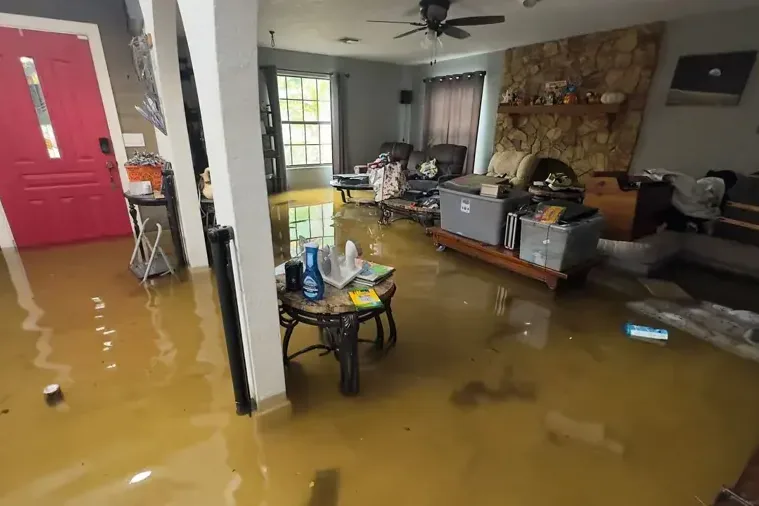
A flood map is easy to ignore until water is in the living room. The city sits on a sedimentary plain between the northern end of the Berkeley Hills and San Pablo Bay, and several creeks cross the city. This article explains the map labels, the creeks and the cleanup steps when storm water gets inside.
Key takeaways
- Wildcat Creek and San Pablo Creek are the two principal creeks, and Rheem Creek is a smaller one on the west side.
- Special Flood Hazard Areas are labeled Zone A, Zone AE and Zone AO.
- Flood insurance is mandatory in a Special Flood Hazard Area when a federally regulated lender holds the mortgage.
- About 90 percent of rainfall in Contra Costa County falls from November to April.
- Storm water that enters a house is contaminated and should be removed and dried with care.
The creeks that cross the city
San Pablo is an enclave city in Contra Costa County, covering 2.6 square miles. Wildcat Creek and San Pablo Creek are the two principal creeks that cross it, and both start in the mountains to the southeast.
Rheem Creek is a smaller creek that also runs through the city. The city's limits do not reach the bayshore, so the flooding concerns are the creeks and rain runoff.
Local service pages cover each type of cleanup.
The city also reports a Wildcat Creek gauge at Vale Road, which shows that creek levels are watched. Residents can use local alerts, but they cannot replace a plan of their own.
- Wildcat Creek, with a city monitored gauge at Vale Road
- San Pablo Creek
- Rheem Creek on the west side of the city
Reading the flood map labels
FEMA 100 year floodplains run mainly along San Pablo Creek and Wildcat Creek and along Rheem Creek on the west side. The 500 year floodplains extend beyond the edges of the 100 year floodplain.
Special Flood Hazard Areas are labeled Zone A, Zone AE and Zone AO. The city's last flood map release was in 2015, so an owner should check the current map for a specific address rather than rely on memory.
The map is a planning tool, not a promise. Water can reach a house through a blocked drain or a roof leak even when the address is outside any labeled zone.
When buying or renting, ask whether the property has ever taken water and whether the owner has any records of past repairs.
What the labels tell an owner
- They show areas the map treats as having a higher flood risk.
- They affect lender requirements.
- They do not promise that a street inside or outside a zone will stay dry or flood.
Flood insurance and lenders
Flood insurance is mandatory in a Special Flood Hazard Area when a federally regulated lender holds the mortgage. Owners without such a lender can still ask an insurance professional how coverage works.
When flooding is most likely
About 90 percent of rainfall in Contra Costa County falls from November to April, so flooding usually happens in those months. Long periods of rain can saturate soil and leave nowhere for runoff to go.
Storm drains that fill with leaves and debris make street flooding worse. Clearing the gutter in front of a house before the season starts is a small task that helps.
The city is a dense urban place with about 12,243.5 people per square mile, so a flooded street usually means several homes are affected at once. Neighbors can share information and help each other move belongings.
Atmospheric rivers bring long periods of rain. The National Weather Service lists a series of Bay Area atmospheric rivers from late December 2022 to mid January 2023, a reminder that storms can come back to back.
Why storm water is treated as contaminated
Water that has run across streets, yards and drains carries dirt, oil, bacteria and debris. When it enters a house, it is handled as contaminated, which is different from a clean supply leak.
That affects the work, which is why storm and flood cleanup is treated apart from a pipe leak. Carpet and padding that soaked up the water usually come out, and hard surfaces are cleaned and treated before drying.
Salvage is a case by case decision. Solid wood furniture and hard items can often be cleaned, while upholstery, mattresses and particleboard that soaked up storm water are usually discarded.
Photograph items before they are removed so there is a record of what was lost.
- Wear boots and gloves in wet areas.
- Keep children and pets out of the affected rooms.
- Do not run fans or the heating system until the area is assessed.
- Photograph the waterline before cleanup begins.
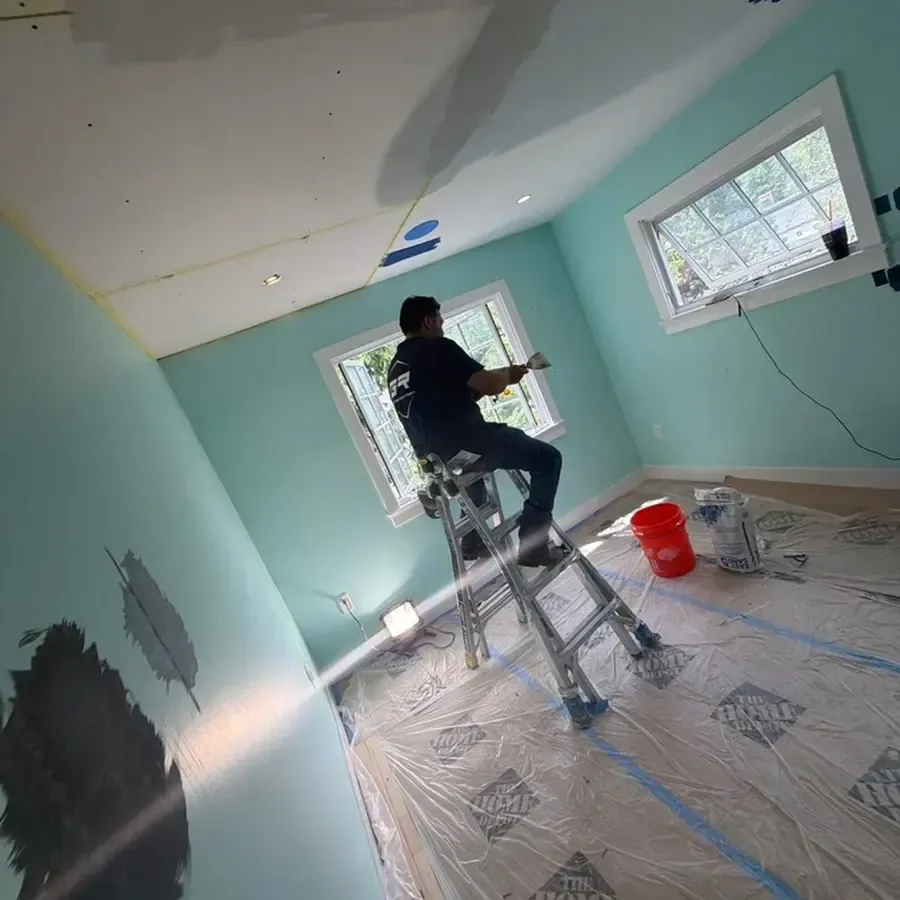
How the cleanup works
Storm and flood cleanup starts with extraction. Pumps move deep water, and wet vacuums remove what is left on floors.
The water extraction page explains the method for different depths.
Next, wet materials are sorted into those that can be cleaned and dried and those that must go. Floors and wall bases are cleaned and treated, then dried with air movers and dehumidifiers.
Moisture readings direct the whole process. The job ends when each material returns to a normal level.
Contaminated water also affects the air in a home. The team uses fans to move air out and keeps the rest of the house closed off until the work is done.
Getting ready before the rainy season
A Green Stormwater Spine along the main avenue is a project of seven East Bay cities with Caltrans that uses bioswales, rain gardens and permeable pavement to handle runoff. Public projects help the street, but each home still needs its own preparation.
Simple steps cut the risk of water entering a house.
The city also runs a College Center on El Portal Drive with a library, a childcare facility and a career center, and the San Pablo Library sits at Church Street and San Pablo Avenue. These public places can be useful for finding official notices during a storm.
- Clear leaves from gutters, downspouts and nearby drains
- Keep soil sloped away from walls
- Store valuables off floors in low rooms
- Save the contact details for a cleanup team before they are needed
Questions
How do I know if my home is in a flood zone?
Check the current FEMA map for your address. Special Flood Hazard Areas are labeled Zone A, Zone AE and Zone AO.
Is flood insurance required?
It is mandatory in a Special Flood Hazard Area when a federally regulated lender holds the mortgage.
When does most flooding happen here?
About 90 percent of rainfall in the county falls from November to April, so flooding usually happens in those months.
Can I dry storm water damage with fans alone?
Fans do not remove contamination. Storm water needs cleaning and treatment as well as drying.
What does a cleanup team remove first?
Standing water comes out first, then wet porous materials that cannot be cleaned.
Does a flood map change over time?
Yes. The city's last flood map release was in 2015, so check the current map for any address.
Why is storm water treated differently from a pipe leak?
It carries dirt and bacteria from streets and yards, while a supply pipe leak starts with clean water.